GE Vernova Gas Turbine Backlog Shows AI Data Centers Still Need Firm Power
GE Vernova said its gas turbine order book is full through 2029, with Microsoft, xAI and OpenAI-linked data-center projects showing how AI capacity plans are moving closer to firm power supply.
GE Vernova Links AI Data Centers To Firm Power
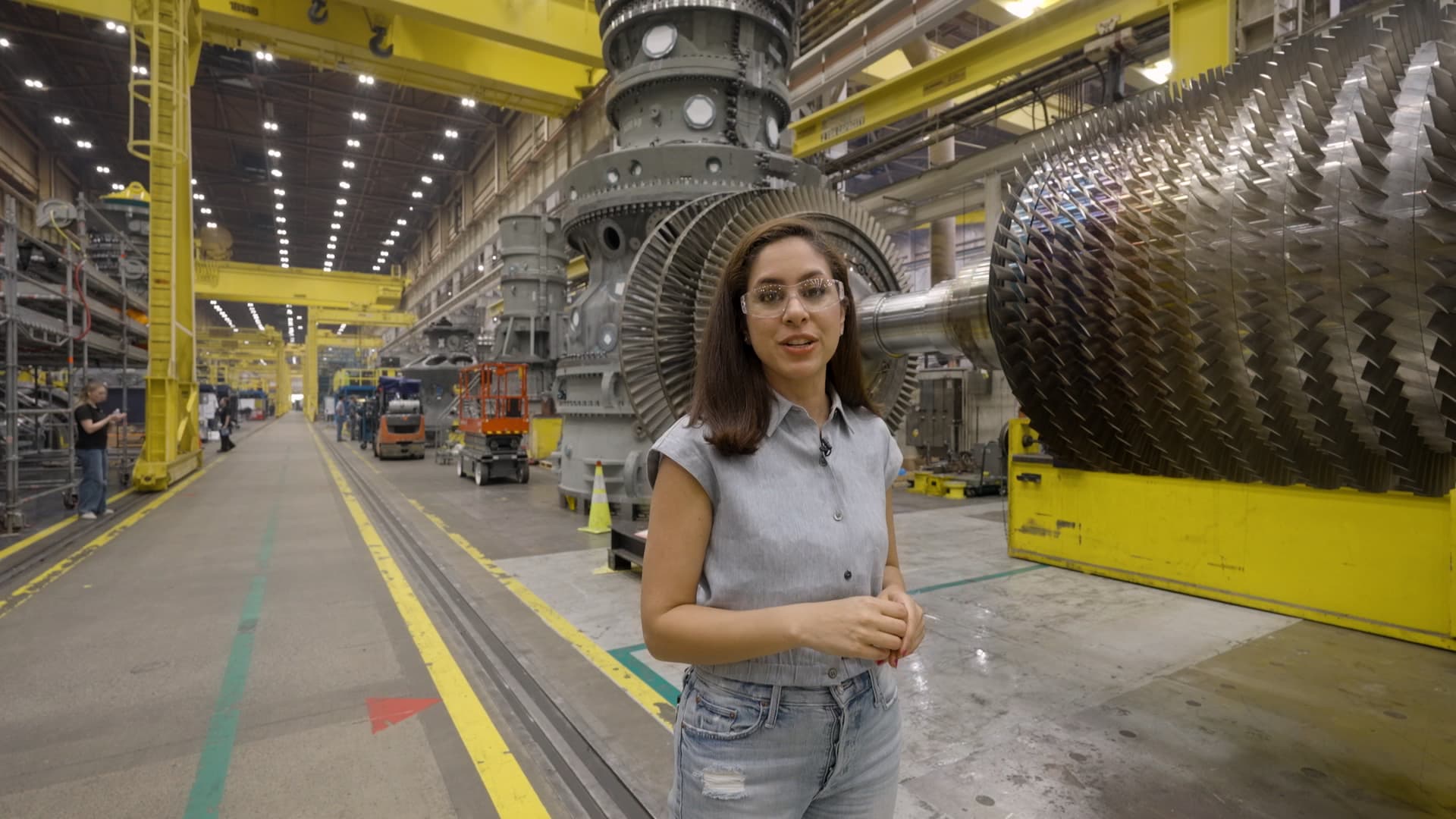
GE Vernova's gas turbine plant in Greenville, South Carolina, has become part of the AI data-center supply chain as hyperscalers seek firm power for facilities that cannot wait on grid upgrades alone.
The company hired 200 workers last year and expects 300 more workers at the factory by the end of this year.
Engineers and factory workers are trying to speed production of turbines now being bought for large data-center projects.
Amazon, Google, Microsoft and Oracle were identified as hyperscalers pursuing the machines.
Pablo Koziner, GE Vernova's chief commercial and operations officer, said industrial gas turbines are one of the leading options when customers need power at scale and firm power.
Executives from nearly every major hyperscaler have visited the factory floor, according to a person familiar with the visits.
GE Vernova did not identify every visiting executive or disclose all pending customer orders tied to those visits.
The Greenville plant therefore shows a different side of AI infrastructure.
Compute buyers are not only chasing GPUs, racks and buildings; they are also competing for industrial equipment that can deliver electricity before utility upgrades catch up with new campuses.
Microsoft, xAI And Stargate Put Turbines Near AI Capacity
The machines are large industrial assets, not a software procurement line.
One turbine stands 31 feet tall, weighs 280 tons and can power roughly half a million homes.
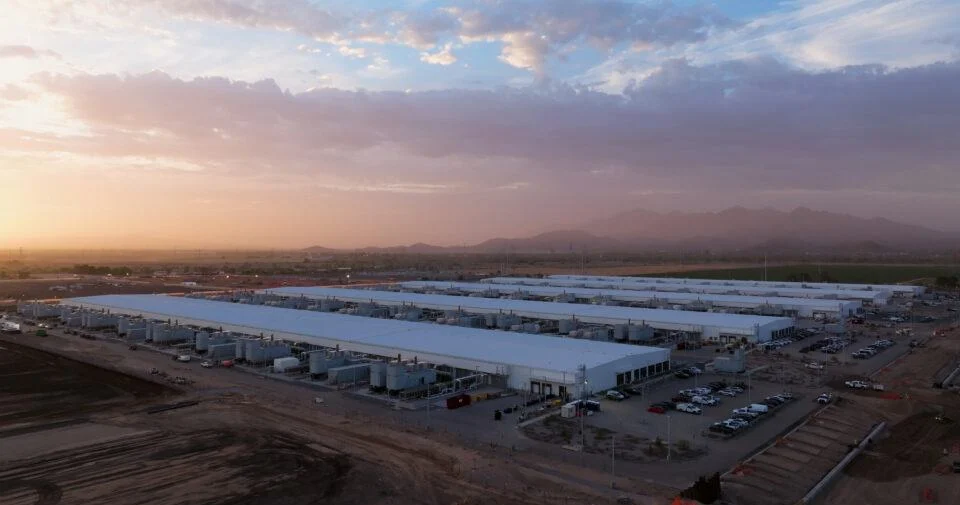
Microsoft bought seven turbines to power its Texas data center.
The project totals 2.7 gigawatts, enough electricity to power about 3 million homes.
At Elon Musk's xAI Colossus 1 campus in Tennessee, GE Vernova equipment is already running.
Cleanview, which tracks data-center development, also identified almost a gigawatt of additional GE Vernova turbine deployment for OpenAI's Stargate project in Texas.
Koziner said about 20% of GE Vernova's gas power order book is going to data-center or artificial-intelligence applications.
The figure gives the AI buildout a direct equipment-market signal, but it also shows why power hardware is becoming a schedule risk for cloud and model companies.
Koziner's comments link the AI surge to electrification work coming out of the same factory.
The connection is practical: model capacity depends on generating capacity when projects need firm supply and the grid connection is not enough on its own.
Orders Stretch Past 2029
Demand is running ahead of available supply.
GE Vernova's order book is full through 2029, and Koziner said the company is booking into 2030 and 2031.
One turbine can cost more than $250 million, according to industry estimates material.
Melius analysts said prices have risen 300% in the last 3 years.
GE Vernova's stock has gained nearly 60% in the past six months.
The same buildout faces public pushback on data-center development and environmental concerns.
GE Vernova says it is working to make the turbines more environmentally friendly, and Koziner said the turbine shown at the plant is two times more efficient than a turbine the company would have produced 20 years ago.
For tech investors, the price movement adds another capital-expenditure pressure point.
For developers, the order book creates a delivery problem even when land, permits and data-center designs are ready.
AI data-center buyers now have named turbine deployments, a Texas Microsoft purchase and a GE Vernova order book filled through 2029.
The unresolved constraint is how many projects can secure firm power while bookings already extend into 2030 and 2031.
Summary version for Medium
GE Vernova Gas Turbine Backlog Shows AI Data Centers Still Need Firm Power
Why GE Vernova Gas Turbine matter now for cloud infrastructure teams
Quick Summary: GE Vernova said its gas turbine order book is full through 2029, with Microsoft, xAI and OpenAI-linked data-center projects showing how AI capacity plans are moving closer to firm power supply.
GE Vernova Links AI Data Centers To Firm Power
GE Vernova's gas turbine plant in Greenville, South Carolina, has become part of the AI data-center supply chain as hyperscalers seek firm power for facilities that cannot wait on grid upgrades alone. The company hired 200 workers last year and expects 300 more workers at the factory by the end of this year.
Microsoft, xAI And Stargate Put Turbines Near AI Capacity
The machines are large industrial assets, not a software procurement line.
- Point 1: The central topic is cloud-data-centers, with the announcement framed around concrete operating detail.
- Point 2: One turbine stands 31 feet tall, weighs 280 tons and can power roughly half a million homes.
The important shift is not the AI label, but the operating boundary it creates for teams.
Orders Stretch Past 2029
Demand is running ahead of available supply. GE Vernova's order book is full through 2029, and Koziner said the company is booking into 2030 and 2031.
Read the Full Deep Dive
Want to explore the complete technical analysis, enterprise trade-offs, and detailed metrics?
Read the full article originally published at SendTech Times