AI Data Center Moratorium Bill Sets 20MW Threshold For New Builds
The AI Data Center Moratorium Act would pause qualifying data-center construction until federal review, consumer-bill, climate, subsidy and community-approval rules are in place.
Moratorium Bill Targets Large AI Facilities
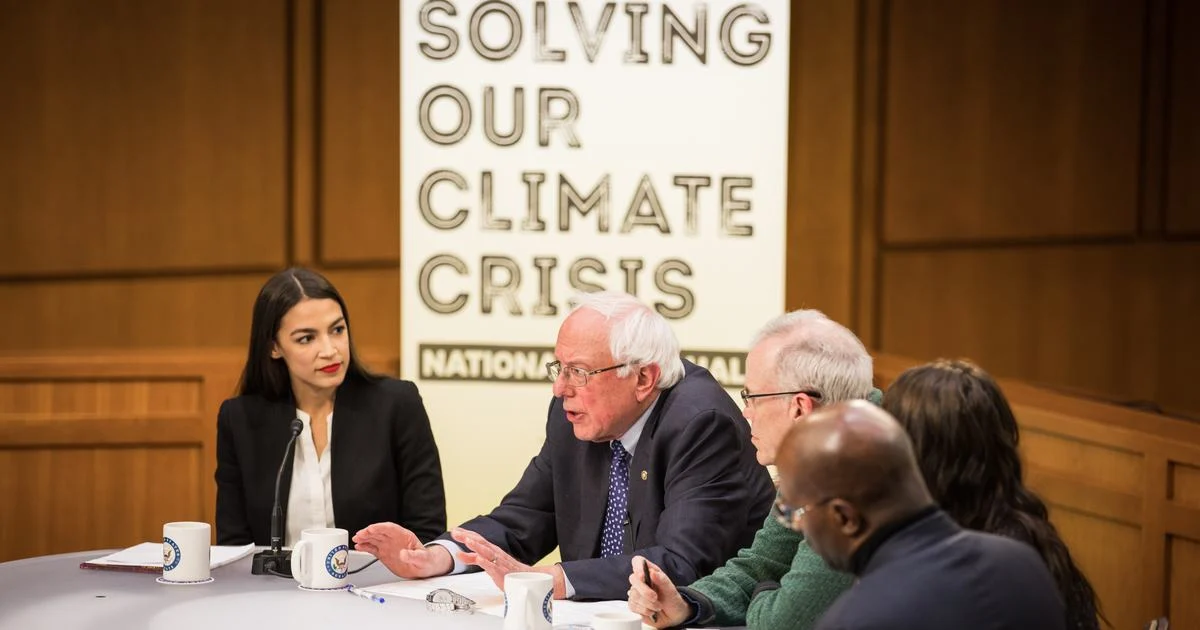
Senator Bernie Sanders and Representative Alexandria Ocasio-Cortez have introduced the Artificial Intelligence Data Center Moratorium Act, a bill that would pause construction of qualifying AI data centers until additional federal rules are passed.
The bill defines covered AI facilities through physical infrastructure thresholds.
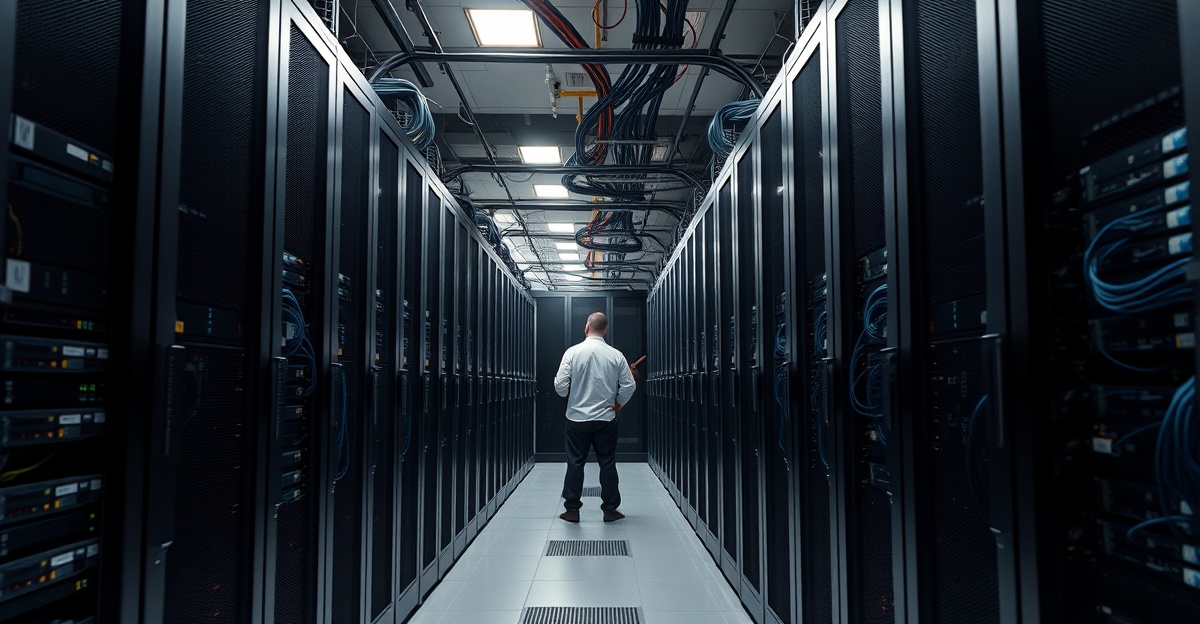
A data center would fall under the proposal if it consumes more than 20MW, uses racks at 20kW or higher, is liquid cooled, and supports the development or operation of artificial intelligence models at scale.
Those thresholds keep the proposal focused on high-density AI infrastructure rather than ordinary enterprise server rooms.
The bill would affect new data-center builds and upgrades, but the article does not report a vote schedule or any Republican support for passage.
The legislative text also links data-center construction to broader AI concerns.
It cites industry figures including Elon Musk, Dario Amodei, Demis Hassabis and Jeff Bezos, whose public comments have touched on job losses, extreme-risk scenarios and propaganda concerns.
Power Bills And Local Approval Become Conditions
The proposal would require laws under which the federal government reviews and approves artificial intelligence products before release.
It would also require policies aimed at preventing job losses and sharing large technology-company wealth with U.S. residents.
For data-center developers, the operating conditions are more direct.
New projects or upgrades would have to show that they do not increase utility or electricity bills for consumers and do not harm the climate.
Communities would receive authority to approve or reject projects, government subsidies would be barred, and union jobs would be required.
The bill also assigns an information-gathering role to the Secretary of Energy.
The department would submit a quarterly AI report to Congress and make it public.
The report would track data-center water use, energy use and costs, greenhouse gas emissions, wastewater discharge and nearby noise levels.
Those conditions move the debate from abstract AI risk to the operating burden around physical infrastructure.
A developer would have to answer questions about electricity costs, local environmental effects and labor before a project could move forward.
The proposal also treats upgrades as part of the same problem, which means higher-density retrofits would not avoid scrutiny simply because a building already exists.
Local Moratoriums Already Shape The Market
Sanders said Congress is behind in understanding AI's economic and democratic consequences and called for public debate and oversight before more AI data centers are built.
The legislation is cosponsored by several House Democrats, including André Carson, Steve Cohen, Jesús “Chuy” García, Dan Goldman, Adelita Grijalva, Jim McGovern, Terri Sewell, Rashida Tlaib and Bonnie Watson Coleman.
The proposal is unlikely to become federal law in its current form, but the data-center siting fight is already active below the national level.
The representatives noted that more than 100 local communities have enacted data-center moratoriums and that 12 states are advancing statewide moratorium proposals.
The bill therefore shows how AI infrastructure is becoming a power, water, subsidy and local-control issue.
Developers still need grid access, cooling plans and community approvals, and the federal bill does not yet have a clear path to passage.