SoftBank CEO Questions Space-Based AI Data-Centre Economics
Masayoshi Son challenged orbital data-centre claims, arguing near-term AI competition needs terrestrial compute capacity faster than space infrastructure can deliver.
Son Challenges Orbital Data-Centre Timing
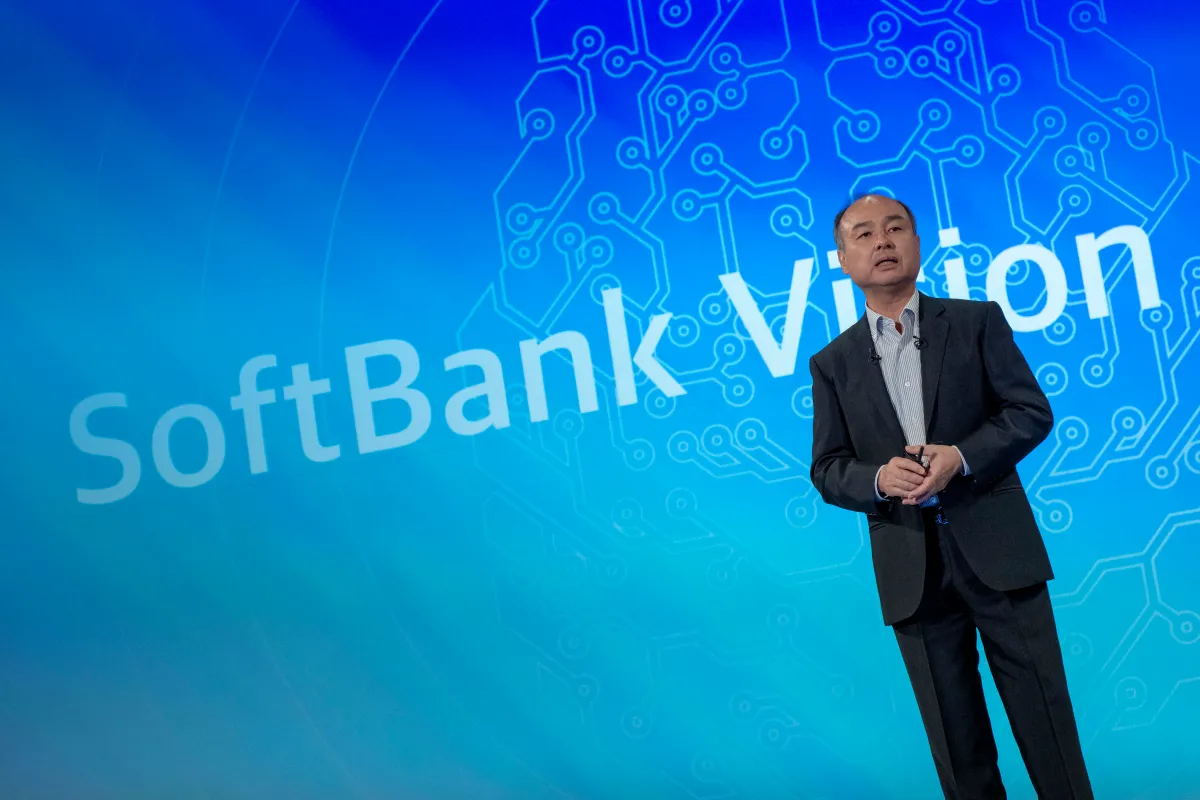
SoftBank founder and CEO Masayoshi Son questioned whether space-based data centres can help the AI industry quickly enough.
Speaking at a shareholder meeting, he argued that the next few years matter more for AI competition than infrastructure that may arrive a decade later.
The account comes from a TechCrunch Equity podcast discussion and edited recap; it does not include a SoftBank transcript, orbital-compute cost model, launch schedule, power budget or signed cloud-customer record.
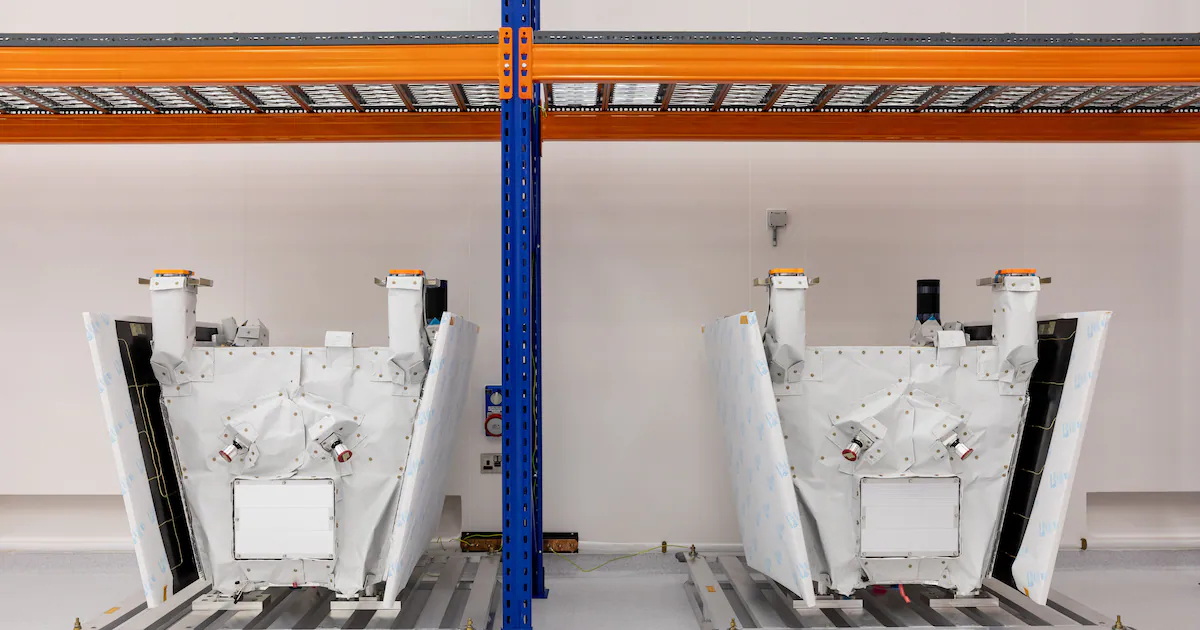
The remarks push back against Elon Musk's orbital data-centre vision.
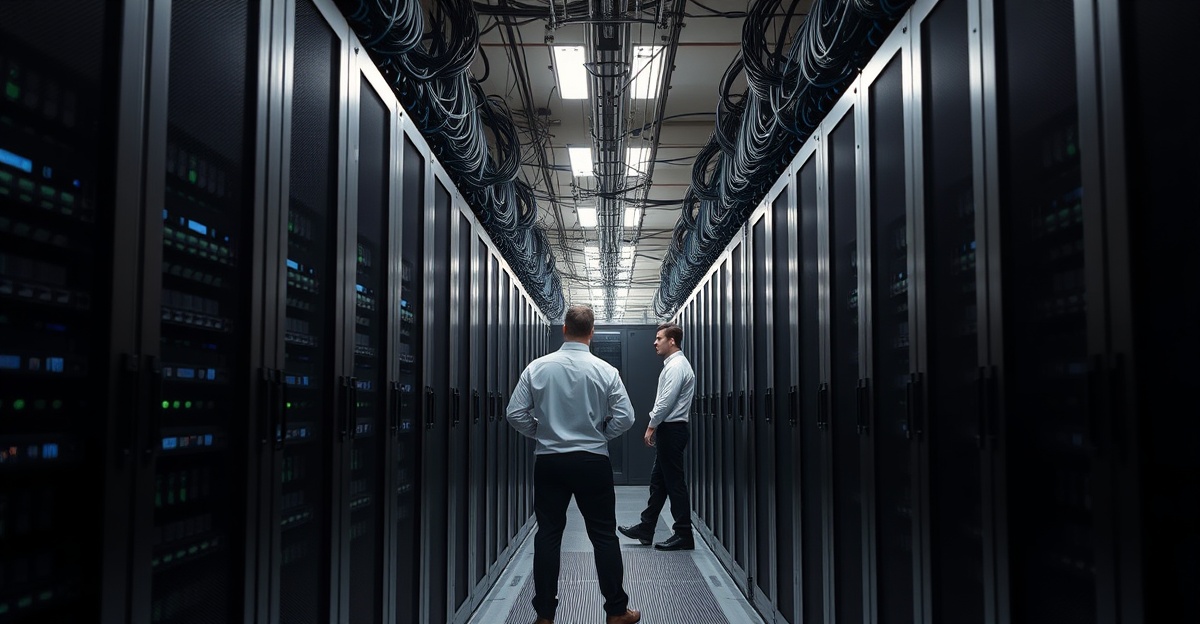
The idea has attracted attention because AI demand is constrained by power, chips, cooling and data-centre availability on Earth.
Compute Shortage Drives The Debate
The broader discussion is about where AI compute can be built and leased.
TechCrunch's Equity podcast connected Son's comments with OpenAI custom-chip plans, Groq's $650 million funding round and a wider move by companies to reposition themselves as neo-cloud providers.
Sean O'Kane argued that a satellite constellation used for orbital compute would also create recurring business for SpaceX because satellites need replacement every few years.
The podcast framed that dynamic as commercially attractive for SpaceX even if it does not solve near-term AI capacity constraints.
Economics Remain Unproven
The skepticism is notable because SoftBank has a history of large technology bets.
Son's position is not that AI compute demand is weak, but that orbital infrastructure may not lower costs or arrive quickly enough for the industry's current buildout cycle.
Terrestrial data centres still face power and permitting challenges, yet they remain the nearer-term path for model training, inference and cloud leasing.
Space infrastructure would need launch capacity, energy systems, cooling strategy, networking and replacement economics to work at scale.
Article Does Not Include Cost Model, Launch Schedule Or Signed Cloud Customers
The article did not provide a cost model, launch schedule, capacity targets, power budgets or signed cloud customers tied to orbital data centres.
Those absent figures keep the space-based plan at the narrative stage rather than the engineering and procurement stage.
The public record leaves near-term compute bottlenecks tied to named terrestrial constraints: chips, power, cooling, permitting and data-centre availability.
The TechCrunch discussion does not show an orbital system changing the immediate data-centre shortage.
Son Names Terrestrial Compute As Nearer-Term Path For AI Buildout
Son framed terrestrial capacity as the nearer-term path for AI buildout because it can be contracted, powered and connected inside current planning windows.
The discussion named terrestrial data centres, grid connections, chip supply and high-speed networking as the relevant capacity constraints.
A future orbital system would also need dependable latency, resilience, service-level guarantees and maintenance plans for assets that cannot be serviced like ground facilities.
The public discussion has not shown those operating details.
The available record supports skepticism about timing rather than a conclusion that orbital compute cannot ever work, and it leaves the primary SoftBank transcript, orbital cost model, launch schedule, capacity targets and signed cloud-customer evidence outside the article.
Summary version for Medium
SoftBank CEO Questions Space-Based AI Data-Centre Economics
Why SoftBank CEO Questions Space-Based matter now for cloud infrastructure teams
Quick Summary: Masayoshi Son challenged orbital data-centre claims, arguing near-term AI competition needs terrestrial compute capacity faster than space infrastructure can deliver.
Son Challenges Orbital Data-Centre Timing
SoftBank founder and CEO Masayoshi Son questioned whether space-based data centres can help the AI industry quickly enough. Speaking at a shareholder meeting, he argued that the next few years matter more for AI competition than infrastructure that may arrive a decade later.
Compute Shortage Drives The Debate
The broader discussion is about where AI compute can be built and leased.
- Point 1: The central topic is cloud-data-centers, with the announcement framed around concrete operating detail.
- Point 2: TechCrunch's Equity podcast connected Son's comments with OpenAI custom-chip plans, Groq's $650 million funding round and a wider move by companies to reposition themselves as...
The important shift is not the AI label, but the operating boundary it creates for teams.
Economics Remain Unproven
The skepticism is notable because SoftBank has a history of large technology bets. Son's position is not that AI compute demand is weak, but that orbital infrastructure may not lower costs or arrive quickly enough for the industry's current buildout cycle.
Read the Full Deep Dive
Want to explore the complete technical analysis, enterprise trade-offs, and detailed metrics?
Read the full article originally published at SendTech Times