AFL’s AI Interconnect Thesis Moves Data Center Networks Into The Bottleneck
AFL’s Noah Taylor framed data center interconnect as a critical constraint for AI infrastructure, arguing that hyperscale networks now need denser fiber, faster deployment and tighter ecosystem integration as inference shifts more traffic upstream.
AI Growth Pushes The Link Between Facilities Into View
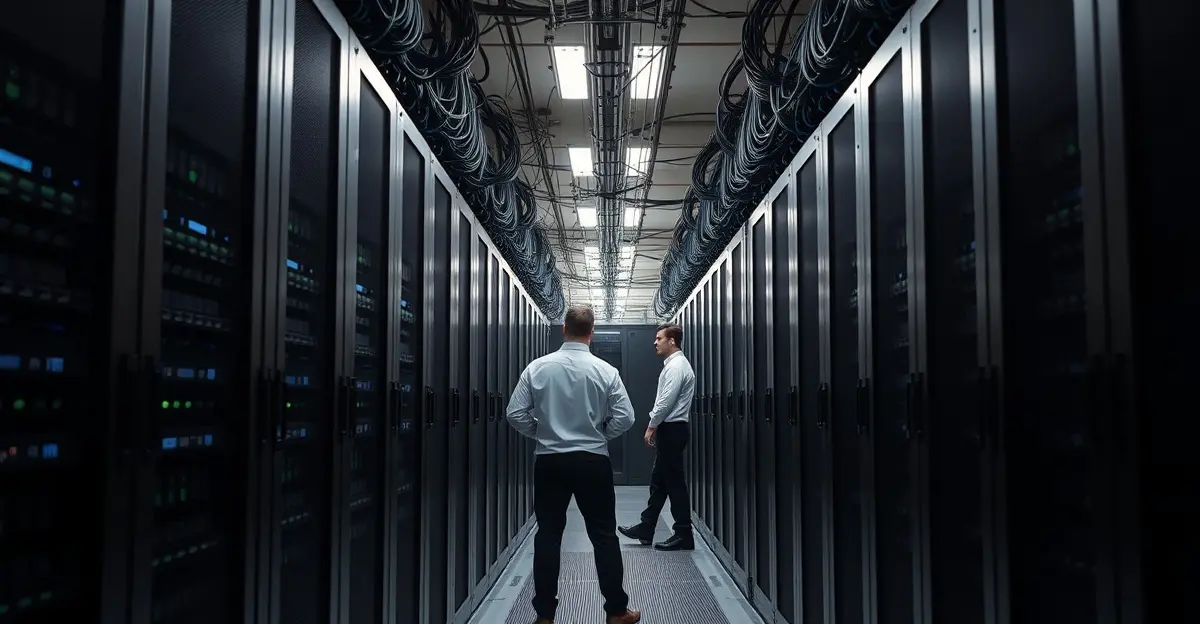
AFL is treating data center interconnect as a central infrastructure constraint for AI, not as a secondary network layer behind new compute sites.
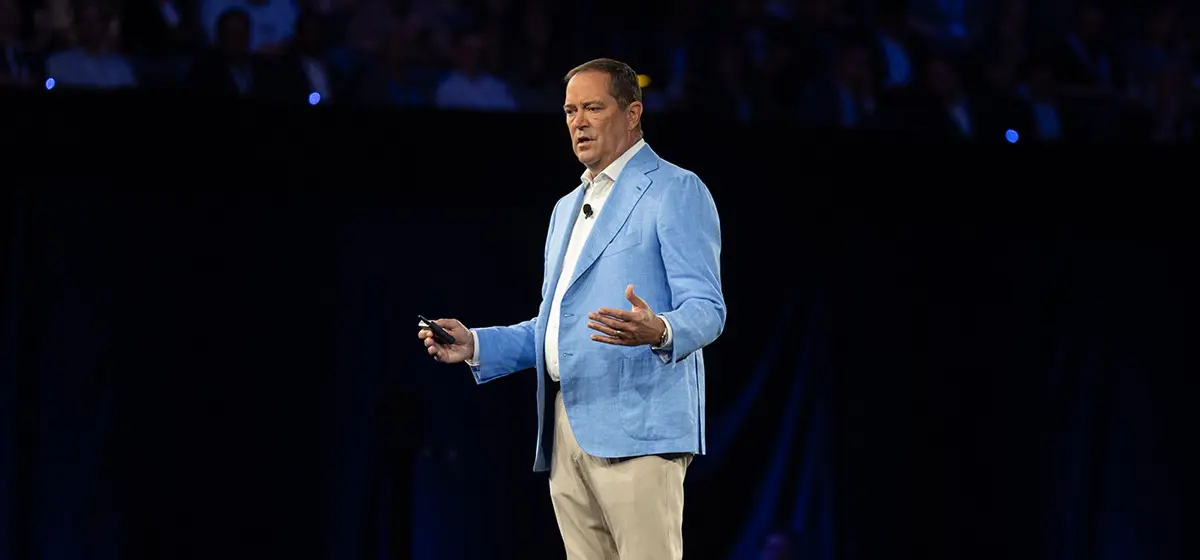
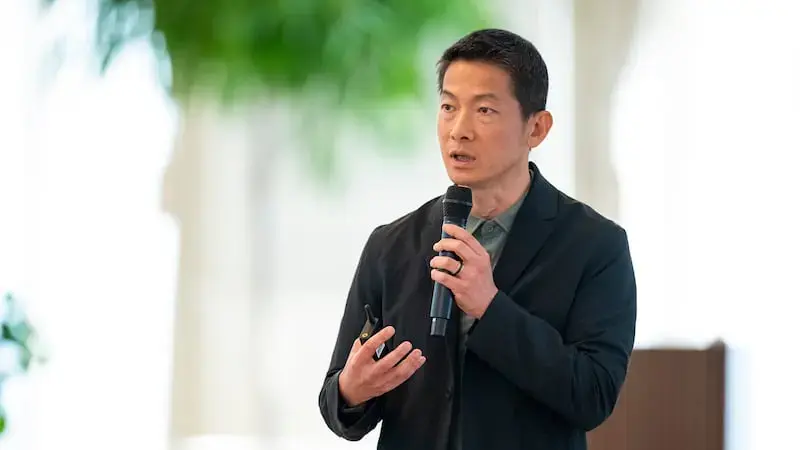
Noah Taylor, AFL’s head of market intelligence and growth strategy for broadband, said during an RCRTech webinar that AI demand is raising pressure on the links that connect data centers as hyperscalers expand deployments.
The claim is specific: Taylor said data center interconnect is scaling as much as, or more than, the data center market itself.
He tied that demand to hyperscale architectures that need mesh-style connections, multiple links between facilities and redundancy built into the network.
For AI infrastructure buyers, the issue is therefore not only whether a new facility has enough servers.
The surrounding optical, metro and access networks also have to move model traffic between sites without creating a new bottleneck.
Inference Changes The Traffic Shape
Taylor connected the interconnect problem to a shift in traffic direction.
AI inference is not only sending finished cloud content down to users.
More users and connected devices are uploading images, video and sensing data for processing, which increases upstream pressure on networks that were historically planned around heavier download flows.
He used two demand markers to explain the scale of the change.
ChatGPT reached 100 million users within 60 days of launch, and Taylor said AI agents can require “over 100 to 1,000 times” more compute than before.
Those figures do not by themselves prove how much capacity any one operator must build, but they explain why AFL is connecting AI adoption to bandwidth design, inter-facility routing and deployment speed rather than only to chip or server procurement.
Density, Speed And Ecosystem Fit Become One Package
Taylor described the interconnect technology stack through three requirements: density, speed of deployment and ecosystem integration.
Density means high-capacity fiber infrastructure that can support AI-scale links.
Speed matters because slow installation and splicing can leave compute assets idle after other parts of a project are ready.
Ecosystem integration means cables, closures, splicing systems and logistics have to work together instead of being handled as isolated procurement categories.
AFL used its own portfolio to illustrate that argument, including Spiderweb Ribbon fiber, high-density cable technologies and intelligent ribbon splicing systems for large deployments.
The commercial point is narrower than a general AI boom story.
Vendors that can shorten the time between network design and usable interconnect capacity may become more important as hyperscalers try to align facilities, fiber routes and operations schedules.
Taylor’s closing point also narrows the execution risk.
Adding more fiber is not enough if high-density networks, fast field work and compatible deployment tools are not planned together.
That makes DCI a coordination problem across materials, installation crews, splicing systems and logistics, not only a capacity problem measured by how many fiber routes are ordered.
Next Fiber Options Still Face Practical Hurdles
The webinar also pointed to hollow-core and multicore fiber as emerging options.
Hollow-core fiber sends light through an air core instead of solid glass, with potential latency and signal-loss advantages.
Multicore fiber could increase capacity by placing multiple cores inside one fiber.
Taylor also noted that these technologies are not ready to become default infrastructure without further work.
Standardization, interface compatibility, deployment practices and cost remain hurdles before broad adoption.
That limitation matters for AI infrastructure planning: the immediate buildout still depends on dense conventional fiber systems, rapid deployment practices and compatible toolchains, while newer fiber designs remain technologies to watch rather than guaranteed near-term replacements.
Summary version for Medium
AFL’s AI Interconnect Thesis Moves Data Center Networks Into The Bottleneck
Why AFL’s AI Interconnect Thesis matter now for cloud infrastructure teams
Quick Summary: AFL’s Noah Taylor framed data center interconnect as a critical constraint for AI infrastructure, arguing that hyperscale networks now need denser fiber, faster deployment and tighter ecosystem integration as inference shifts more traffic upstream.
AI Growth Pushes The Link Between Facilities Into View
AFL is treating data center interconnect as a central infrastructure constraint for AI, not as a secondary network layer behind new compute sites. Noah Taylor, AFL’s head of market intelligence and growth strategy for broadband, said during an RCRTech webinar that AI demand is raising pressure on the links that connect data centers as hyperscalers expand deployments.
Inference Changes The Traffic Shape
Taylor connected the interconnect problem to a shift in traffic direction.
- Point 1: The central topic is data center interconnect, with the announcement framed around concrete operating detail.
- Point 2: AI inference is not only sending finished cloud content down to users.
AI deployments now depend on where models, data, approvals and operating teams meet.
Density, Speed And Ecosystem Fit Become One Package
Taylor described the interconnect technology stack through three requirements: density, speed of deployment and ecosystem integration. Density means high-capacity fiber infrastructure that can support AI-scale links.
Read the Full Deep Dive
Want to explore the complete technical analysis, enterprise trade-offs, and detailed metrics?
Read the full article originally published at SendTech Times