Georgia Power Filings Show 3.2GW Grid Queue Before OpenAI Camellia Debut
Data Center Knowledge reviewed PSC filings that recorded a 3,200MW customer commitment and an anonymised 3,210MW project before OpenAI unveiled its $20 billion Project Camellia AI campus.
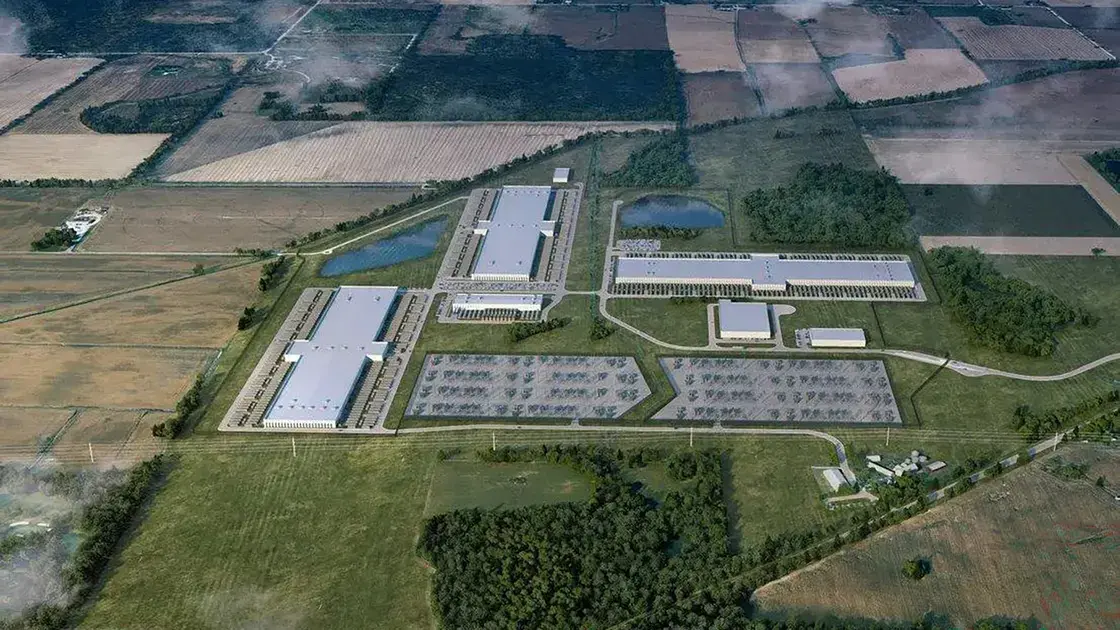
A 3.2GW AI campus was moving through Georgia utility planning before OpenAI gave the project a public name.
Data Center Knowledge reviewed Georgia Public Service Commission filings that recorded a 3,200MW customer commitment and an anonymized 3,210MW project before OpenAI unveiled the $20 billion Project Camellia campus.
The PSC record establishes the load sequence before the public launch, but it does not identify the confidential customer.
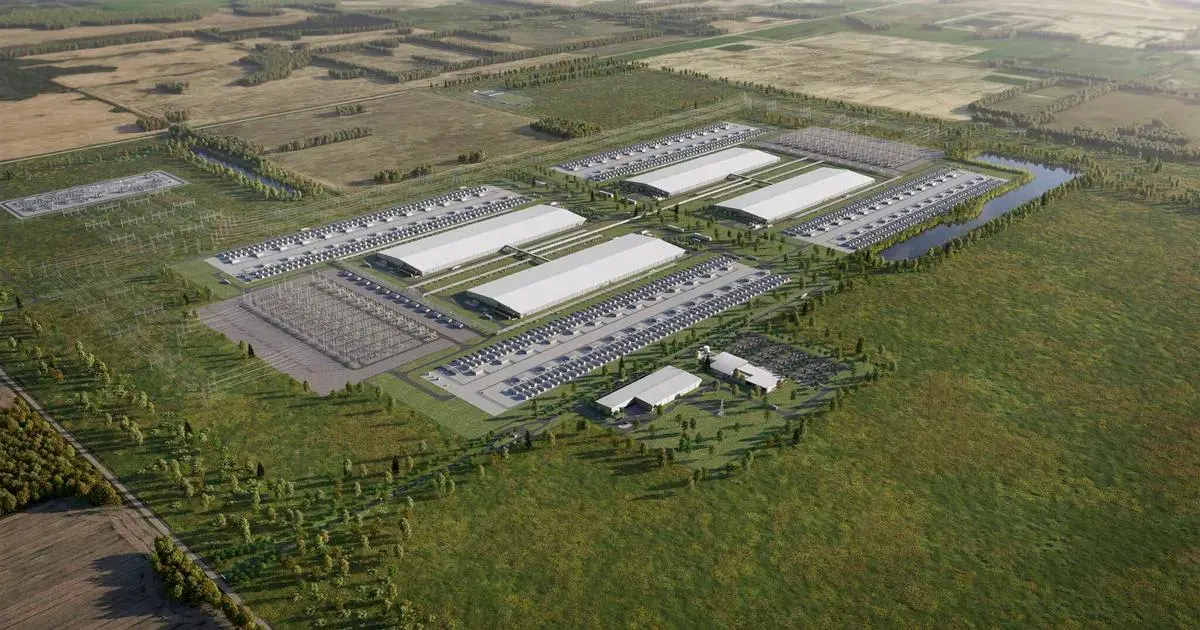
Project Camellia was announced as a 3.2GW AI campus, and the filing material shows how large-load planning can begin months before communities, developers, and other power users see the named project.
PSC Filings Recorded A 3,200MW Commitment
In a first-quarter 2026 large-load filing, Georgia Power recorded 3,200MW of new customer commitments for April 2026 and placed the fuller update in the next quarterly cycle.
OpenAI gave Project Camellia its public name three months after that April commitment appeared in the utility record.
An accompanying planning attachment identifies an anonymized project in technical review with an announced load of 3,210MW, an initial in-service date of Q2 2028, and a ramp to approximately 3.2GW by 2031.
The timeline broadly matches OpenAI's plan to energize the campus in phases beginning in 2028.
Neil Osnato, founder of Persistence Analytics Group, noted that the proposed 3.2GW draw was exceptional for utility planning.
His assessment treated the campus as a system-level load, not a conventional customer connection.
Georgia Power Raised Its Load Forecast
Georgia Power's January 2025 Integrated Resource Plan provides the planning context for early confidential evaluations.
The filing describes ongoing utility talks with large power users and incorporates both prospective and committed projects into long-term demand modeling.
The utility raised its load-growth forecast to 8,200MW through the winter of 2030-31, exceeding the 2023 IRP update by more than 2,200MW, and projected nearly 6,000MW of new demand by the winter of 2028-29.
The filing also proposed new generation resources and strategic transmission investments.
Whether Project Camellia contributed to that forecast cannot be determined from the public record.
A single 3.2GW campus illustrates the size of customer requests that can alter a utility's planning horizon before the project enters local economic-development debate and before local documents name the buyer.
OpenAI Deal Includes Demand Response Terms
Georgia Power's OpenAI agreement carried terms that were not visible in the PSC filings.
The utility put OpenAI under responsibility for full infrastructure and electric-service costs, financial assurances designed to protect existing customers and a 25-year agreement that includes up to 1,000MW of flexible demand response.
Under that arrangement, peak-demand periods can trigger reductions in power delivered to the campus.
The utility described the clause as one of the largest demand-response commitments attached to a single facility in the United States, making curtailment a formal part of the campus's grid connection rather than an afterthought.
Discovery responses in the PSC docket also illustrate how Georgia Power weighs large-load evidence.
Executed electric-service contracts carry more weight in forecasts than service requests, and one proposed data-center project left the queue after the developer stopped responding, lacked an operator, and no longer marketed the site as a data-center location.
Georgia Power's March 31 large-load materials reported committed large-load customers at 12.4GW, the economic-development pipeline at 76.2GW, and committed projects at 31, most of them data centres.
Those figures place Project Camellia within a much larger queue of AI and hyperscale power requests across the utility system.
Public Records Stop Before Customer Confirmation
County-level records add another boundary around the timeline.
The Effingham County Board of Commissioners had no Project Camellia references in agendas, meeting packets, or minutes before the announcement, and its open-records response found no maintained development, incentive, or correspondence files matching the request.
OpenAI has pledged to share Project Camellia water-use data, publish annual independent audits, and maintain community communication.
That transparency commitment begins after the named campus enters public view; the PSC timeline captures the earlier layer where large-load planning can appear under confidential customer labels.
The PSC filings therefore document the load size, stage, and energization schedule without naming the customer.
The PSC records do not identify OpenAI as the anonymous customer or establish when the 3.2GW load became commercially certain.
Summary version for Medium
Georgia Power Filings Show 3.2GW Grid Queue Before OpenAI Camellia Debut
Why Georgia Power Filings Show matter now for cloud infrastructure teams
Quick Summary: Data Center Knowledge reviewed PSC filings that recorded a 3,200MW customer commitment and an anonymised 3,210MW project before OpenAI unveiled its $20 billion Project Camellia AI campus.
PSC Filings Recorded A 3,200MW Commitment
In a first-quarter 2026 large-load filing, Georgia Power recorded 3,200MW of new customer commitments for April 2026 and placed the fuller update in the next quarterly cycle. OpenAI gave Project Camellia its public name three months after that April commitment appeared in the utility record.
Georgia Power Raised Its Load Forecast
Georgia Power's January 2025 Integrated Resource Plan provides the planning context for early confidential evaluations.
- Point 1: The central topic is cloud-data-centers, with the announcement framed around concrete operating detail.
- Point 2: The filing describes ongoing utility talks with large power users and incorporates both prospective and committed projects into long-term demand modeling.
AI deployments now depend on where models, data, approvals and operating teams meet.
OpenAI Deal Includes Demand Response Terms
Georgia Power's OpenAI agreement carried terms that were not visible in the PSC filings. The utility put OpenAI under responsibility for full infrastructure and electric-service costs, financial assurances designed to protect existing customers and a 25-year agreement that includes up to 1,000MW of flexible demand response.
Read the Full Deep Dive
Want to explore the complete technical analysis, enterprise trade-offs, and detailed metrics?
Read the full article originally published at SendTech Times