Texas Approves $13.8 Billion 765 kV Grid Plan For AI Data Centre Loads
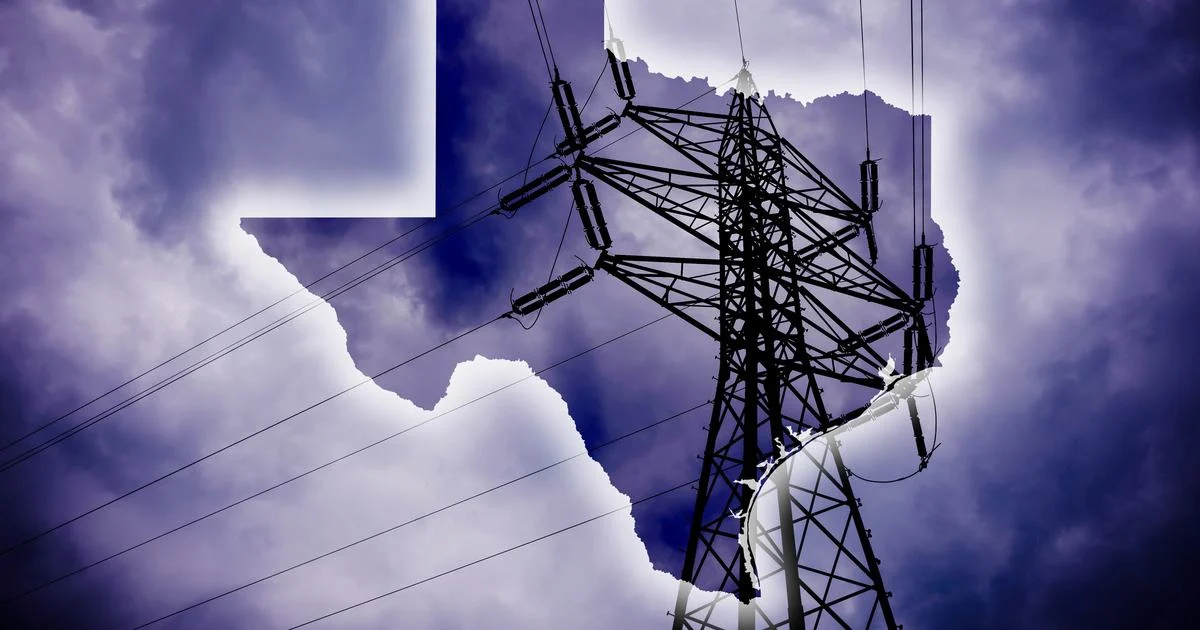
Texas regulators approved a 765 kV transmission plan estimated by ERCOT at $13.8 billion, but the plan does not name AI data centre customers, final routes or ratepayer cost terms.
Texas Approved A 765 kV Grid Plan For AI Data Centre Loads
Data Center Knowledge reported that the Public Utility Commission of Texas approved a 765 kV transmission strategy that puts grid capacity ahead of known data centre construction, not after it.
The commission adopted the extra-high-voltage option in April 2025 for the Permian Basin Reliability Plan, with ERCOT estimating a $13.8 billion cost for the 2038 reliability plan under that option.
Data Center Knowledge reported that ERCOT's planning record described large loads that may arrive faster than traditional grid planning cycles.
ERCOT and transmission providers listed data centres, cryptocurrency mining, hydrogen electrolysis and oil-and-gas electrification among the demand sources behind the plan.
ERCOT Forecasts 23 GW Of Combined Demand By 2030
ERCOT's planning work started with the Permian Basin and oil-field electrification.
Data Center Knowledge reported that transmission providers projected a sharp rise in demand from cryptocurrency mining, data centres and hydrogen electrolysis by 2024.
According to transmission providers' projections cited by Data Center Knowledge, those non-oil-and-gas projects reached 11.6 GW of projected demand by 2030.
Data Center Knowledge reported that the same planning record listed combined demand at 23 GW by 2030 and 26.4 GW by 2038.
ERCOT's staff memo also warned that large-load interconnections can arrive within 6 to 12 months, which could make actual demand exceed today's 2038 forecast.
Data Center Knowledge reported that PUCT staff recommended the 765 kV option after workshops, technical studies and stakeholder meetings.
ERCOT estimated the comparable 345 kV plan at $12.95 billion and a 500 kV alternative at $15.32 billion.
The commission unanimously adopted the recommendation.
Staff said the higher-voltage network would help ERCOT handle uncertainty over where future load and generation will be sited in Texas, while creating the basis for a looped, networked statewide plan.
ERCOT's cost comparison shows that the approved option was not the cheapest named alternative, but it was below the 500 kV estimate and above the 345 kV estimate.
PUCT staff treated the premium as part of a reliability decision because the same load forecast included data centres and other fast-moving large loads alongside the Permian Basin electrification work.
The 765 kV Option Adds Transfer Capability
ERCOT said the higher-voltage network would add 600 MW to 3,000 MW of regional transfer capability compared with the 345 kV alternative.
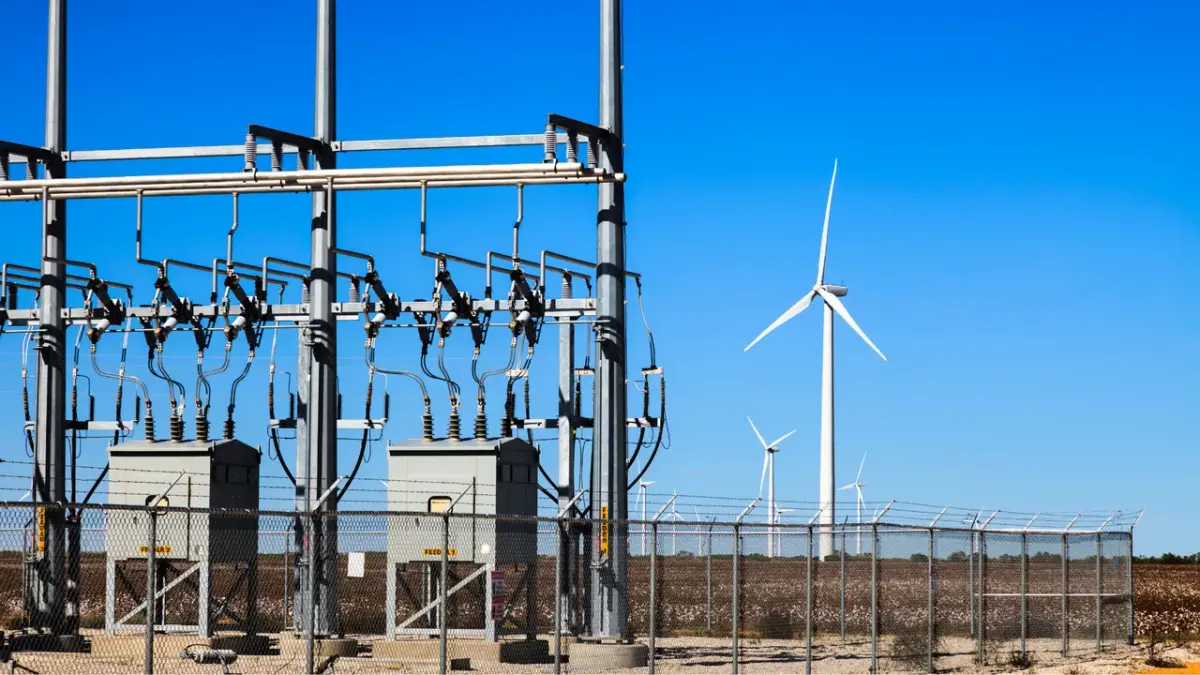
ERCOT also found that the higher-voltage option would reduce annual transmission losses by about 5%, require fewer transmission corridors and provide more siting options for generation resources and large loads.
Commissioner Kathleen Jackson said the Permian Basin had outgrown its infrastructure.
She said the 765 kV option carries a higher initial cost but provides more transfer capability and longer-term benefits if demand continues to rise.
The 2024 Regional Transmission Plan also points beyond West Texas.
According to ERCOT findings cited by Data Center Knowledge, a statewide 765 kV network would increase transfer capability, reduce congestion and transmission losses, and expand siting options for generation resources and large electrical loads.
ERCOT also said the 345 kV and 765 kV buildouts would both retain major required elements even under a scenario where load growth comes in roughly 20 GW below current forecasts.
The planning record compares the new strategy with Texas' earlier CREZ buildout, which was designed to move West Texas wind generation and later helped shape where hyperscale data centre development clustered.
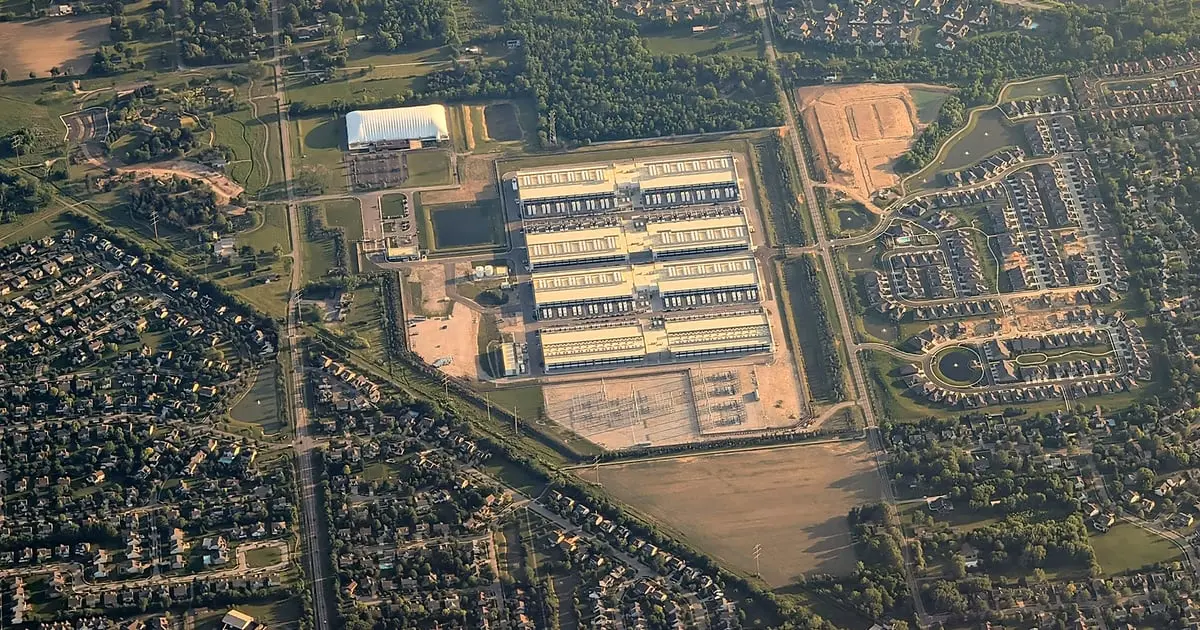
In the new plan, the commission is approving transmission capacity before it knows exactly which large power users will connect or where the next wave of AI infrastructure will be sited.
Power Delivery Becomes A Data Centre Siting Test
Neil Osnato, founder of Persistence Analytics Group, said AI changes transmission planning because the demand is bigger, quicker to relocate, less tied to fixed geography and highly dependent on available power.
He said higher-capacity transmission lets utilities absorb uncertainty over where AI data centres, hydrogen production, oil-and-gas electrification and other large loads emerge.
Osnato also said transmission capacity is becoming a competitive advantage for regions pursuing AI investment.
He said regions competing for AI projects need credible evidence that electricity can reach large campuses at scale, on time and without pushing unpriced risk onto utilities, ratepayers or other customers.
The approved plan does not name specific AI data centre customers, construction start dates, customer interconnection agreements, final transmission-line routes or ratepayer cost-allocation terms for the 765 kV buildout.
Summary version for Medium
Texas Approves $13.8 Billion 765 kV Grid Plan For AI Data Centre Loads
Why Texas Approves $13.8 Billion 765 kV Grid matter now for cloud infrastructure teams
Quick Summary: Texas regulators approved a 765 kV transmission plan estimated by ERCOT at $13.8 billion, but the plan does not name AI data centre customers, final routes or ratepayer cost terms.
Texas Approved A 765 kV Grid Plan For AI Data Centre Loads
Data Center Knowledge reported that the Public Utility Commission of Texas approved a 765 kV transmission strategy that puts grid capacity ahead of known data centre construction, not after it. The commission adopted the extra-high-voltage option in April 2025 for the Permian Basin Reliability Plan, with ERCOT estimating a $13.8 billion cost for the 2038 reliability plan under that option.
ERCOT Forecasts 23 GW Of Combined Demand By 2030
ERCOT's planning work started with the Permian Basin and oil-field electrification.
- Point 1: The central topic is cloud-data-centers, with the announcement framed around concrete operating detail.
- Point 2: Data Center Knowledge reported that transmission providers projected a sharp rise in demand from cryptocurrency mining, data centres and hydrogen electrolysis by 2024.
The important shift is not the AI label, but the operating boundary it creates for teams.
The 765 kV Option Adds Transfer Capability
ERCOT said the higher-voltage network would add 600 MW to 3,000 MW of regional transfer capability compared with the 345 kV alternative. ERCOT also found that the higher-voltage option would reduce annual transmission losses by about 5%, require fewer transmission corridors and provide more siting options for generation resources and large loads.
Read the Full Deep Dive
Want to explore the complete technical analysis, enterprise trade-offs, and detailed metrics?
Read the full article originally published at SendTech Times