Kospi-Nasdaq Correlation Hits 2021 High As AI Memory Trade Tightens
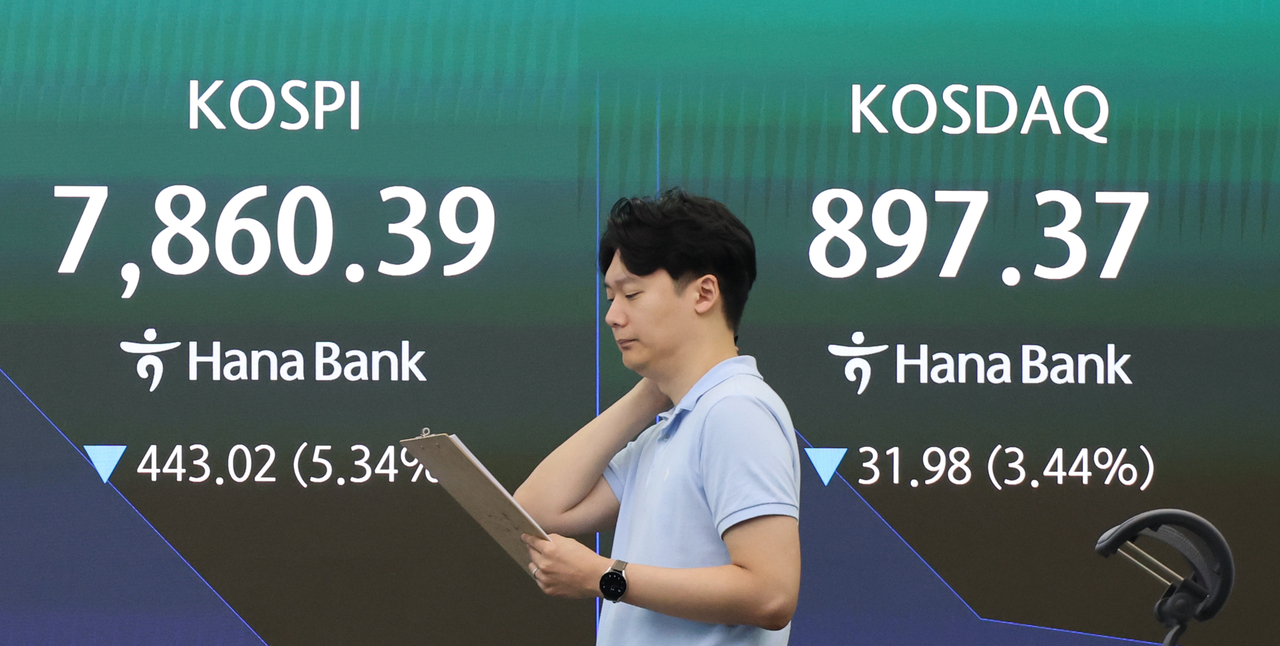
CNBC reported that Rayliant data put the 60-day Kospi-Nasdaq 100 relationship at its highest level since 2021, linking Samsung and SK Hynix more tightly to the U.S. AI hardware trade.
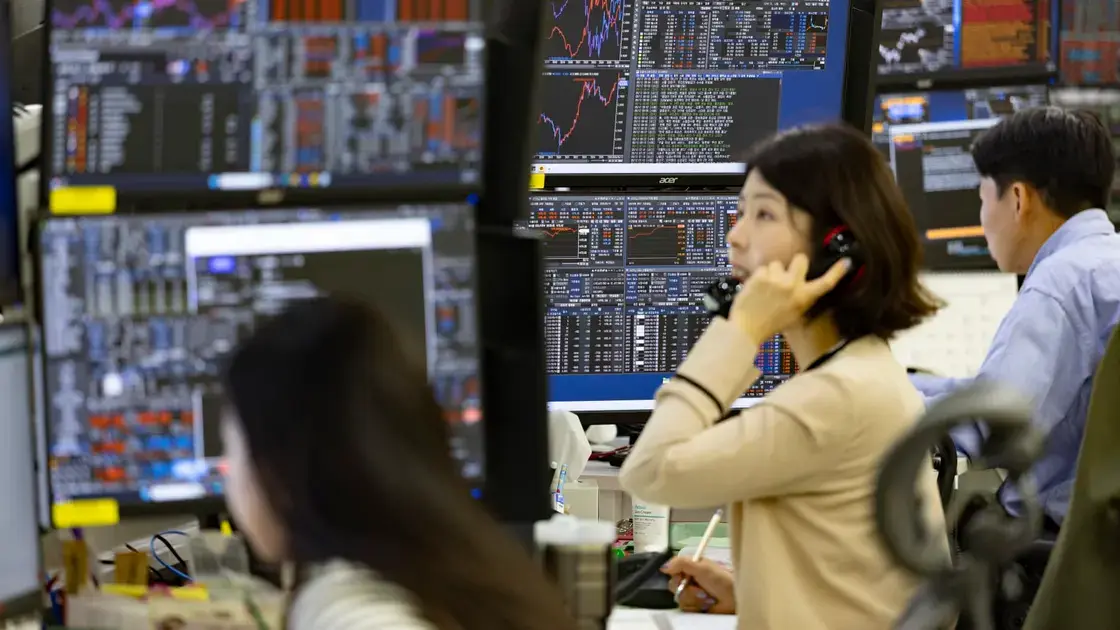
South Korea’s memory-chip rally has become a live measure of the AI hardware trade, narrowing the diversification that investors once expected from holding Korean and U.S. technology shares separately.
Rayliant data put the 60-day relationship between the Kospi and Nasdaq 100 at its highest level since 2021.
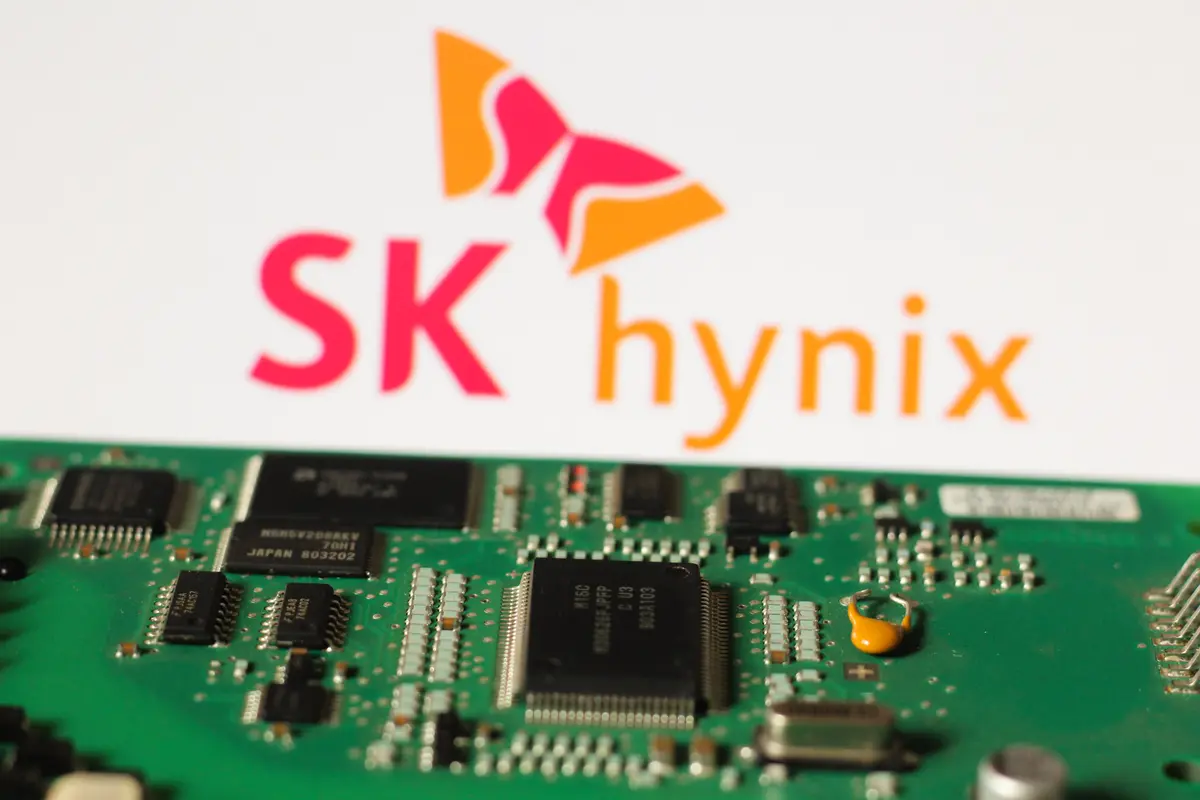
The link is being driven by Samsung Electronics and SK Hynix.
The two companies account for more than half of the Kospi index, while their DRAM and high-bandwidth memory businesses connect Korean equities directly to spending by U.S. hyperscalers and AI infrastructure buyers.
Kospi Correlation Reaches A 2021 High
Rayliant’s correlation reading changes the trading frame around Korean technology shares from a regional chip-cycle story to an AI-capex risk gauge.
The reading rests on the weight of Samsung and SK Hynix inside the Kospi and on investor sensitivity around memory demand for AI servers.
Rolf Bulk, an analyst at Futurum Group, told CNBC that the correlation rose because the KOSPI has become a semiconductor index.
Bulk also put data-centre demand at around 40% of global DRAM demand last year and more than half this year, with further growth expected.
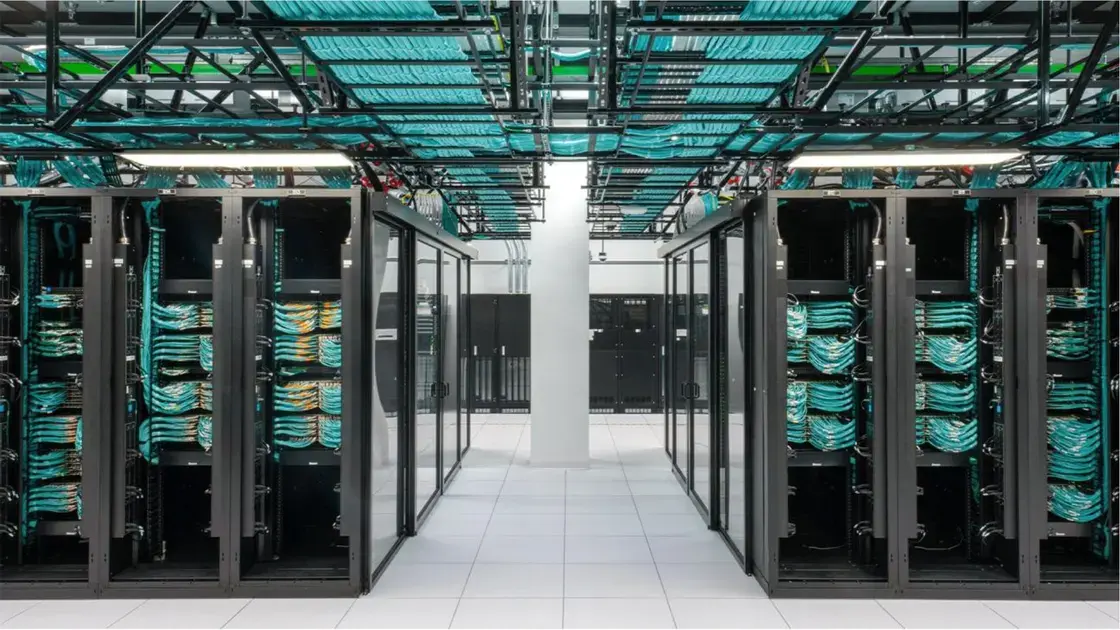
DRAM is the working memory used in AI servers, so the Korean market is now exposed to the same hyperscaler budget cycle that supports U.S. chip and platform stocks.
Memory suppliers now sit near the start of the pricing and demand signal chain for investors tracking AI infrastructure.
Memory Stocks Carry The AI Spending Signal
SK Hynix carries particular sensitivity because of its exposure to high-bandwidth memory, one of the critical components used in AI systems.
Jung In Yun, founder of Fibonacci Asset Management, said the two Korean chipmakers give investors an early trading response when global AI demand news arrives before Wall Street opens.
Recent trading showed how quickly the connection can move across markets.
CNBC’s July 13 market record put the Kospi down more than 8% and SK Hynix down 15%; the later U.S. session closed with the Nasdaq 100 off 1.88%, Micron Technology down 4%, Sandisk down 12% and Intel down 6%.
KB Financial Group global investment strategist Peter Kim placed the Korean memory rally later than the Nasdaq advance because U.S. investors initially focused more on hyperscalers.
The recent scale and volatility have since pushed global investors to treat Korea as a bellwether for wider AI trades.
Samsung’s reporting schedule adds another early read.
CNBC wrote that the company typically gives earnings guidance about two weeks before major U.S. semiconductor companies, placing Korean memory data ahead of several U.S. chip results each quarter.
Customer-level orders and Samsung server-memory forecasts for the period were not included.
Diversification Weakens When One Theme Leads
The risk is not only direction but concentration.
The analyst interviews warned that the Korean and U.S. markets are moving together rather than producing a stable lead-lag sequence.
The limitation affects how the correlation can be used.
Korean trading can show immediate exposure to memory-chip demand, while the Nasdaq can still set the tone for the next Korean session when AI news appears during U.S. hours.
That produces a shared risk-factor reading rather than a simple forecast from one market to the other.
Phillip Wool, head of research at Rayliant Global Advisors, attributed the shared movement to sentiment around the AI hardware trade.
Yun’s market-hours point separates the timing by trading session: Korean markets absorb overnight AI-demand news before Wall Street opens, while U.S. trading can still set pressure for the following Korean session.
Bulk warned that Korea no longer provides diversification against U.S. tech when half the index is tied to one cyclical theme.
Kim added that Micron, Samsung and SK Hynix could diverge later as capital-spending plans, product mixes and U.S. chip-production support pull the companies onto different paths.
China adds another source-backed uncertainty.
CNBC recorded Changxin Technology Group’s 466% debut gain on Shanghai’s STAR Market, while Kim cautioned that Chinese memory producers remain behind global rivals but have often exceeded investor expectations.
Customer-level memory demand forecasts from Samsung and SK Hynix were not included.
Summary version for Medium
Kospi-Nasdaq Correlation Hits 2021 High As AI Memory Trade Tightens
Why this hardware shift matters for AI and compute buyers
Quick Summary: CNBC reported that Rayliant data put the 60-day Kospi-Nasdaq 100 relationship at its highest level since 2021, linking Samsung and SK Hynix more tightly to the U.S. AI hardware trade.
Kospi Correlation Reaches A 2021 High
Rayliant’s correlation reading changes the trading frame around Korean technology shares from a regional chip-cycle story to an AI-capex risk gauge. The reading rests on the weight of Samsung and SK Hynix inside the Kospi and on investor sensitivity around memory demand for AI servers.
Memory Stocks Carry The AI Spending Signal
SK Hynix carries particular sensitivity because of its exposure to high-bandwidth memory, one of the critical components used in AI systems.
- Point 1: The central topic is chips-semiconductors, with the announcement framed around concrete operating detail.
- Point 2: Jung In Yun, founder of Fibonacci Asset Management, said the two Korean chipmakers give investors an early trading response when global AI demand news arrives before Wall Street...
AI deployments now depend on where models, data, approvals and operating teams meet.
Diversification Weakens When One Theme Leads
The risk is not only direction but concentration. The analyst interviews warned that the Korean and U.S.
Read the Full Deep Dive
Want to explore the complete technical analysis, enterprise trade-offs, and detailed metrics?
Read the full article originally published at SendTech Times