Kospi Drops 7.89 Percent As Samsung And SK hynix Lead Chip Sell-Off
The Korea Herald reported that the Kospi fell 7.89 percent on Thursday as Samsung Electronics and SK hynix came under selling pressure from renewed AI-capacity and chip-competition concerns. The article cited a sell-side sidecar, heavy foreign and institutional selling and 48.86 trillion won in trading value, but did not report confirmed order cuts, revised chipmaker forecasts or measured AI capacity utilisation.
Kospi Falls 7.89 Percent As Chip Shares Lead The Drop
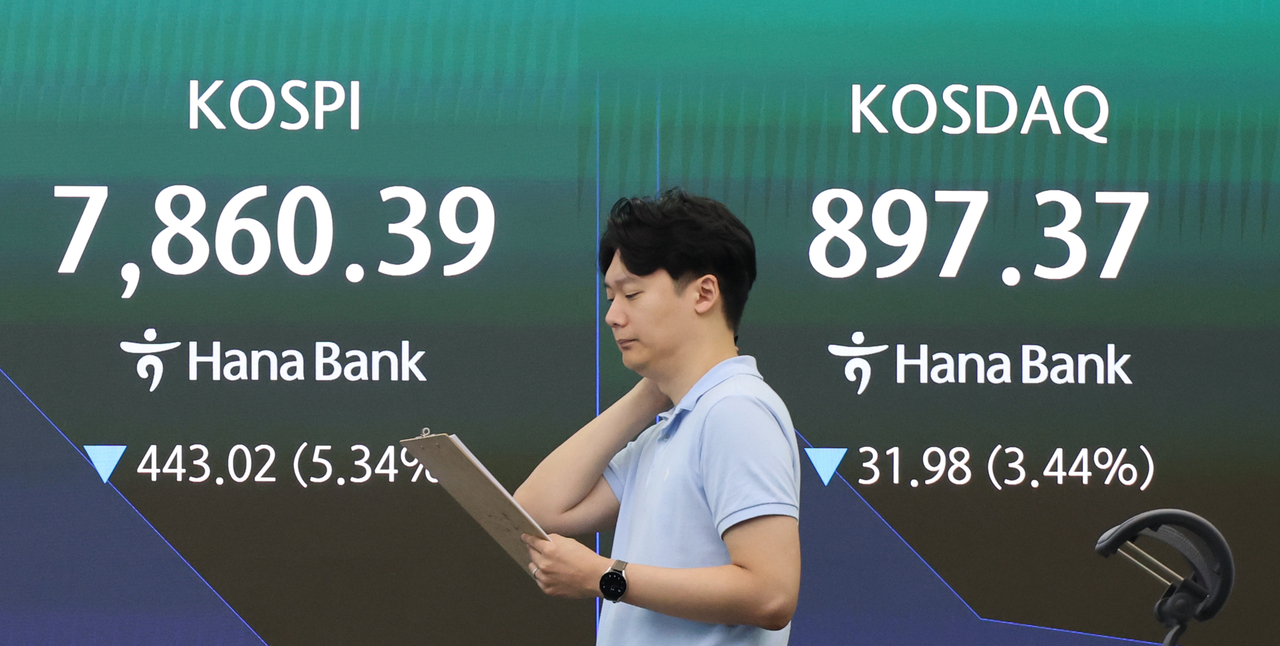
South Korea's benchmark Kospi fell 655.32 points, or 7.89 percent, to 7,648.09 on Thursday in a semiconductor-led sell-off, The Korea Herald reported.
The Korea Herald said Korea Exchange activated a sell-side sidecar around 9:07 a.m., pausing program trading for five minutes after the futures-linked trigger was reached.
The sell-off centred on Samsung Electronics and SK hynix, the two largest Korean chipmakers.
Investor concern rose after media reports said Meta Platforms was considering selling access to its artificial intelligence computing infrastructure, which raised questions about whether AI capacity had been built faster than near-term demand.
Samsung And SK hynix Face AI Capacity And China-Sourcing Concerns
The pressure on Korean chipmakers was not limited to Meta.
The Korea Herald also cited reports that Apple was in talks to source chips from two Chinese semiconductor companies, adding competition concerns for Samsung Electronics and SK hynix.
The Korea Herald reported that market bellwether Samsung Electronics shed 9.06 percent to 286,000 won, while SK hynix tumbled 14.57 percent to 2.19 million won.
Lee Kyoung-min, an analyst at Daishin Securities, said reports about Meta's possible cloud-infrastructure move and Apple's possible Chinese chip sourcing raised concerns about supply bottlenecks and chip pricing.
U.S. technology shares had already weakened overnight.
The Korea Herald also cited overnight U.S. market moves: the S&P 500 slipped 0.2 percent, the Nasdaq 100 fell 1.5 percent and the Philadelphia Semiconductor Index dropped 6.3 percent.
The Korean market move also had a currency and liquidity layer.
The Korea Herald reported that the Korean won weakened against the U.S. dollar, while trade volume reached 499.85 million shares worth 48.86 trillion won, or $31.44 billion.
The Korea Herald reported that decliners outnumbered winners 614 to 279.
Foreign And Institutional Investors Sold Korean Equities
The Korea Herald reported that foreign investors sold a net 4.37 trillion won of Korean shares, while institutions sold 2.07 trillion won.
The Korea Herald reported that individual investors bought a net 6.26 trillion won.
The selling was broad enough to trigger market safeguards, but the main pressure remained tied to the AI semiconductor trade.
Samsung Electronics and SK hynix are the country's two most visible listed links to memory, AI accelerators and global technology spending, so capacity questions quickly moved into the wider Kospi.
The article also noted U.S. Federal Reserve comments.
Kevin Warsh said inflation expectations and inflation risks had eased in recent weeks, supporting hopes for a delay in an interest-rate hike.
That macro point did not offset the chip-sector move in Seoul.
Reported Market Data Does Not Include Order Cuts
The Korea Herald linked the drop to investor concern around reports on Meta infrastructure access and possible Apple sourcing talks.
It did not report confirmed AI chip order cancellations, measured excess GPU capacity, revised Samsung or SK hynix guidance, or named customer cuts.
Reported figures covered the sell-off, the sidecar trigger and investor flows: foreign investors sold 4.37 trillion won and institutions sold 2.07 trillion won, while individuals bought 6.26 trillion won.
The Korea Herald reported market moves and analyst comments, but the public record did not include confirmed order reductions, customer cancellations, revised chipmaker forecasts, measured AI capacity utilisation or company statements from Samsung Electronics, SK hynix, Meta or Apple on the reported sourcing and capacity concerns.
Summary version for Medium
Kospi Drops 7.89 Percent As Samsung And SK hynix Lead Chip Sell-Off
Why this hardware shift matters for AI and compute buyers
Quick Summary: The Korea Herald reported that the Kospi fell 7.89 percent on Thursday as Samsung Electronics and SK hynix came under selling pressure from renewed AI-capacity and chip-competition concerns. The article cited a sell-side sidecar, heavy foreign and institutional selling and 48.86 trillion won in trading value, but did not report confirmed order cuts,...
Kospi Falls 7.89 Percent As Chip Shares Lead The Drop
South Korea's benchmark Kospi fell 655.32 points, or 7.89 percent, to 7,648.09 on Thursday in a semiconductor-led sell-off, The Korea Herald reported. The Korea Herald said Korea Exchange activated a sell-side sidecar around 9:07 a.m., pausing program trading for five minutes after the futures-linked trigger was reached.
Samsung And SK hynix Face AI Capacity And China-Sourcing Concerns
The pressure on Korean chipmakers was not limited to Meta.
- Point 1: The central topic is chips-semiconductors, with the announcement framed around concrete operating detail.
- Point 2: The Korea Herald also cited reports that Apple was in talks to source chips from two Chinese semiconductor companies, adding competition concerns for Samsung Electronics and SK...
The important shift is not the AI label, but the operating boundary it creates for teams.
Foreign And Institutional Investors Sold Korean Equities
The Korea Herald reported that foreign investors sold a net 4.37 trillion won of Korean shares, while institutions sold 2.07 trillion won. The Korea Herald reported that individual investors bought a net 6.26 trillion won.
Read the Full Deep Dive
Want to explore the complete technical analysis, enterprise trade-offs, and detailed metrics?
Read the full article originally published at SendTech Times