India Orders Battery App Removals After E-Rickshaw Shutdown Reports
India’s electronics ministry ordered app-store removals for BAT-BMS, Epoch-i-ion and Lossigy after reports that Bluetooth battery-management controls could disable e-rickshaws remotely. The removal order covers app-store distribution while the reported weakness sits in battery controls, and MeitY has not published a final investigation report or named the battery makers involved.
MeitY Orders App Store Removals After E-Rickshaw Shutdown Reports
India’s electronics ministry has moved against battery-management apps after reports that Bluetooth-linked controls could be used to shut down e-rickshaws remotely.
Ministry sources said the order covered BAT-BMS, Epoch-i-ion and Lossigy, three smartphone apps associated with lithium-ion battery management systems used in e-rickshaws.
The Ministry of Electronics and Information Technology described the action as a security response while the matter remains under investigation.
IT Secretary S Krishnan said on Friday that two apps had come to the government’s notice the previous day and had been taken down from app stores.
Krishnan said the government would raise the issue with app-store operators so that due-diligence checks are applied before apps with potentially harmful functions remain available to users.
The account also said BAT-BMS, Epoch-i-ion and Lossigy were still visible on the Google Play Store and Apple App Store at the time of writing, despite the removal directive.
Battery Apps Can Reach Discharge Controls
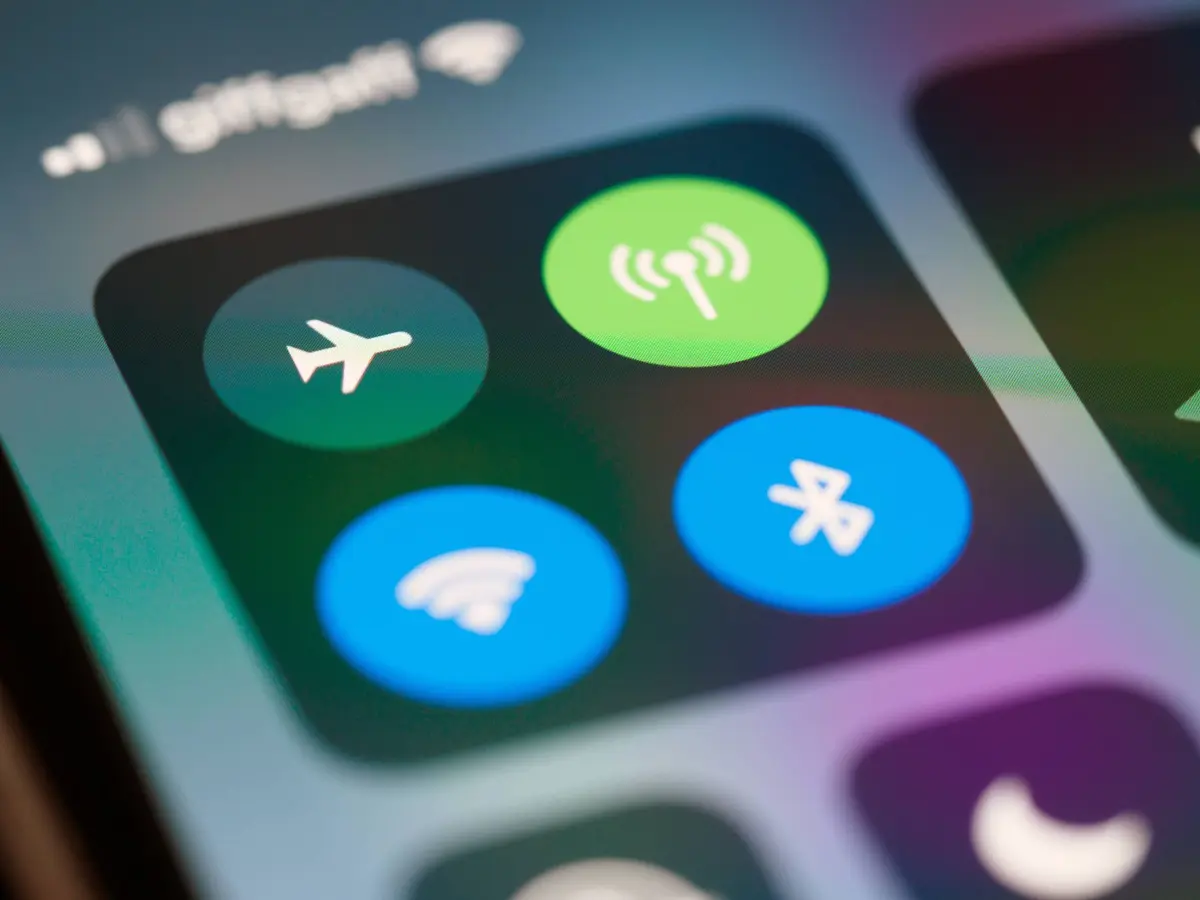
The affected apps are built to communicate with Bluetooth-enabled battery management systems in lithium-ion packs.
Their legitimate use is technical: manufacturers and repair workers use the apps to check battery health, charging and discharge settings, faults and configuration details.
The risk comes from versions that can reach controls for enabling or disabling battery discharge.
When such an app pairs with a vulnerable battery system, the control can cut power to an e-rickshaw and leave the vehicle unable to operate.
Reports identified third-party aftermarket battery systems used in many e-rickshaws as the exposed equipment.
Financial Express reported that several Bluetooth-enabled packs lack default passwords, authentication or stronger access controls before accepting a nearby device connection.
Financial Express also cited a typical Bluetooth range of 10 to 15 metres for the pairing risk.
BAT-BMS, Epoch-i-ion and Lossigy were distributed through ordinary phone stores, while the reported control point sits inside battery firmware settings on vehicles already operating on public roads.
MeitY’s removal order addresses distribution, but the available details do not show whether battery vendors have patched pairing rules or changed the discharge-control defaults.
MeitY’s order puts the named battery apps inside a security review that also covers transport equipment, driver earnings and app-store due diligence.
Drivers Report Lost Work After Remote Shutdowns
The reported impact was already visible among e-rickshaw drivers.
Drivers in Delhi University’s North Campus, near Jamia Millia Islamia and in Sikandarpur in Gurugram described vehicles stopping unexpectedly after the issue appeared.
Asif, who had bought his e-rickshaw a month earlier, said the vehicle stopped at a red light while he was heading towards a metro station to find passengers.
He said he could not restart it and lost a full day of work.
Another driver, Mohanlal, said his vehicle stopped while passengers were inside and had to be pushed off the road with help from passersby.
Two checks remain unresolved for India’s app-store and electric-mobility oversight.
MeitY has not published a final investigation report, and the public record does not yet identify which battery makers or app-store review failures allowed the discharge controls to remain available.
Summary version for Medium
India Orders Battery App Removals After E-Rickshaw Shutdown Reports
What the policy signal means for operators and investors
Quick Summary: India’s electronics ministry ordered app-store removals for BAT-BMS, Epoch-i-ion and Lossigy after reports that Bluetooth battery-management controls could disable e-rickshaws remotely. The removal order covers app-store distribution while the reported weakness sits in battery controls, and MeitY has not published a final investigation report or named the...
MeitY Orders App Store Removals After E-Rickshaw Shutdown Reports
India’s electronics ministry has moved against battery-management apps after reports that Bluetooth-linked controls could be used to shut down e-rickshaws remotely. Ministry sources said the order covered BAT-BMS, Epoch-i-ion and Lossigy, three smartphone apps associated with lithium-ion battery management systems used in e-rickshaws.
Battery Apps Can Reach Discharge Controls
The affected apps are built to communicate with Bluetooth-enabled battery management systems in lithium-ion packs.
- Point 1: The central topic is capital-policy, with the announcement framed around concrete operating detail.
- Point 2: Their legitimate use is technical: manufacturers and repair workers use the apps to check battery health, charging and discharge settings, faults and configuration details.
The useful takeaway is the operating constraint behind the announcement, not the announcement alone.
Drivers Report Lost Work After Remote Shutdowns
The reported impact was already visible among e-rickshaw drivers. Drivers in Delhi University’s North Campus, near Jamia Millia Islamia and in Sikandarpur in Gurugram described vehicles stopping unexpectedly after the issue appeared.
Read the Full Deep Dive
Want to explore the complete technical analysis, enterprise trade-offs, and detailed metrics?
Read the full article originally published at SendTech Times