Spain AI Campus Seeks 300 MW With On-Site Power Plan
Data Center Knowledge reported that EdgeMode, BlackBerry AIF and Mora are seeking regional support for DC MALPICA, a proposed €3 billion ($3.4 billion), 300 MW AI campus whose power model remains partly undisclosed.

A proposed 300 MW AI campus in central Spain is moving through regional permitting with its own power-generation plan, with electricity access central to a Data Center Knowledge project account of the €3 billion ($3.4 billion) data centre proposal rather than a later utility step.
EdgeMode, BlackBerry AIF and the town of Mora presented the DC MALPICA AI project on Monday to officials from the Castilla-La Mancha regional government.
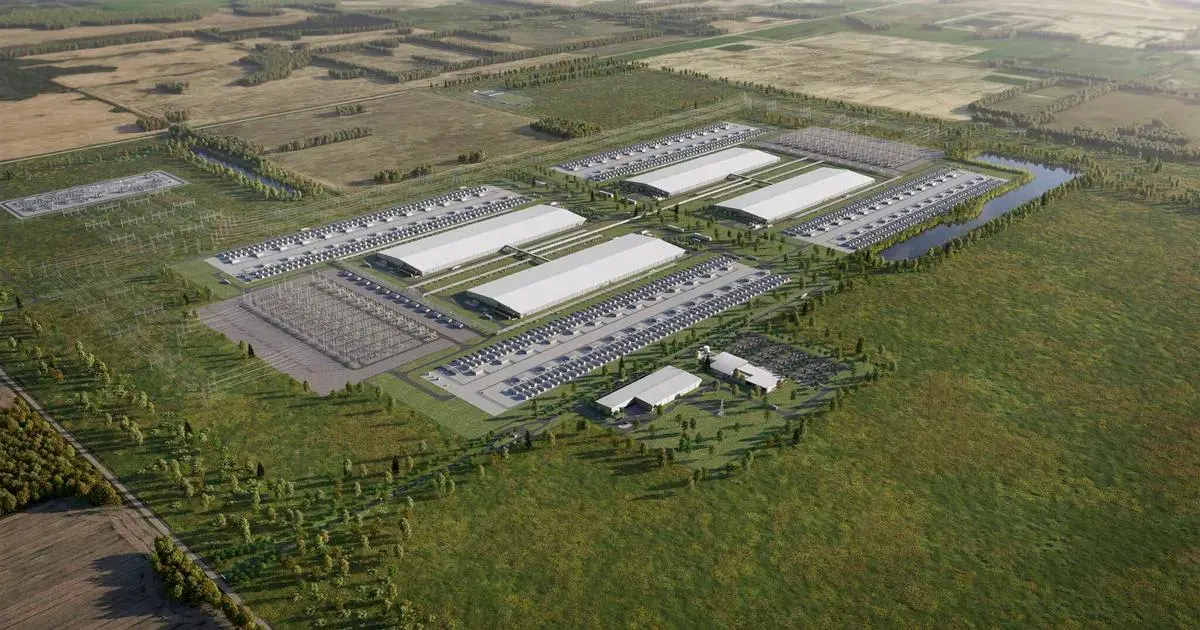
The plan covers two 150,000 square metre AI data centres, and the developers are preparing an application for regional Priority Project status to accelerate permitting for investments considered strategically important.
DC MALPICA Pairs 300 MW Capacity With Local Power
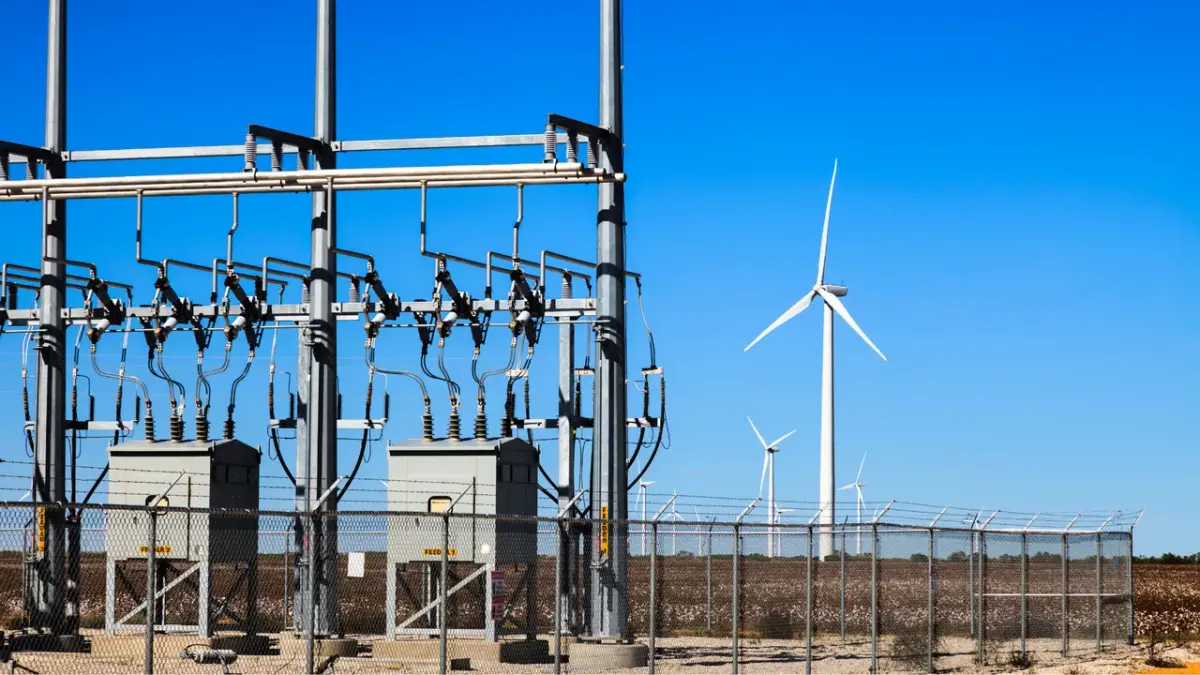
The campus is designed to generate its own electricity and reduce dependence on the conventional grid.
The same project material refers to technologies intended to minimise water consumption.
The power model moves part of the utility question into the site design.
Electricity supply, cooling and interconnection sit alongside the buildings in the project plan before the regional approval process is complete.
Bloom Energy’s Europe director, Reto Zueger, attended the presentation with executives from EdgeMode, BlackBerry AIF and other partners.
The project account did not assign Bloom Energy a role, and a company spokesperson declined to comment.
Dell'Oro Analyst Names Grid Interconnection As The Constraint
Alex Cordovil, research director at Dell'Oro Group, told Data Center Knowledge that grid interconnection has become the main determinant of whether an AI campus reaches operation.
His comments framed on-site generation as a strategic asset, not a backup plan, for developers trying to keep projects moving if grid service is delayed.
The analyst used Nscale’s AI campus in Norway as the comparison point after a delayed grid connection pushed that developer toward an on-site fuel cell solution.
The Spain proposal follows the same infrastructure logic: dedicated generation can support construction sequencing while preserving room for future expansion if utility capacity arrives later.
Cordovil placed the Spanish campus among the largest AI campuses currently planned outside France.
He compared the proposed 300 MW scale with most announced European AI campuses, which he put between roughly 50 MW and 300 MW, while France has several announced gigawatt-scale AI projects.
Regional Approval Still Defines The Timeline
Officials from Castilla-La Mancha ministries responsible for economic development, energy transition and telecommunications attended the Monday presentation.
Priority Project designation is meant to speed permitting, but the project still has to move through the regional approval process before construction can proceed at scale.
Developers estimate the investment at €3 billion ($3.4 billion).
Their employment forecast covers up to 5,000 construction jobs and roughly 1,000 permanent direct and indirect positions after the campus enters service.
BlackBerry AIF CEO José Mora said artificial intelligence needs a new generation of infrastructure and that Spain has an opportunity to become one of Europe’s major technology hubs.
DC MALPICA was presented as a project that combines AI computing capacity with energy independence and sustainability.
The available project record leaves the central infrastructure proof unresolved: DC MALPICA still has to show how much of its planned 300 MW load will come from on-site generation, what fuel will supply it and how the campus will connect to Spain’s electric grid.
Summary version for Medium
Spain AI Campus Seeks 300 MW With On-Site Power Plan
Why Spain AI Campus matter now for cloud infrastructure teams
Quick Summary: Data Center Knowledge reported that EdgeMode, BlackBerry AIF and Mora are seeking regional support for DC MALPICA, a proposed €3 billion ($3.4 billion), 300 MW AI campus whose power model remains partly undisclosed.
DC MALPICA Pairs 300 MW Capacity With Local Power
The campus is designed to generate its own electricity and reduce dependence on the conventional grid. The same project material refers to technologies intended to minimise water consumption.
Dell'Oro Analyst Names Grid Interconnection As The Constraint
Alex Cordovil, research director at Dell'Oro Group, told Data Center Knowledge that grid interconnection has become the main determinant of whether an AI campus reaches operation.
- Point 1: The central topic is cloud-data-centers, with the announcement framed around concrete operating detail.
- Point 2: His comments framed on-site generation as a strategic asset, not a backup plan, for developers trying to keep projects moving if grid service is delayed.
AI deployments now depend on where models, data, approvals and operating teams meet.
Regional Approval Still Defines The Timeline
Officials from Castilla-La Mancha ministries responsible for economic development, energy transition and telecommunications attended the Monday presentation. Priority Project designation is meant to speed permitting, but the project still has to move through the regional approval process before construction can proceed at scale.
Read the Full Deep Dive
Want to explore the complete technical analysis, enterprise trade-offs, and detailed metrics?
Read the full article originally published at SendTech Times