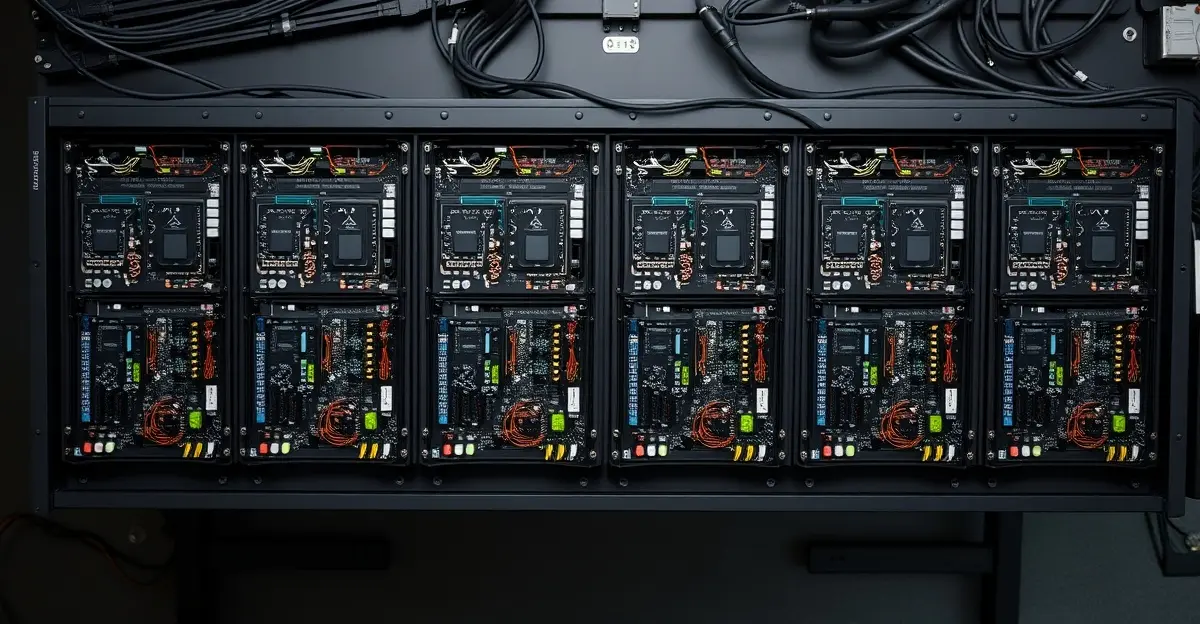
Palm Beach Rejects 600 MW Project Tango AI Campus
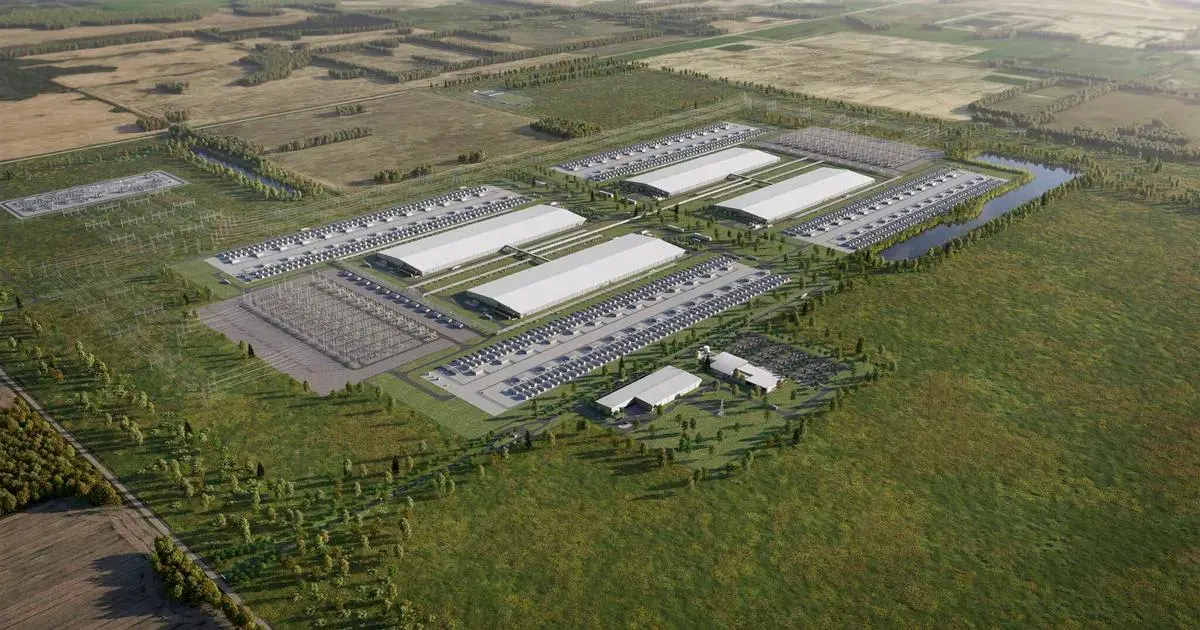
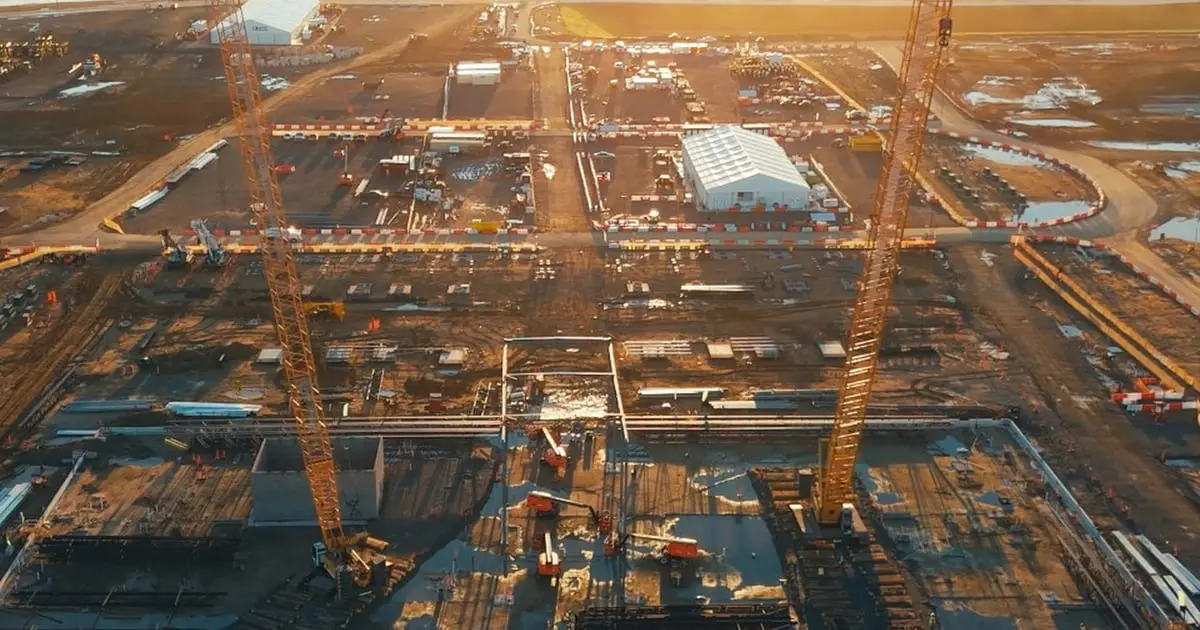
Data Center Knowledge reported that Palm Beach County commissioners voted 5–1 to reject Project Tango, a proposed 600 MW AI data centre campus. Jefferies tied Florida Power & Light’s plan through 2032 to about 6 GW of prospective data centre load, while the project can return with a revised proposal.
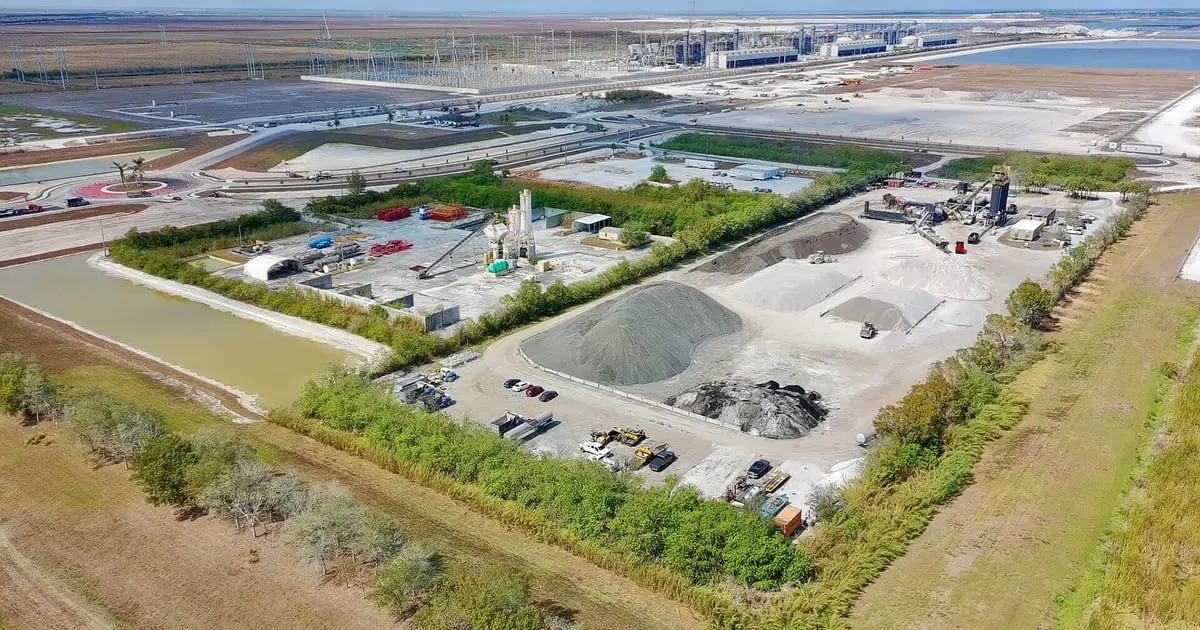
Data Center Knowledge reported that Palm Beach County commissioners rejected Project Tango, a proposed 600 MW AI data centre campus, after local concerns moved from electricity supply to land use, water, traffic and noise.
Data Center Knowledge recorded the county vote as 5–1 and said the application was denied without prejudice, leaving the developer able to return with a revised proposal.
County planning staff had recommended approval after months of redesigns, updated technical studies and community meetings.
County Vote Blocks Project Tango Without Prejudice
Data Center Knowledge reported that the July hearing followed a revised application in which the developer reduced the data centre portion, expanded warehouse space, met residents and county officials, and added studies on noise, traffic and concurrency.
An independent assessment by specialists in acoustics, occupational medicine and environmental health concluded that the proposed design would not create adverse health effects for nearby students or residents.
Data Center Knowledge reported that the assessment described a 600 MW campus for AI and cloud workloads that would rely on battery energy storage rather than routine diesel generator operation.
Commissioners still cited unresolved concerns over land-use compatibility, low-frequency noise, water consumption, traffic and the limited operating history of hyperscale AI campuses, according to Jefferies.
The investment bank estimated that the without-prejudice denial could materially delay the project.
Jefferies Lists 6 GW In Prospective Data Centre Load
For Florida Power & Light’s plan through 2032, Jefferies estimated roughly 6 GW of prospective data centre load.
The bank put the related capital investment at about $12 billion, or roughly 12% of the utility’s planned spending during the period.
The vote exposed a forecasting gap for AI infrastructure.
Neil Osnato, founder of Persistence Analytics Group, told Data Center Knowledge that utilities and investors should rank proposed AI loads by permit status, financing, construction progress and operating evidence instead of assigning each project the same probability of becoming real demand.
Osnato described local permitting risk as load risk and community acceptance as forecast risk.
The report also noted that communities in Northern Virginia, metro Phoenix and parts of Georgia have challenged large data centre proposals over noise, water use and land compatibility, although many projects moved forward after redesigns or negotiated conditions.
Onsite Generation Becomes A Bridge To Power
The Palm Beach denial does not end the proposed campus because the application can return in revised form.
It does, however, add another approval stage before any prospective AI load can become operating demand on the grid.
Michael Webber, professor of energy resources at the University of Texas at Austin, told Data Center Knowledge that projects waiting for utility connections are using onsite generation as a temporary “bridge to power” service.
Webber expected most of those generators to revert to backup power and peak-demand operation after permanent utility service becomes available.
Data Center Knowledge contacted NextEra Energy and Florida Power & Light for comment.
The public record still does not include a revised county filing, final approval conditions, utility-service date, water plan or confirmed construction timetable for Project Tango.
Summary version for Medium
Palm Beach Rejects 600 MW Project Tango AI Campus
Why Palm Beach Rejects 600 matter now for cloud infrastructure teams
Quick Summary: Data Center Knowledge reported that Palm Beach County commissioners voted 5–1 to reject Project Tango, a proposed 600 MW AI data centre campus. Jefferies tied Florida Power & Light’s plan through 2032 to about 6 GW of prospective data centre load, while the project can return with a revised proposal.
County Vote Blocks Project Tango Without Prejudice
Data Center Knowledge reported that the July hearing followed a revised application in which the developer reduced the data centre portion, expanded warehouse space, met residents and county officials, and added studies on noise, traffic and concurrency. An independent assessment by specialists in acoustics, occupational medicine and environmental health concluded that the proposed design would not create adverse health effects for nearby students or residents.
Jefferies Lists 6 GW In Prospective Data Centre Load
For Florida Power & Light’s plan through 2032, Jefferies estimated roughly 6 GW of prospective data centre load.
- Point 1: The central topic is cloud-data-centers, with the announcement framed around concrete operating detail.
- Point 2: The bank put the related capital investment at about $12 billion, or roughly 12% of the utility’s planned spending during the period.
The important shift is not the AI label, but the operating boundary it creates for teams.
Onsite Generation Becomes A Bridge To Power
The Palm Beach denial does not end the proposed campus because the application can return in revised form. It does, however, add another approval stage before any prospective AI load can become operating demand on the grid.
Read the Full Deep Dive
Want to explore the complete technical analysis, enterprise trade-offs, and detailed metrics?
Read the full article originally published at SendTech Times