South Korea Targets Year-End Launch For Security AI Model
The Register reported that South Korea is developing a security-focused AI model for sovereign bug-finding capability, with Deputy Prime Minister Bae Kyung-hoon linking the work to Anthropic Mythos. The report did not disclose the training dataset, project budget, benchmarks or deployment terms.

A sovereign bug-finding model is now part of South Korea's AI plan, with the government aiming for a security-capable system online by the end of the year.
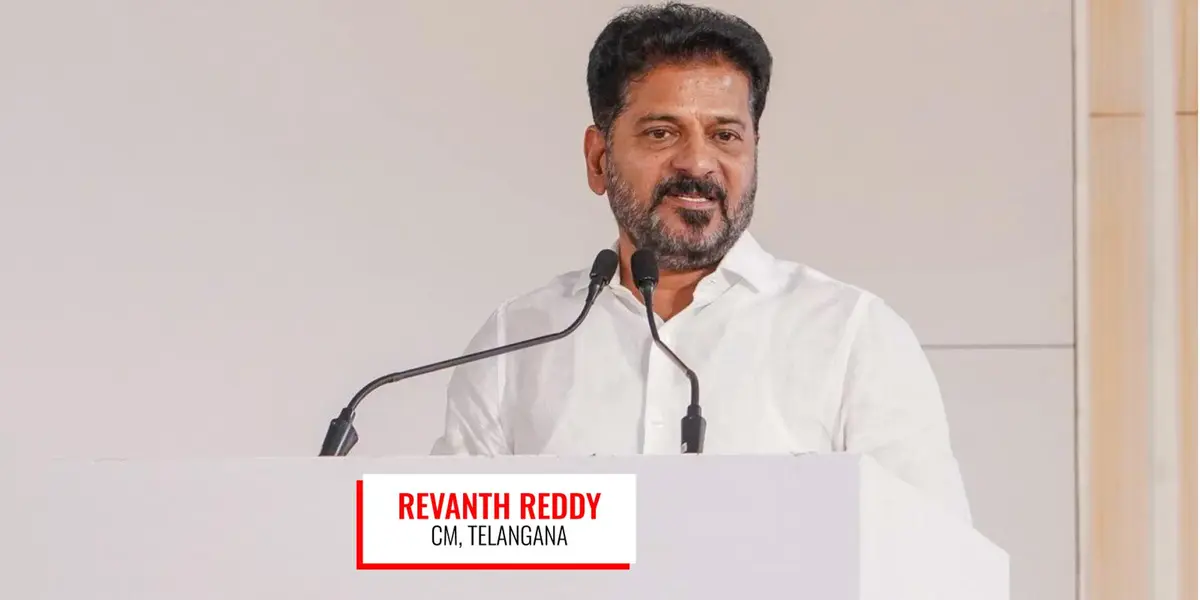
Deputy Prime Minister and Minister of Science and ICT Bae Kyung-hoon presented the effort during a policy briefing led by President Lee Jae Myung.
South Korea Wants A Mythos-Class Security Model
Bae described the project as a way for the country to develop its own model for vulnerability discovery.
The target is a system able to rival Anthropic's Mythos, a model associated with finding software bugs.
The government-led approach adds security-related information to the corpus for a locally developed frontier model.
The security-capable version is expected to debut by the end of the year.
US Access Blocks Shape The Sovereign AI Context
Mythos has already been subject to two US access restrictions.
One required Anthropic to make the model available only to American citizens, which the company could not satisfy, and another order kept federal users from accessing it.
Washington later allowed access again.
The earlier blocks remain the source record for Seoul's concern that critical AI systems for security work could be withheld from foreign governments or agencies.
Another Mythos-like effort is being pursued by private US technology companies.
South Korea's project differs because it is tied to a national model programme and a ministerial policy briefing.
Public AI Services Sit Beside The Security Plan
The security model is not the only AI programme moving through Seoul's policy process.
South Korea has sought bids for a chatbot that would be freely available to residents.
Bae's briefing also covered government uses for AI in real-time fake-news detection and public services.
The presidential session listed those topics separately from the security-model plan.
Details regarding the data used for training, funding level, benchmark evidence, access rules, agency rollout dates, and any plan to share the model beyond government use remain undisclosed.
Summary version for Medium
South Korea Targets Year-End Launch For Security AI Model
What the announcement means beyond the headline
Quick Summary: The Register reported that South Korea is developing a security-focused AI model for sovereign bug-finding capability, with Deputy Prime Minister Bae Kyung-hoon linking the work to Anthropic Mythos. The report did not disclose the training dataset, project budget, benchmarks or deployment terms.
South Korea Wants A Mythos-Class Security Model
Bae described the project as a way for the country to develop its own model for vulnerability discovery. The target is a system able to rival Anthropic's Mythos, a model associated with finding software bugs.
US Access Blocks Shape The Sovereign AI Context
Mythos has already been subject to two US access restrictions.
- Point 1: The central topic is ai, with the announcement framed around concrete operating detail.
- Point 2: One required Anthropic to make the model available only to American citizens, which the company could not satisfy, and another order kept federal users from accessing it.
The important shift is not the AI label, but the operating boundary it creates for teams.
Public AI Services Sit Beside The Security Plan
The security model is not the only AI programme moving through Seoul's policy process. South Korea has sought bids for a chatbot that would be freely available to residents.
Read the Full Deep Dive
Want to explore the complete technical analysis, enterprise trade-offs, and detailed metrics?
Read the full article originally published at SendTech Times