Policy
REGULATION WATCH:

North Carolina Cuts Data Centre Power Tax Break As AI Loads Grow

Newsroom brief

North Carolina repealed a sales tax exemption on data centre electricity while keeping equipment incentives. The North Carolina General Assembly Fiscal Research Division said the repeal would add $21.4 million in fiscal year 2026-27 revenue, while large-load utility rules remain unresolved.
Verified against source materialEdited by SendTech Times Cloud & Infrastructure Desk
North Carolina Cuts Data Centre Power Tax Break As AI Loads Grow
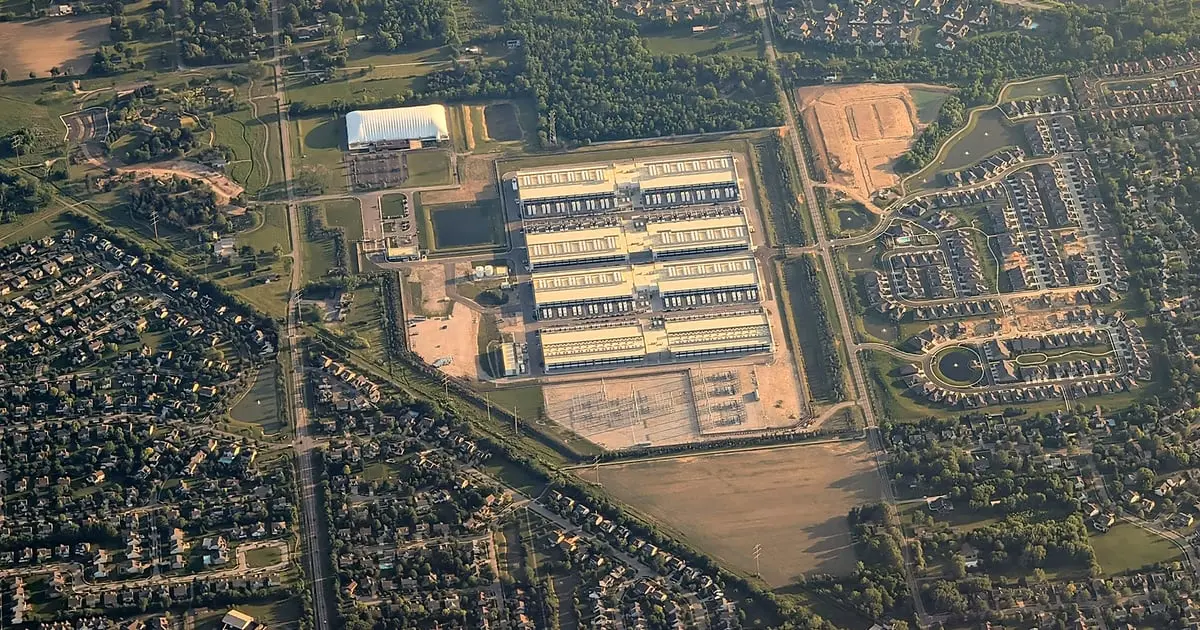
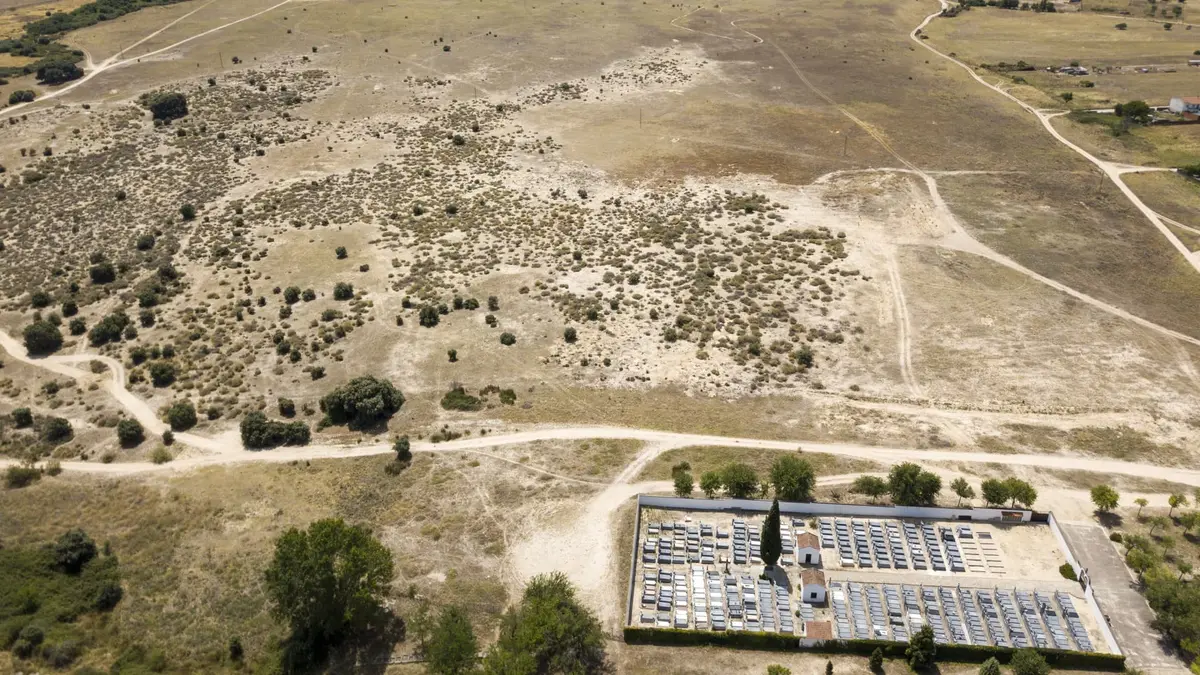
Image source: Data Center Knowledge

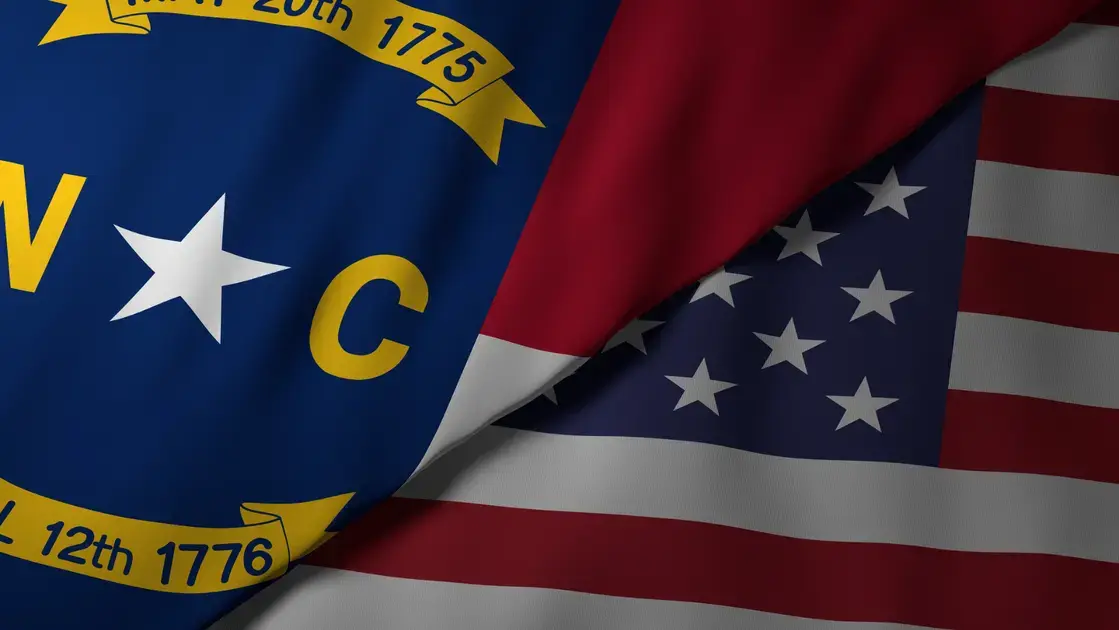
North Carolina has ended a sales tax exemption on data centre electricity purchases, but the state kept capital incentives for qualifying equipment and investment as AI campuses push power policy higher on the agenda.

The North Carolina data centre electricity tax repeal was enacted through Gov.

Josh Stein’s 2026 budget, which highlighted the removal of exemptions for data centres’ electricity use.

The budget leaves in place exemptions for qualifying equipment and other eligible investments.

The North Carolina General Assembly’s Fiscal Research Division said removing the electricity exemption will raise General Fund revenue by $21.4 million in fiscal year 2026-27 and $28.6 million annually by fiscal year 2030-31.

The policy change gives data centre developers a narrower incentive package.

North Carolina is still supporting capital investment, but the repeal removes a subsidy tied to long-term power consumption, a larger operating issue for AI-scale campuses.

North Carolina Ends Electricity Exemption While Keeping Equipment Incentives

Under the budget, qualifying data centres lose the electricity-related sales and use tax break.

Exemptions for qualifying equipment and other capital investments remain under existing statutes, keeping a split between construction incentives and operating-cost support.

The repeal took effect after passage of the state budget.

It changes the recurring cost side of a data centre project without removing the equipment incentive framework that developers can still use for new campuses.

Neil Osnato, founder of Persistence Analytics Group, said the repeal changes economics at the margin, especially for large AI campuses where power is not a minor operating expense.

He said developers still prioritise utility power delivery, transmission support, interconnection timing and durable operating costs.

Osnato also described the change as a sign that states may be less willing to subsidise open-ended electricity consumption while still backing capital investment, equipment, construction and local economic development.

Fiscal Research Division Estimates $21.4 Million First-Year Gain

The Fiscal Research Division estimate gives lawmakers a budget score for the repeal rather than a final answer on data centre power costs.

The state revenue forecast now sits alongside a larger debate over who should bear the cost of new AI power demand.

Lawmakers are still debating broader rules for large-load customers after the budget removed the electricity exemption.

That debate continues because the pending utility bill would address how large power users sign service agreements, not only how they are taxed.

Dan Diorio, vice president of state policy at the Data Centre Coalition, said the electricity exemption had been an important part of the overall data centre sales tax exemption programme.

He said the remaining budget framework still gives data centres certainty to continue investing in North Carolina.

Senate Bill 730 Would Add Large-Load Utility Agreements

North Carolina lawmakers are also considering the proposed Ratepayer Protection Act.

If enacted, the bill would require special utility service agreements for qualifying large-load customers and add requirements for future data centre development.

The pending bill keeps the data centre power debate open after the budget repeal.

The budget has already changed tax treatment for electricity consumption, while the proposed act would address how large loads interact with utilities and ratepayer protections.

The budget action did not include final passage of the Ratepayer Protection Act, a public response from Duke Energy, or a disclosed governor’s-office response beyond the budget statement.

Share this article
inXf

Related articles

More
AI Data Centers Force Utilities To Price Power Queues Before Land Deals
Cloud & Data Centers

AI Data Centers Force Utilities To Price Power Queues Before Land Deals

Utilities and grid-reliability specialists say hyperscale AI campuses are changing how large loads are studied, priced and connected, with FirstEnergy using a two-stage load study and bigger Ohio transmission plans.

Microsoft Says AI Datacentres Drove 25 Percent Emissions Rise
Cloud & Data Centers

Microsoft Says AI Datacentres Drove 25 Percent Emissions Rise

Microsoft said total Scope 1, Scope 2 and Scope 3 emissions rose 25 percent year over year in FY25, driven primarily by datacentre infrastructure expansion. The company matched 100 percent of annual global electricity consumption with renewable energy, but said AI infrastructure demand for energy, water, land and materials is still outpacing sustainability solutions.

US Bill Would Make Large Data Centers Pay For Grid Upgrades
Cloud & Data Centers

US Bill Would Make Large Data Centers Pay For Grid Upgrades

The Ratepayer Protection Act would push US data centers of 100MW or more to cover generation, transmission and connection costs, moving AI power demand into a federal ratepayer fight.

Lenovo opens Japan liquid cooling lab as AI data centers face power pressure
Cloud & Data Centers

Lenovo opens Japan liquid cooling lab as AI data centers face power pressure

Lenovo Japan opened Neptune Lab for liquid cooled AI infrastructure testing inside MC Digital Realty NRT12 data center in Chiba. The project targets rising AI power density and cooling constraints as Japan AI investment and data center electricity demand grow. The lab lets customers test servers, coolant distribution, racks, networking and monitoring before production deployments.

40 City Mayors Set Data Center Rules For Grids And Water
Cloud & Data Centers

40 City Mayors Set Data Center Rules For Grids And Water

A new Global Pact for Urban Data Centers will guide city permitting talks as mayors try to manage data center growth around power, water, local communities and infrastructure costs.

AI Data Centers Face Heat And Severe Weather Costs As Buildouts Move Beyond Hubs
Cloud & Data Centers

AI Data Centers Face Heat And Severe Weather Costs As Buildouts Move Beyond Hubs

CNBC reports that severe weather now drives a third of Zurich’s U.S. data center builders’ risk losses, while new AI data-center construction moves into markets with grid, roof and cooling exposure.

Keep Reading

More Stories

Latest
e& Sells Vodafone Stake For $5.95 Billion Without Naming Cash UseEconomyJul 11, 2026e& Sells Vodafone Stake For $5.95 Billion Without Naming Cash Usee& agreed to sell its full 16.21 per cent Vodafone stake to Vega for $5.95 billion, ending its board-level investment in the British telecoms group. The UAE company expects roughly Dh4.7 billion in net cash return but did not name the institutions holding the shares before completion or a specific use of proceeds.SK hynix Memristor AI Chip Shows 21.3 TOPS/W But Leaves Throughput GapChips & SemiconductorsJul 11, 2026SK hynix Memristor AI Chip Shows 21.3 TOPS/W But Leaves Throughput GapSK hynix, TetraMem and USC researchers developed a 65 nm memristor-based in-memory computing chip for edge AI. The paper listed 21.3 TOPS/W at 100 MHz, but the demonstration left four of 10 NPUs idle and did not disclose full-chip saturated throughput.Metaplanet Studies Bitcoin-Backed Digital Bonds With JPYC And ProgmatFintech & Digital PaymentsJul 11, 2026Metaplanet Studies Bitcoin-Backed Digital Bonds With JPYC And ProgmatMetaplanet is studying Bitcoin-backed digital credit products with JPYC, Progmat and a securities unit under Project Nova. The company linked the work to its JPY 2.1 billion Siiibo Securities acquisition, but said no issuance decision has been made and its 43,000 BTC treasury is not pledged.Burjeel Sukuk Draws $1.6 Billion Order Book For AI Healthcare PlansCapital & PolicyJul 10, 2026Burjeel Sukuk Draws $1.6 Billion Order Book For AI Healthcare PlansBurjeel Holdings listed a $500 million sukuk on the London Stock Exchange after a $1.6 billion order book, but did not name the AI healthcare projects or digital budget tied to the proceeds.IBM Bob Adds Multi-Agent AI Controls For Legacy Software WorkAIJul 10, 2026IBM Bob Adds Multi-Agent AI Controls For Legacy Software WorkIBM has expanded Bob with multi-agent coordination, Bobalytics cost analytics and premium IBM Z, IBM i and Java workflows, while customer performance claims still lack independent benchmark detail.SK Hynix Nasdaq Debut Raises $26.5 Billion For AI Memory CapacityChips & SemiconductorsJul 10, 2026SK Hynix Nasdaq Debut Raises $26.5 Billion For AI Memory CapacityTech Wire Asia said SK Hynix is raising about $26.5 billion through a Nasdaq listing to fund Korean fabs and packaging capacity, while also flagging a 200% share run and memory-cycle risk.Injective SDK npm Compromise Exposes Wallet-Key Theft RiskCybersecurityJul 10, 2026Injective SDK npm Compromise Exposes Wallet-Key Theft RiskSocket, Ox Security and StepSecurity said they detected wallet-stealing code in @injectivelabs/sdk-ts npm package version 1.20.21 after an Injective Labs contributor account was compromised. Socket said the malicious release was downloaded 310 times before deprecation, while Ox Security counted 87 direct dependencies and described a six-figure cumulative download count across dependent packages.SEC Novel ETF Review Draws Early Pushback Over Prediction MarketsFintech & Digital PaymentsJul 10, 2026SEC Novel ETF Review Draws Early Pushback Over Prediction MarketsThe SEC is asking whether novel ETFs should be allowed to move further into cryptocurrencies and prediction markets. Early commenters warned against event-contract ETFs, while Roundhill, Bitwise and GraniteShares proposals remain unresolved.Morgan Stanley Sees AI Capital Rotation Towards HyperscalersCapital & PolicyJul 10, 2026Morgan Stanley Sees AI Capital Rotation Towards HyperscalersEconomy Middle East cited IDC's forecast for semiconductor revenue to reach $1.29 trillion in 2026 and said Morgan Stanley sees AI-market leadership rotating from chipmakers towards hyperscalers. The article did not disclose Morgan Stanley's index levels, portfolio weights, hyperscaler capex assumptions or customer-level AI return evidence.Intel Dunlow Manifests Point To 28-Core Nova Lake-S Xeon PlatformChips & SemiconductorsJul 10, 2026Intel Dunlow Manifests Point To 28-Core Nova Lake-S Xeon PlatformTom's Hardware reported that NBD shipment manifests point to an Intel Dunlow workstation and entry-server platform with up to 28 cores, LGA1954 packaging, dual-channel memory and 95W processor base power. The details remain pre-launch documentation, and Intel has not confirmed launch dates, pricing, core mix or customers.MAS Proposes Three-Week Route For Repeat Singapore Retail FundsCapital & PolicyJul 10, 2026MAS Proposes Three-Week Route For Repeat Singapore Retail FundsMAS is consulting on an Alternative Funds Appendix for Singapore retail fund products. The regulator said most new fund categories could take about three months to assess, while later funds of the same type could be authorised within three weeks.AWS GraphRAG Deployment Claims 87 Percent Drug Research Cycle CutAIJul 10, 2026AWS GraphRAG Deployment Claims 87 Percent Drug Research Cycle CutAI News reported an AWS GraphRAG deployment that cut drug research cycles by 87 percent and moved six-month discovery work to three weeks. The account did not name customers, publish benchmark methodology or disclose Bedrock token costs.