SEC Novel ETF Review Draws Early Pushback Over Prediction Markets
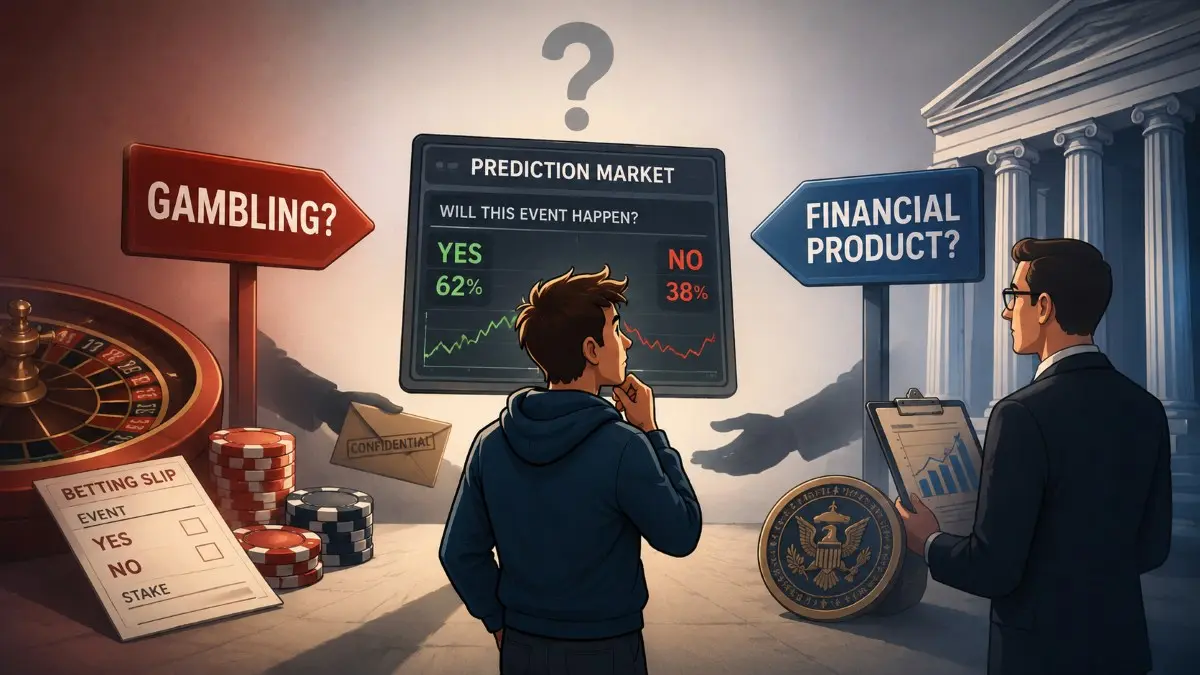
The SEC is asking whether novel ETFs should be allowed to move further into cryptocurrencies and prediction markets. Early commenters warned against event-contract ETFs, while Roundhill, Bitwise and GraniteShares proposals remain unresolved.
The SEC said in its June 30 request that it is asking how far exchange-traded fund rules should stretch towards prediction markets, while early public comments in the SEC file warn that event-contract exposure could bring speculative wagering into ordinary brokerage accounts.
The SEC novel ETF prediction markets review opened on June 30 and runs until the end of August, but early comments cited by the filing record are mostly cautious.
SEC Comment Request Covers Prediction Market ETFs
The Securities and Exchange Commission asked for public feedback on novel exchange-traded funds, including products that invest in innovative asset classes or use new investment strategies.
The request includes questions about whether ETF structures should expand further into cryptocurrencies and prediction markets linked to platforms such as Kalshi and Polymarket.
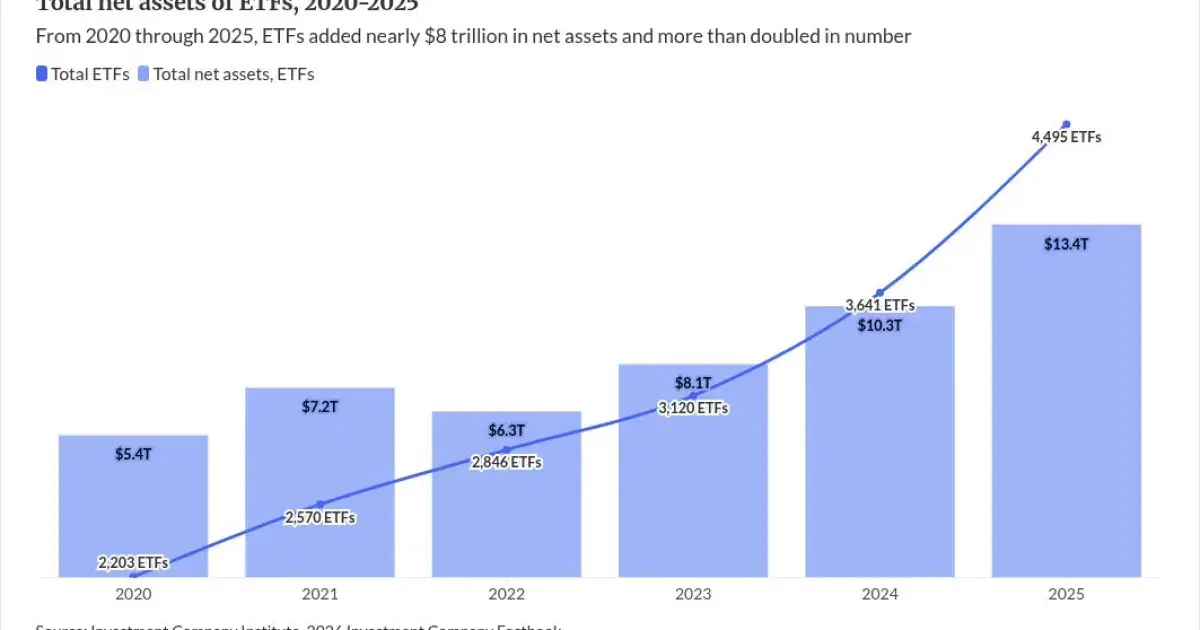
The agency said in its request that ETF assets rose from $4 trillion in 2019 to more than $12 trillion by year-end 2025.
That growth is part of the reason the regulator is reviewing whether the current registration and review process can handle increasingly complex products.
The SEC has not approved a general path for prediction-market ETFs.
The SEC said its request asks whether novel funds should be subject to the Investment Company Act of 1940 and whether Rule 6c-11 needs changes for risks around liquidity, valuation and leverage.
Early SEC Commenters Object To Event-Contract Exposure
The first comments described in the public file are sceptical of bringing event contracts into the ETF wrapper.
Tim Thompson, commenting through the SEC form, wrote that ETFs should not be allowed for speculative events and asked the regulator not to permit ETFs based on event contracts.
Another respondent, JoAnn Dolan, told the SEC that novel ETFs could expose a broader number of investors to greater financial risk.
Her comment described the risk as moving market investment closer to an investment casino.
The early opposition is narrow in volume, because the comment period has only recently opened.
It still gives the SEC a preview of the consumer-protection argument around prediction-market exposure: an ETF wrapper could make event contracts available through familiar brokerage systems, not only through specialised trading venues.
Roundhill Filing Pushed The ETF Question Into Review
The prediction-market issue became concrete after Roundhill Investments filed in February to register six novel ETFs based on presidential and congressional election results.
In May, SEC Chair Paul Atkins requested a pause, saying the proposed ETFs raised novel questions.
The agency has also delayed action on proposals from Bitwise and GraniteShares that involve prediction-market exposure in ETFs.
Atkins then asked the public for input, saying ETF innovation depends on a consistent, transparent and efficient regulatory framework.
Brian Daly, director of the SEC Division of Investment Management, said public engagement is needed to answer key questions for the next years of ETF development.
The regulator's request therefore sits between two goals: allowing product innovation and deciding how much event-contract risk can be packaged for mainstream investors.
Morningstar Critic Criticises Prediction Market ETF Exposure
The debate has also moved beyond the SEC comment portal.
Morningstar's Jeffrey Ptak argued in an op-ed against allowing prediction markets near ETFs and told Financial Planning that the concept looked like a misguided solution in search of a problem.
Ptak said leveraged ETFs at least reference securities or baskets with some fundamental value.
He said prediction-market ETFs would reference events with no economic value and would be zero-sum, adding that wider ETF participation may produce information from odds-making only at the cost of further financialising wagering.
Not every response opposed new structures.
Neil P. Osnato, founder of Persistence Analytics Group, told the SEC that the goal should be to ensure investors can understand and verify the exposure they are buying, not to prevent every new ETF structure from reaching the market.
The SEC has not named a final decision date, approved the Roundhill election-result ETFs, resolved the Bitwise or GraniteShares proposals, or published final rules for prediction-market exposure inside ETFs.
Summary version for Medium
SEC Novel ETF Review Draws Early Pushback Over Prediction Markets
What the move signals for regulated finance and digital payments
Quick Summary: The SEC is asking whether novel ETFs should be allowed to move further into cryptocurrencies and prediction markets. Early commenters warned against event-contract ETFs, while Roundhill, Bitwise and GraniteShares proposals remain unresolved.
SEC Comment Request Covers Prediction Market ETFs
The Securities and Exchange Commission asked for public feedback on novel exchange-traded funds, including products that invest in innovative asset classes or use new investment strategies. The request includes questions about whether ETF structures should expand further into cryptocurrencies and prediction markets linked to platforms such as Kalshi and Polymarket.
Early SEC Commenters Object To Event-Contract Exposure
The first comments described in the public file are sceptical of bringing event contracts into the ETF wrapper.
- Point 1: The central topic is fintech-digital-payments, with the announcement framed around concrete operating detail.
- Point 2: Tim Thompson, commenting through the SEC form, wrote that ETFs should not be allowed for speculative events and asked the regulator not to permit ETFs based on event contracts.
The useful takeaway is the operating constraint behind the announcement, not the announcement alone.
Roundhill Filing Pushed The ETF Question Into Review
The prediction-market issue became concrete after Roundhill Investments filed in February to register six novel ETFs based on presidential and congressional election results. In May, SEC Chair Paul Atkins requested a pause, saying the proposed ETFs raised novel questions.
Read the Full Deep Dive
Want to explore the complete technical analysis, enterprise trade-offs, and detailed metrics?
Read the full article originally published at SendTech Times