Memory Prices Push US PC Shipments Down 7%
Omdia data cited by Tom Hardware showed US PC shipments fell to 15.8 million units in the first quarter of 2026, as memory and storage chip shortages hit entry-level laptops and pushed the market toward a forecast 14.4% contraction.
US PC Shipments Fall To 15.8 Million Units
US PC shipments fell to 15.8 million units in the first quarter of 2026, down 7% from a year earlier, according to Omdia data cited by Tom Hardware.
The drop was described as the sharpest quarterly decline since the third quarter of 2023.
The reported cause was not only weaker consumer demand.
Omdia reported that supply shortages and price increases for memory and storage chips contributed to the decline, while the earlier Windows 11 refresh cycle and tariff concerns lifted shipments last year and left fewer orders in the current period.
The Omdia data shows memory and storage pricing as part of the PC affordability problem.
Entry-level machines depend on cheap DRAM and storage, so component inflation can move budget laptops out of the price band that schools, families and small businesses normally target.
Budget Laptops Carry The Hardest Decline
According to Omdia data cited by Tom Hardware, the overall PC industry could contract 14.4% this year, while sub-$500 unit shipments fell 18.7% year-on-year in the first quarter of 2026.
The pressure is linked to the bill of materials.
The same report cited a projection that memory could account for 23% of a computer's bill of materials by 2028, up from 16% last year.
That shift is most visible in cheaper laptops, where a small component-price increase can erase the margin or force a higher retail price.
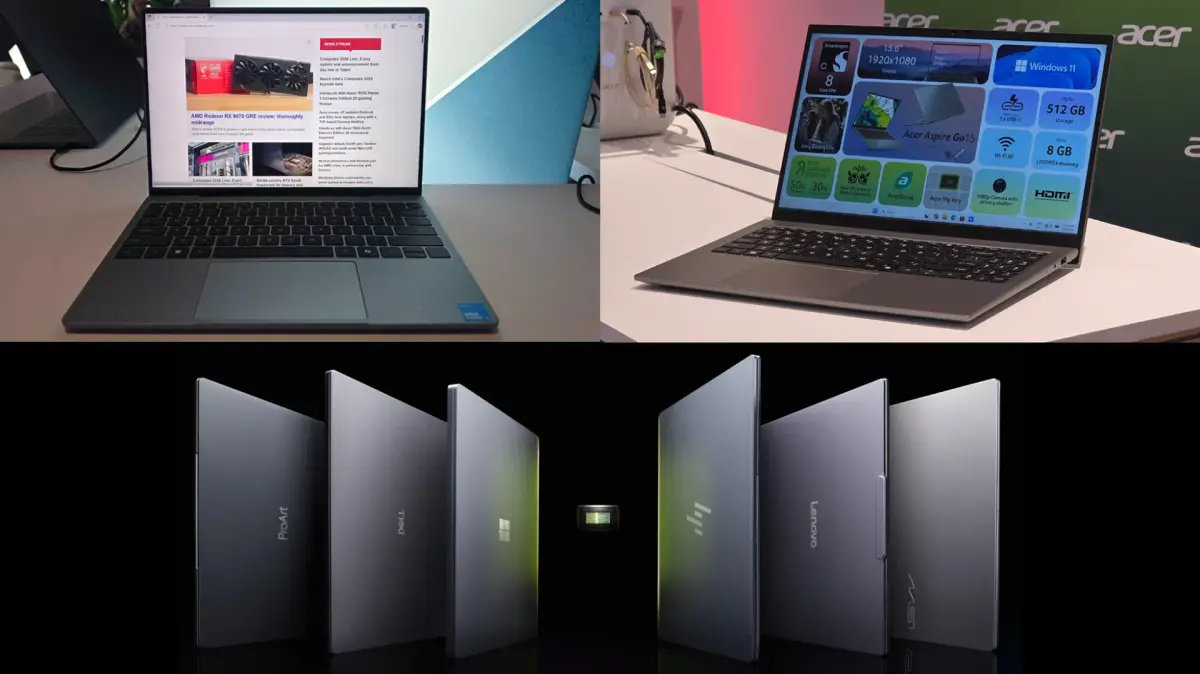
Apple's MacBook Neo shows the same price sensitivity.
Tom Hardware said Apple launched the device earlier this year at $599, or $499 for students, before later raising the price to $699.
Dell also released a competing budget model using Intel Core Series 3 processors, but the report said those systems were often priced above the $500 threshold.
Education Demand Faces A 28.8% Forecast Drop
Consumer PC shipments are expected to shrink 11.2% this year, while government orders are forecast to fall 12.4% and commercial and enterprise deliveries by 13.3%.
Omdia reported that education is the weakest segment in its figures, with shipments projected to drop 28.8% this year.
Vendor performance was mixed.
Dell and Lenovo grew 1.1% and 1.2%, respectively, helped by consumer sales.
Omdia reported declines for HP, Acer and Apple, with shipment drops of 21.6%, 5.4% and 1.6%.
The vendor split shows that the weakness is not uniform across the PC market.
Consumer demand helped two suppliers, while education and entry-level systems remained exposed to component costs and tighter school-device budgets during the current buying cycle.
That pattern leaves chip buyers and PC makers managing the same constraint from different ends of the supply chain.
The Omdia figures show how memory and storage pricing can affect more than component suppliers.
A weaker entry-level PC market changes the addressable base for Windows refreshes, classroom devices and low-cost AI PCs.
Omdia did not disclose a recovery date for sub-$500 shipments, a confirmed memory-price peak, or a timetable for budget laptop prices to return to last year's levels.
Summary version for Medium
Memory Prices Push US PC Shipments Down 7%
Why this hardware shift matters for AI and compute buyers
Quick Summary: Omdia data cited by Tom Hardware showed US PC shipments fell to 15.8 million units in the first quarter of 2026, as memory and storage chip shortages hit entry-level laptops and pushed the market toward a forecast 14.4% contraction.
US PC Shipments Fall To 15.8 Million Units
US PC shipments fell to 15.8 million units in the first quarter of 2026, down 7% from a year earlier, according to Omdia data cited by Tom Hardware. The drop was described as the sharpest quarterly decline since the third quarter of 2023.
Budget Laptops Carry The Hardest Decline
According to Omdia data cited by Tom Hardware, the overall PC industry could contract 14.4% this year, while sub-$500 unit shipments fell 18.7% year-on-year in the first quarter of 2026.
- Point 1: The central topic is chips-semiconductors, with the announcement framed around concrete operating detail.
- Point 2: The pressure is linked to the bill of materials.
The important shift is not the AI label, but the operating boundary it creates for teams.
Education Demand Faces A 28.8% Forecast Drop
Consumer PC shipments are expected to shrink 11.2% this year, while government orders are forecast to fall 12.4% and commercial and enterprise deliveries by 13.3%. Omdia reported that education is the weakest segment in its figures, with shipments projected to drop 28.8% this year.
Read the Full Deep Dive
Want to explore the complete technical analysis, enterprise trade-offs, and detailed metrics?
Read the full article originally published at SendTech Times