OCC Public Denials Raise Charter Risk For Fintech Applicants
The OCC plans to publish charter denial decisions, giving fintech and digital-banking applicants clearer examples of why filings fail. The guidance also raises the reputational cost of applying before governance, compliance and risk systems are ready.
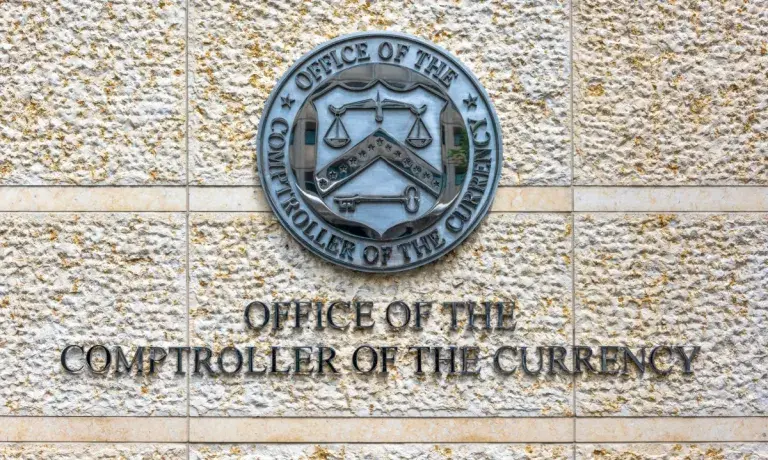
OCC Plans Public Charter Denial Decisions
The Office of the Comptroller of the Currency plans to publish charter denial decisions, making failed applications examples that fintechs, digital-banking organisers and investors can review.
The agency clarified how it will process filings under existing licensing regulations, including applications for de novo national bank charters.
The change gives applicants clearer evidence of how the OCC applies legal and supervisory standards, but it also makes weak filings harder to keep private.
The guidance arrives as interest in new bank charters has started to return after several quieter years.
The OCC has more than a dozen digital-asset licensing applications listed as pending.
A national charter can give an institution a single federal supervisory framework and may expand lending or deposit capabilities, depending on the business model and approvals.
Applicants Need Governance Before Review
The OCC expects applicants to arrive with enough information for regulators to evaluate statutory and regulatory requirements at the start of the process.
De novo organisers are expected to define proposed products and services, explain how those services will operate, and show that governance, risk management and compliance systems can support the plan.
That standard matters to fintech firms that want bank-like authority but have built their business through partnerships, licences or programme-manager arrangements.
Charter status can reduce dependence on partner banks, but it also moves capital, corporate governance, compliance management, operational resilience and risk oversight under direct supervisory expectations.
Rodney E.
Hood, a former acting comptroller, said applicants want to provide 21st-century solutions to clients and customers.
The OCC guidance makes the readiness test more visible before an applicant spends time and money on a filing.
Public Rejections Add Investor Pressure
Publishing denials could create a practical body of examples for future applicants.
Banks, fintechs, investors and advisers would be able to see why a proposal failed and adjust governance, capital planning or product design before filing.
The OCC also said a denial does not prevent an applicant from returning with a revised proposal.
The same transparency adds risk.
A denial would no longer be only a private regulatory outcome; it could become part of a firm’s public record and be visible to investors, business partners and competitors.
The OCC did not identify which pending digital-asset or fintech charter applications could be affected first, or when the first public denial decision will be released.
Summary version for Medium
OCC Public Denials Raise Charter Risk For Fintech Applicants
What the move signals for regulated finance and digital payments
Quick Summary: The OCC plans to publish charter denial decisions, giving fintech and digital-banking applicants clearer examples of why filings fail. The guidance also raises the reputational cost of applying before governance, compliance and risk systems are ready.
OCC Plans Public Charter Denial Decisions
The Office of the Comptroller of the Currency plans to publish charter denial decisions, making failed applications examples that fintechs, digital-banking organisers and investors can review. The agency clarified how it will process filings under existing licensing regulations, including applications for de novo national bank charters.
Applicants Need Governance Before Review
The OCC expects applicants to arrive with enough information for regulators to evaluate statutory and regulatory requirements at the start of the process.
- Point 1: The central topic is fintech-digital-payments, with the announcement framed around concrete operating detail.
- Point 2: De novo organisers are expected to define proposed products and services, explain how those services will operate, and show that governance, risk management and compliance...
The headline matters only if the approval path, compliance burden and operating limits line up.
Public Rejections Add Investor Pressure
Publishing denials could create a practical body of examples for future applicants. Banks, fintechs, investors and advisers would be able to see why a proposal failed and adjust governance, capital planning or product design before filing.
Read the Full Deep Dive
Want to explore the complete technical analysis, enterprise trade-offs, and detailed metrics?
Read the full article originally published at SendTech Times