Google Says AI Demand Is Outrunning Grid Decarbonisation
Google said its electricity demand climbed 37% in 2025 and has grown more than 250% since 2019 as AI and cloud infrastructure expanded. The company also cited 1 GW of demand-response capacity and more than 12 GW of new clean generation deals, but did not disclose what share of its total computing load can shift during grid stress.
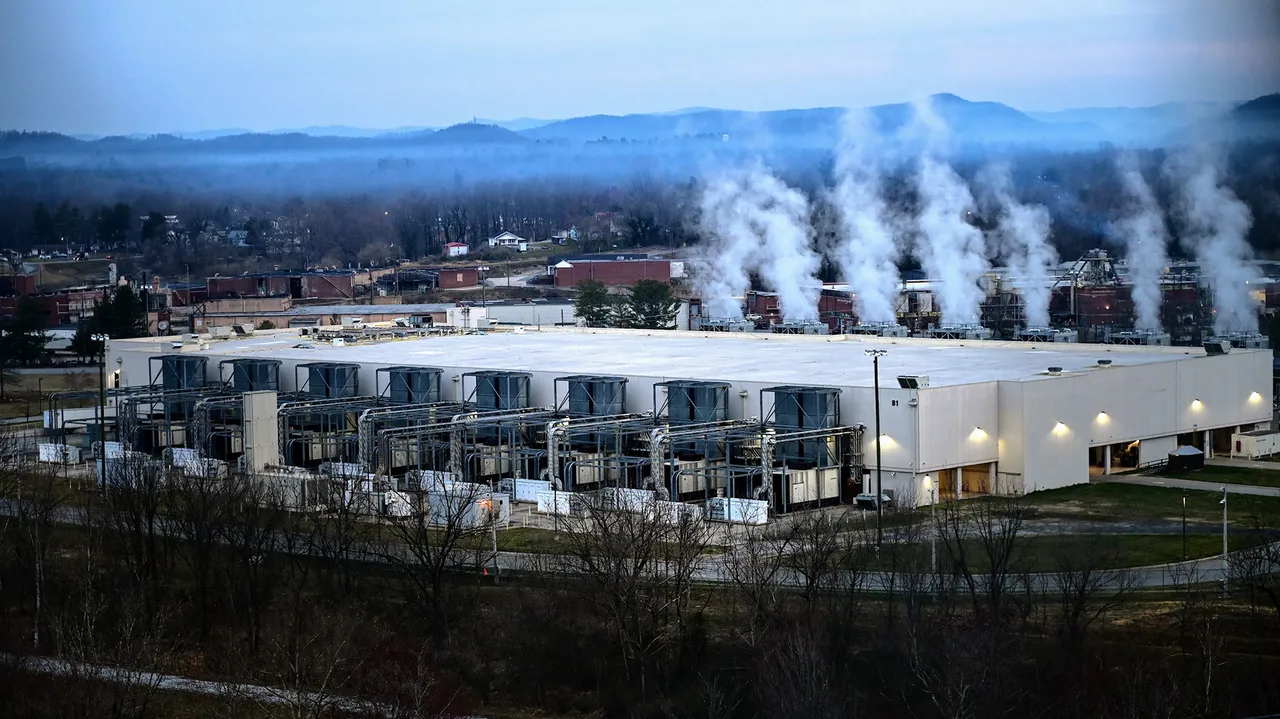
Google Reports 37% Electricity Demand Growth
Google said AI infrastructure is expanding faster than electricity grids are decarbonising, putting hyperscale computing demand ahead of the pace of new clean-energy infrastructure.
Google said in its 2026 Environmental Report that utilities, regulators and grid operators are examining large-load interconnections, transmission constraints and the availability of firm generation for data centres.
Google said its electricity demand climbed 37% during 2025, the largest annual increase in its history.
Since 2019, the company said total electricity demand has grown more than 250% as it expanded infrastructure for AI products and cloud services.
Renewable Matching Does Not Solve Hourly Power
Google said renewable-energy purchases equaled 100% of its annual worldwide electricity consumption for a ninth consecutive year.
It also said operational emissions fell 2% after additional clean-energy buying and infrastructure-efficiency work.
The company also said annual matching is different from its longer-term goal of operating on carbon-free electricity every hour of every day.
It identified interconnection queues, permitting delays, transmission constraints and shortages of firm carbon-free generation as barriers to that goal.
Ihab Osman, an independent strategist focused on data centre and mission-critical infrastructure, said annual renewable buying does not prove firm clean electricity will be available at the precise grid node and hour when data centres need it.
Flexible Load Adds A Grid Tool
Google said machine-learning jobs can be moved away from peak grid-stress periods while customer-facing services stay online.
Google said that by early 2026 it had added approximately 1 GW of demand-response capacity to long-term utility agreements in the United States.
The company said flexible computing loads can improve grid utilisation and support faster interconnection of new data centre capacity.
Google left two details outside the public record: the portion of total compute represented by 1 GW and the operating process used to move that load.
Ahmad Faruqui, an economist-at-large specialising in electricity markets and demand response, said utilities need to know what percentage of grid peak demand and data-center peak demand the 1 GW represents before judging the claim.
Google said it has also asked FERC for market rules that would let flexible computing demand react to live grid conditions under the framework of Order 2222.
Faruqui said public evidence on data-center load flexibility remains limited.
Clean Generation Deals Still Need Grid Delivery
Google said its fleet-wide data centre power usage effectiveness averaged 1.09 during 2025.
For Gemini Apps text prompts, Google cited a 33-times energy reduction and a 44-fold carbon-footprint reduction over 12 months, attributing the change to hardware, software and model improvements.
Those efficiency gains have not offset the company’s rising electricity demand.
Google said that during 2025 it secured more than 12 GW of net-new clean generation, exceeding the total from the prior two years combined.
It said AI-driven electricity demand will require advanced nuclear, geothermal, natural gas with carbon capture, energy storage and demand response.
Google did not disclose the share of total compute that can move during grid stress, the operating method behind its 1 GW demand-response figure, or a timetable for closing the gap between AI infrastructure growth and hourly carbon-free power.
Summary version for Medium
Google Says AI Demand Is Outrunning Grid Decarbonisation
Why Google Says AI Demand matter now for cloud infrastructure teams
Quick Summary: Google said its electricity demand climbed 37% in 2025 and has grown more than 250% since 2019 as AI and cloud infrastructure expanded. The company also cited 1 GW of demand-response capacity and more than 12 GW of new clean generation deals, but did not disclose what share of its total computing load can shift during grid stress.
Google Reports 37% Electricity Demand Growth
Google said AI infrastructure is expanding faster than electricity grids are decarbonising, putting hyperscale computing demand ahead of the pace of new clean-energy infrastructure. Google said in its 2026 Environmental Report that utilities, regulators and grid operators are examining large-load interconnections, transmission constraints and the availability of firm generation for data centres.
Renewable Matching Does Not Solve Hourly Power
Google said renewable-energy purchases equaled 100% of its annual worldwide electricity consumption for a ninth consecutive year.
- Point 1: The central topic is cloud-data-centers, with the announcement framed around concrete operating detail.
- Point 2: It also said operational emissions fell 2% after additional clean-energy buying and infrastructure-efficiency work.
The important shift is not the AI label, but the operating boundary it creates for teams.
Flexible Load Adds A Grid Tool
Google said machine-learning jobs can be moved away from peak grid-stress periods while customer-facing services stay online. Google said that by early 2026 it had added approximately 1 GW of demand-response capacity to long-term utility agreements in the United States.
Read the Full Deep Dive
Want to explore the complete technical analysis, enterprise trade-offs, and detailed metrics?
Read the full article originally published at SendTech Times