Meta Board Weighs Iran Influence Posts Left Online
Meta’s Oversight Board may examine whether Facebook and Instagram should have removed two pro-Iran posts that users flagged as possible co-ordinated inauthentic behaviour tied to state-sponsored influence operations.
Oversight Board May Review Two Iran-Linked Posts
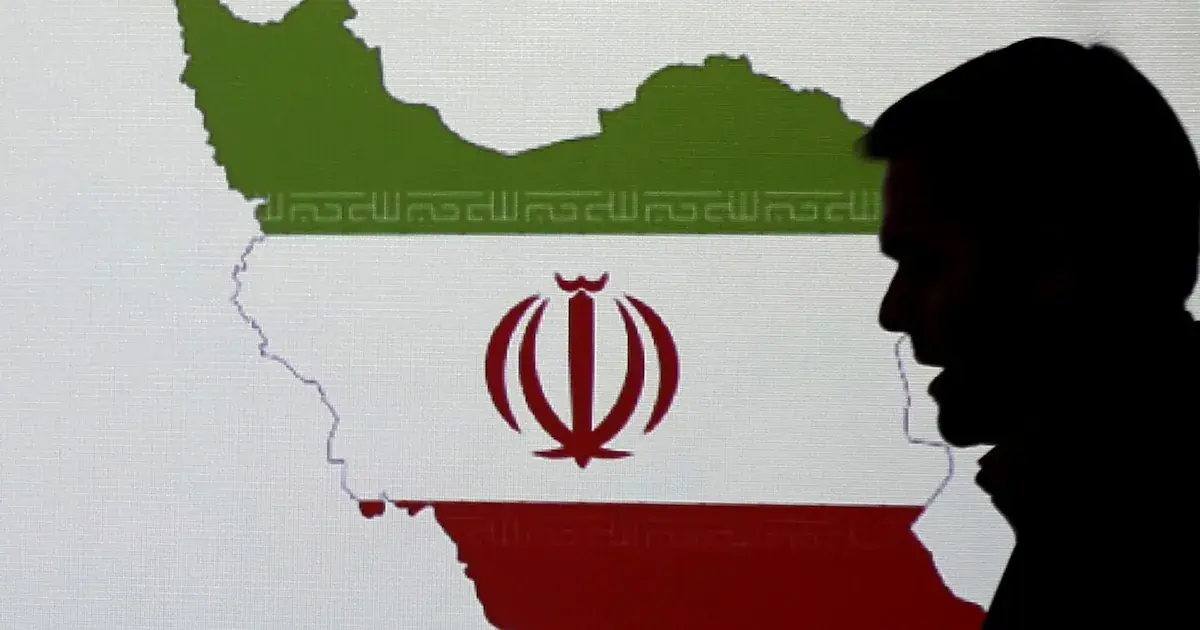
Meta’s Oversight Board is considering whether to investigate how Facebook and Instagram handled two posts supportive of Iran's ruling regime, after users flagged the content as possible co-ordinated inauthentic behaviour.
The independent board said the posts came from two accounts with a code in their usernames associated with a pro-Iranian hacking group.
Both accounts were created only two months before the content appeared, a timing detail the board treated as part of the possible influence-operation pattern.
One post showed a man in military clothing calling for calm and patience while the US was bombing parts of Iran in June 2025.
The second post, published in January as protests spread in Iran, showed a motorcycle convoy carrying Iranian security personnel and included a caption pledging devotion to the country and regime.
The board may decide whether Meta was right to leave the material online.
That turns the case into a platform-governance test about political speech, state-linked influence signals and the threshold for removing content before an investigation is complete.
Meta Faces A State-Linked Influence Test
Meta created the Oversight Board in 2018 to give users an independent path after they exhaust company appeals.
The board's possible Iran inquiry would sit inside that wider system, but the facts are narrower than a general content-moderation debate.
The board was created after inauthentic content from Russia appeared in user feeds before the 2016 US presidential election.
That earlier episode led to congressional investigations and testimony by Meta chief executive Mark Zuckerberg in Washington, giving the current review process a direct connection to election-era platform accountability.
The posts were not ordinary political commentary in the board's description.
The board pointed to account-age, username-code and content signals that may indicate an online influence operation.
Meta's moderation record will be judged against those specific signals if the board opens the case.
The case also shows the operating burden for large social platforms during geopolitical conflict.
A platform must decide quickly whether content is newsworthy, political speech, propaganda, or part of an organised influence campaign.
The board process can review those decisions later, but public content decisions often happen while a crisis is still unfolding.
Public Comments Could Shape The Case
The Oversight Board is seeking public comments before deciding whether to take the case.
If it opens a full review, the case could clarify how Meta should weigh state-linked account signals, protest-related content and possible co-ordinated behaviour when deciding whether to leave posts online.
The review would not be a direct cyber incident report.
It would instead test Meta's governance process for content that users linked to state-sponsored influence operations and accounts associated with a pro-Iranian hacking group.
The same reporting cites wider Iran-linked digital activity, including internet shutdowns during protests and strikes, a YouTube suspension in April over deceptive pro-Iran videos, and Handala activity involving the FBI director's personal email account.
Meta has not disclosed a final board case decision, enforcement change, takedown order, reach data for the posts, account ownership evidence, or a public finding that the two accounts were part of a confirmed state operation.
Summary version for Medium
Meta Board Weighs Iran Influence Posts Left Online
What the announcement means beyond the headline
Quick Summary: Meta’s Oversight Board may examine whether Facebook and Instagram should have removed two pro-Iran posts that users flagged as possible co-ordinated inauthentic behaviour tied to state-sponsored influence operations.
Oversight Board May Review Two Iran-Linked Posts
Meta’s Oversight Board is considering whether to investigate how Facebook and Instagram handled two posts supportive of Iran's ruling regime, after users flagged the content as possible co-ordinated inauthentic behaviour. The independent board said the posts came from two accounts with a code in their usernames associated with a pro-Iranian hacking group.
Meta Faces A State-Linked Influence Test
Meta created the Oversight Board in 2018 to give users an independent path after they exhaust company appeals.
- Point 1: The central topic is gulf-politics, with the announcement framed around concrete operating detail.
- Point 2: The board's possible Iran inquiry would sit inside that wider system, but the facts are narrower than a general content-moderation debate.
The useful takeaway is the operating constraint behind the announcement, not the announcement alone.
Public Comments Could Shape The Case
The Oversight Board is seeking public comments before deciding whether to take the case. If it opens a full review, the case could clarify how Meta should weigh state-linked account signals, protest-related content and possible co-ordinated behaviour when deciding whether to leave posts online.
Read the Full Deep Dive
Want to explore the complete technical analysis, enterprise trade-offs, and detailed metrics?
Read the full article originally published at SendTech Times