Starlink Discounts Memphis Plans Around xAI Data Centre Dispute
SpaceX is offering Starlink discounts near xAI’s Colossus data centres in Memphis and Southaven, while lawsuits and permit disputes keep attention on power, noise and pollution claims around the AI site.
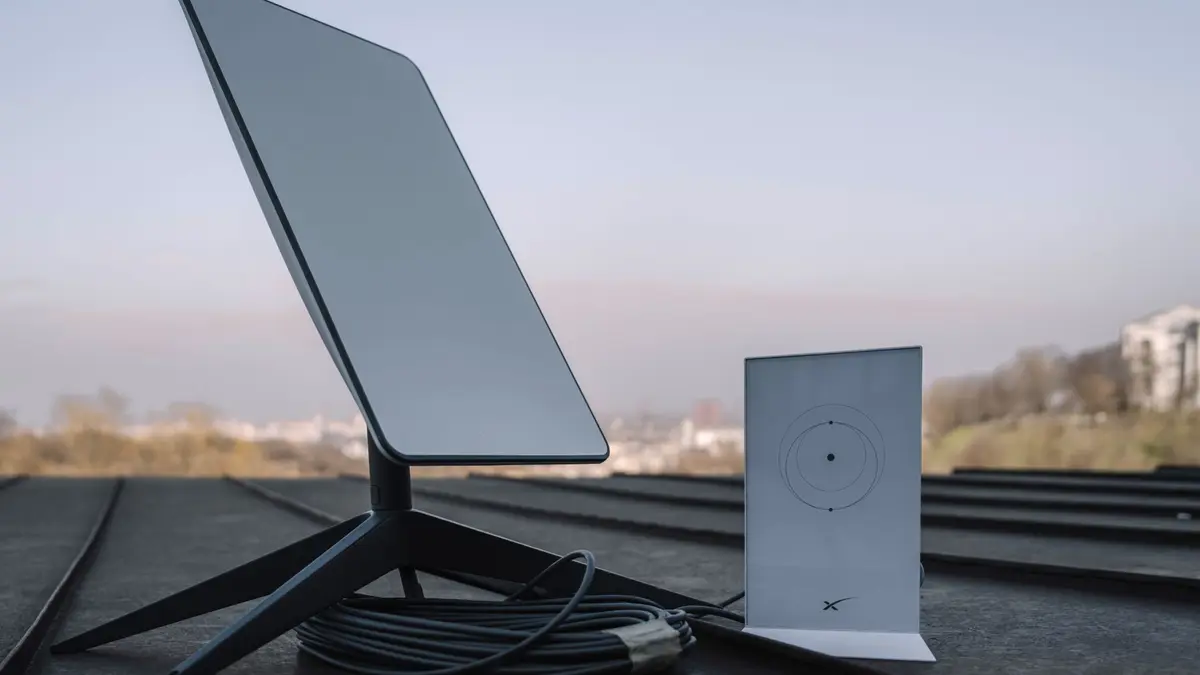
Starlink Discount Targets Colossus Neighbours
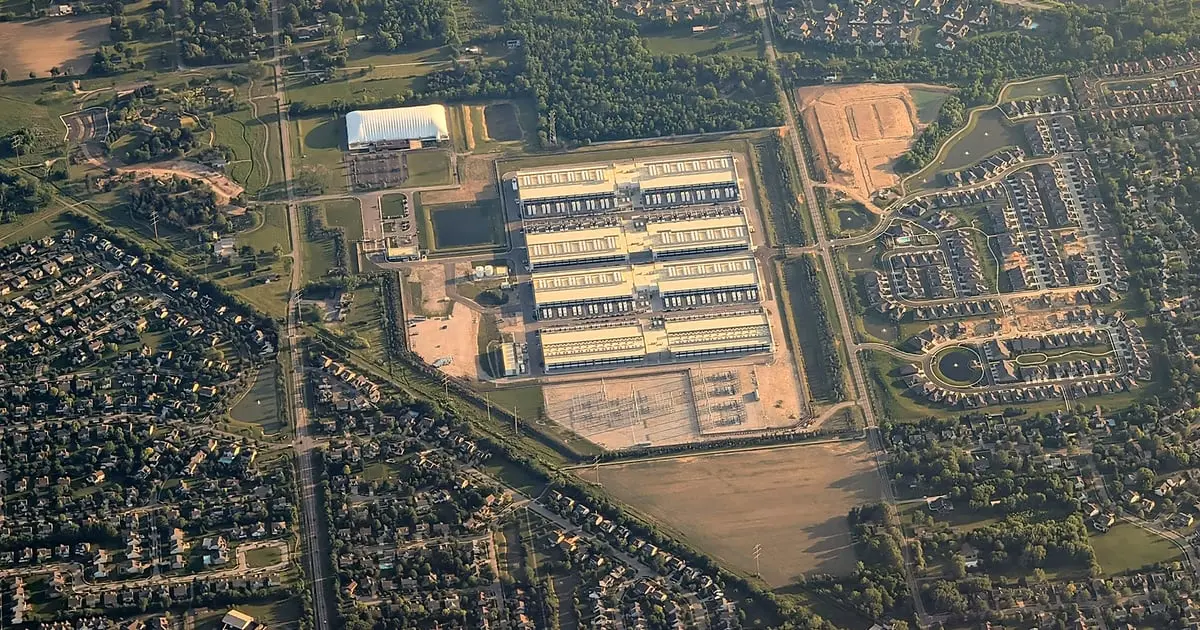
SpaceX is offering a Starlink discount to residents around xAI's Colossus data centres in Memphis and Southaven, Tennessee, putting a consumer broadband offer inside a dispute over AI infrastructure power, noise and local pollution claims.
The Starlink website says eligible addresses receive a 50% discount on plans and a waiver on hardware rental.
The stated pricing moves a 100 Mbps plan from $55 plus a $10 monthly kit fee to $27.50, while the Max plan would fall from $130 plus the $10 hardware rental to $65.
The Max plan is described as offering more than 400+ Mbps.
Michael Nicolls, SpaceX SVP for Starlink, said the Colossus data centres could not be accomplished without support from the Memphis community.
Elon Musk also reposted the offer as half-price Starlink for people in the Memphis region.
The discount uses one Musk-controlled connectivity product to answer criticism around another Musk-controlled infrastructure site.
The offer sits alongside unresolved permits and lawsuits rather than a normal broadband promotion.
Lawsuits Keep Power And Noise Claims In View
The broadband discount does not resolve the legal dispute around the site.
The Southern Environmental Law Center has sued over alleged illegal generators used to run Colossus.
A separate class action was filed last month over near-constant noise and vibrations in surrounding areas.
Amanda Garcia, a senior attorney at SELC, told PCMag that communities in Memphis and North Mississippi were asking xAI to shut down an illegal, unpermitted power plant rather than asking for discounted internet service.
Her quoted criticism named smog-forming nitrogen oxides, fine particulate matter and hazardous chemicals including formaldehyde.
The EPA stated that xAI is not exempt from securing permits for its gas turbine generators.
The U.S. government asked a court to dismiss the lawsuit, arguing in a legal memorandum that shutting down the generators would threaten American national, economic and energy security by cutting power for AI work connected to military operations.
Local Broadband Value Remains Unproven
The offer may help residents without reliable wired internet, but the local broadband comparison weakens the consumer case.
Memphis and Southaven are urban markets, and AT&T and Xfinity are cited with 300 Mbps plans priced between $40 and $45 per month.
That would be about $20 cheaper than the discounted Starlink Max plan.
That gap makes the discount a limited answer to infrastructure opposition.
It lowers Starlink costs for eligible addresses, but it does not address turbine permits, emissions claims, vibration complaints or the power source behind Colossus.
The dispute also shows how AI data-center operators can turn local infrastructure pressure into consumer-facing mitigation.
The discounted service is measurable, with prices and speeds attached, while the harder operating issues remain tied to generators, courts and environmental claims.
That split is why the offer does not settle whether Colossus has a durable local operating model.
SpaceX and xAI still have not disclosed a final permit resolution, a court outcome, a generator shutdown timetable, measured noise reductions, emissions limits, or local adoption figures for the discounted Starlink offer.
Summary version for Medium
Starlink Discounts Memphis Plans Around xAI Data Centre Dispute
Why Starlink Discounts Memphis matter now for cloud infrastructure teams
Quick Summary: SpaceX is offering Starlink discounts near xAI’s Colossus data centres in Memphis and Southaven, while lawsuits and permit disputes keep attention on power, noise and pollution claims around the AI site.
Starlink Discount Targets Colossus Neighbours
SpaceX is offering a Starlink discount to residents around xAI's Colossus data centres in Memphis and Southaven, Tennessee, putting a consumer broadband offer inside a dispute over AI infrastructure power, noise and local pollution claims. The Starlink website says eligible addresses receive a 50% discount on plans and a waiver on hardware rental.
Lawsuits Keep Power And Noise Claims In View
The broadband discount does not resolve the legal dispute around the site.
- Point 1: The central topic is cloud-data-centers, with the announcement framed around concrete operating detail.
- Point 2: The Southern Environmental Law Center has sued over alleged illegal generators used to run Colossus.
The important shift is not the AI label, but the operating boundary it creates for teams.
Local Broadband Value Remains Unproven
The offer may help residents without reliable wired internet, but the local broadband comparison weakens the consumer case. Memphis and Southaven are urban markets, and AT&T and Xfinity are cited with 300 Mbps plans priced between $40 and $45 per month.
Read the Full Deep Dive
Want to explore the complete technical analysis, enterprise trade-offs, and detailed metrics?
Read the full article originally published at SendTech Times