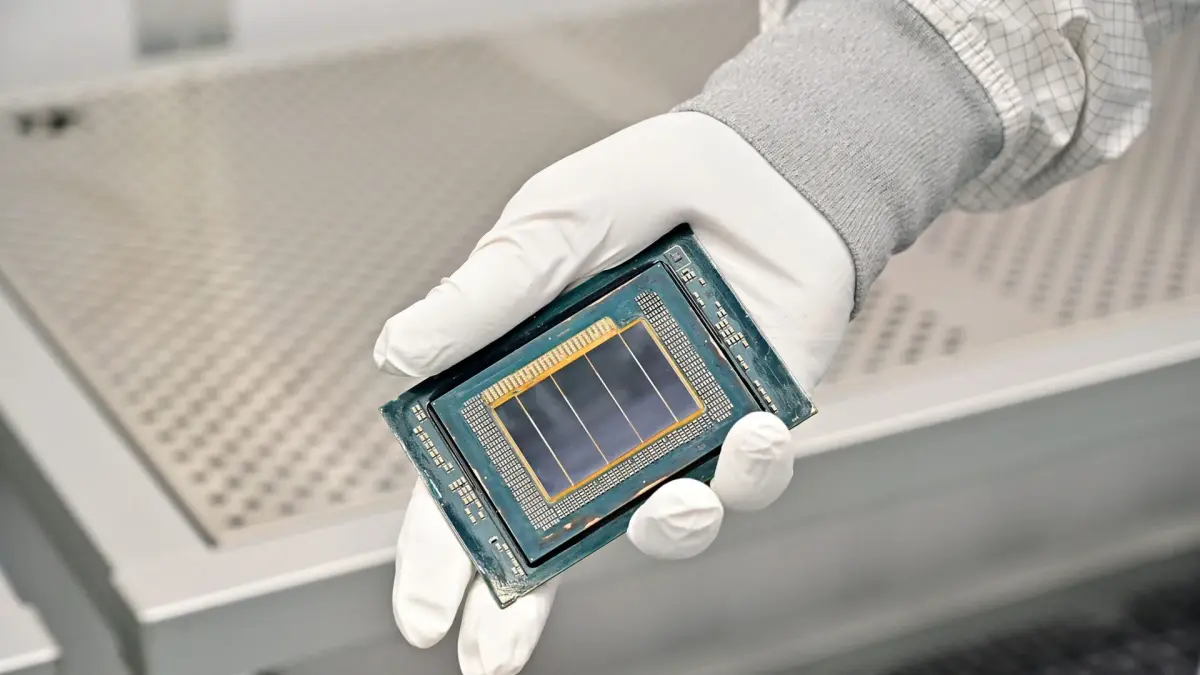
Nvidia Pushes AI PC Strategy With RTX Spark Superchip for Windows Devices
Nvidia is entering the Windows PC market with the RTX Spark Superchip for laptops and desktops expected this autumn. The chip combines a microprocessor and graphics processor, was built with help from MediaTek, and will run Microsoft Windows for Arm. The key test is whether AI-ready PCs can deliver useful local model, creative software and gaming features without software or battery-life trade-offs.

The PC Market Signal
Nvidia is making another push into personal computers with the RTX Spark Superchip, a product aimed at Windows laptops and desktops at a time when AI features are becoming a larger part of everyday computing.
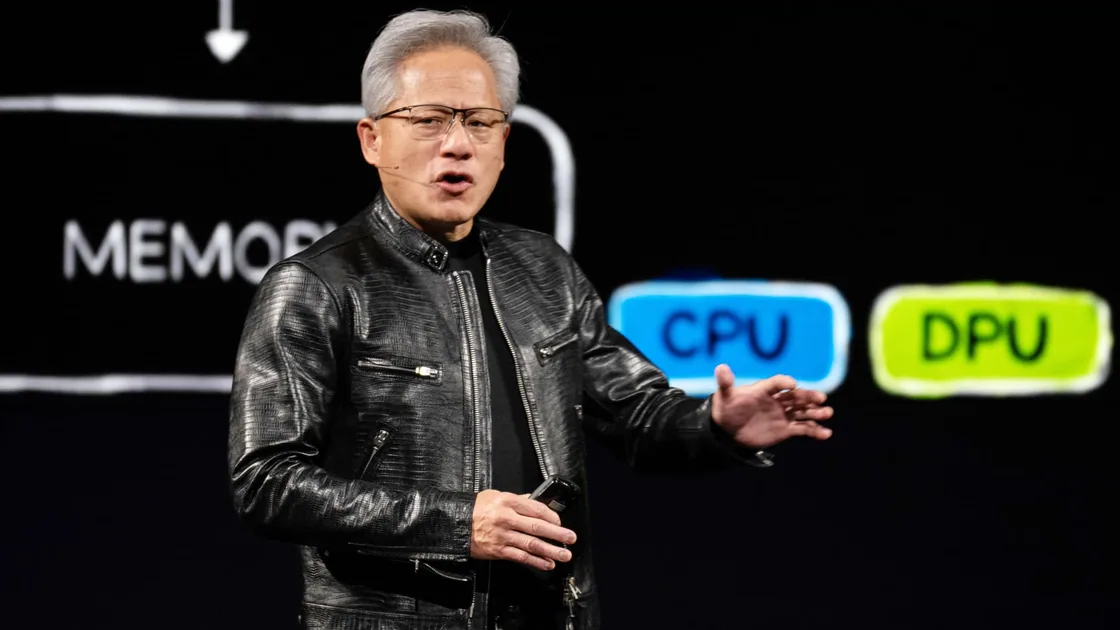
Jensen Huang said at a trade show in Taipei that the chip will be available this autumn in devices from PC brands including Dell Technologies and Lenovo Group.
The product combines a microprocessor and a graphics chip, was built with help from Taiwan MediaTek, and will run Microsoft Windows for Arm.
The move matters because Nvidia is trying to extend its role in AI from data centres into user devices where models, creative tools and gaming workloads may run closer to the customer.
Why It Matters
The source frames the product as a challenge to Intel position in PCs, but the broader signal is about AI-ready client hardware.
Nvidia said the first RTX Spark laptops will target the premium segment, with later versions expected to support a wider range of prices.
If the devices perform well, PC makers could have another route to thin and light machines that still carry strong AI and graphics capability.
The announcement also puts more pressure on the Windows-on-Arm ecosystem.
Nvidia said it has worked with Microsoft for years to prepare the devices and improve software support for Arm Holdings technology in Windows PCs.
That remains a key issue because Arm is associated with better power efficiency, while software compatibility has been a barrier outside Apple Mac devices.
Who Is Affected
The affected market includes PC manufacturers, chip suppliers, software developers, gamers and enterprise buyers evaluating AI-capable devices.
Microsoft and Qualcomm have already promoted similar PCs, though the source says the impact has been limited.
Most non-Apple PCs still use Intel or AMD processors, so any Nvidia success would be watched closely by incumbent chip vendors and OEM partners.
The source also said the RTX Superchip will be manufactured by Taiwan Semiconductor Manufacturing Company.
For the semiconductor supply chain, that keeps advanced PC silicon tied to the same manufacturing ecosystem that supports many high-performance chips.
What To Watch Next
The immediate watchpoint is performance.
Nvidia declined to provide comparisons with current and planned competing devices, saying that information will come when the machines go on sale.
Buyers will need to see whether the new PCs can run AI models, creative software and high-end games without sacrificing battery life or software reliability.
Another question is whether AI features become a practical reason to replace PCs.
Nvidia described use cases such as AI-assisted Adobe Photoshop work, gaming improvements, secure local model use, email search, and help with website bugs.
Commercial adoption would depend on whether those capabilities feel useful enough for consumers and businesses to pay for new hardware.
Summary version for Medium
Nvidia Pushes AI PC Strategy With RTX Spark Superchip for Windows Devices
Why this hardware shift matters for AI and compute buyers
Quick Summary: Nvidia is entering the Windows PC market with the RTX Spark Superchip for laptops and desktops expected this autumn. The chip combines a microprocessor and graphics processor, was built with help from MediaTek, and will run Microsoft Windows for Arm.
The PC Market Signal
Nvidia is making another push into personal computers with the RTX Spark Superchip, a product aimed at Windows laptops and desktops at a time when AI features are becoming a larger part of everyday computing. Jensen Huang said at a trade show in Taipei that the chip will be available this autumn in devices from PC brands including Dell Technologies and Lenovo Group.
Why It Matters
The source frames the product as a challenge to Intel position in PCs, but the broader signal is about AI-ready client hardware.
- Point 1: The central topic is Nvidia, with the announcement framed around concrete operating detail.
- Point 2: Nvidia said the first RTX Spark laptops will target the premium segment, with later versions expected to support a wider range of prices.
The important shift is not the AI label, but the operating boundary it creates for teams.
Who Is Affected
The affected market includes PC manufacturers, chip suppliers, software developers, gamers and enterprise buyers evaluating AI-capable devices. Microsoft and Qualcomm have already promoted similar PCs, though the source says the impact has been limited.
Read the Full Deep Dive
Want to explore the complete technical analysis, enterprise trade-offs, and detailed metrics?
Read the full article originally published at SendTech Times