Goldman Adds Prediction-Market Trades To Bank Compliance Lists
CNBC reported that Goldman Sachs has banned employees from some prediction-market trades, while only three of 50 companies contacted said they had explicit policies. The CFTC case against a Google employee gives the compliance issue a legal marker, but most company policies remain undisclosed.
Goldman Bars Some Employee Prediction-Market Trades
Goldman Sachs has restricted employee trading on some event contracts as prediction market employee trading policies move from a legal edge case into bank compliance manuals.
CNBC reported that the bank banned staff from trading on contracts tied to Goldman-specific events, elections, financial markets, macroeconomic data and geopolitics, citing people familiar with the matter.
A Goldman representative declined to comment on the policy details, but told CNBC the bank prohibits using material, nonpublic information to trade across all markets.
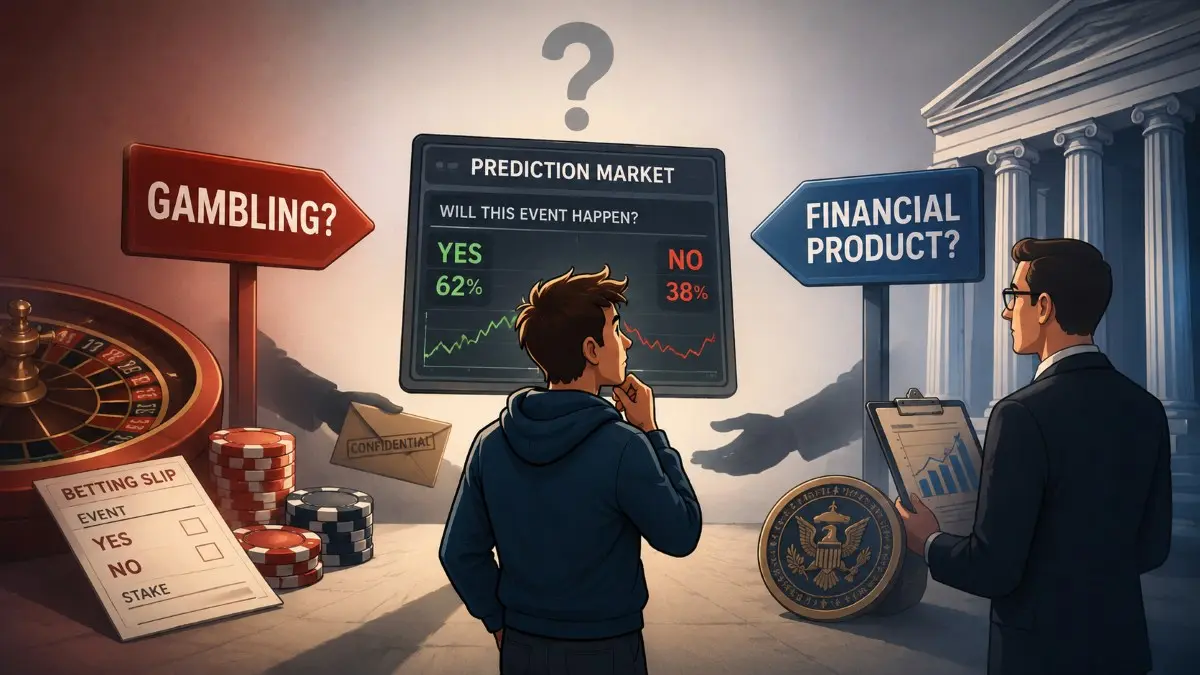
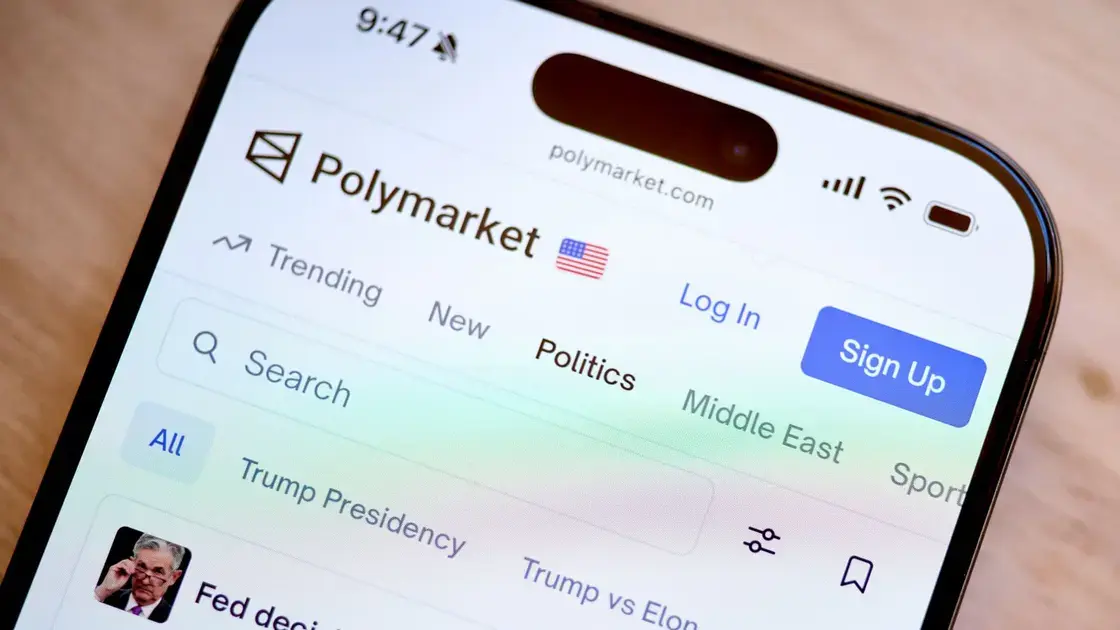
The rule sits within a wider compliance response to event-contract platforms such as Kalshi and Polymarket, not inside a crypto-token listing or consumer app launch.
CNBC Survey Finds Few Explicit Company Policies
CNBC reported that it contacted 50 public and private companies whose business details appear in contracts on prediction market platforms.
Only three said they had policies related to employee trading on prediction markets, while two more said they were actively reviewing the issue.
United Airlines told CNBC it does not have an explicit prediction-market policy, but its employee guidelines prohibit using a position or company confidential information for personal gain.
JPMorgan Chase confirmed a Barron's report that employees are urged to use caution when trading on prediction markets, especially contracts tied to the financial sector.
Morgan Stanley said its employee code of conduct includes prediction-market trading policies, but did not provide more detail.
A person familiar with Bank of America's plans told CNBC the bank was communicating policy updates that would outline prohibited employee activity and give examples for prediction-market trading.
The same source did not provide the specific changes.
Google Case Gives The Compliance Question A Legal Marker
CNBC reported that the Goldman policy follows what it described as the first event-contract insider-trading case involving a private-sector company.
The report cited the Commodity Futures Trading Commission and the Department of Justice as charging Google employee Michele Spagnuolo in May with using material, nonpublic information to trade on Polymarket contracts tied to Google's Year in Search lists.
According to the CFTC complaint cited by CNBC, Spagnuolo allegedly used the handle AlphaRaccoon and collected about $1.2 million in profit.
Legal experts quoted by CNBC said the number of event contracts could create more ways for confidential company information to be used in trading, including contracts tied to headcount, product-release timing or share-price levels.
Karen Woody, a law professor at Washington and Lee University, told CNBC that the breadth of questions available on prediction platforms makes it difficult to police every possible use of confidential information.
Lawyers also told CNBC that expectations for company policies and employee education could rise as more cases are caught and prosecuted.
Kalshi And Polymarket Add Oversight Partnerships
Prediction-market platforms have started adding their own monitoring tools.
CNBC reported that Kalshi announced employment-verification tools for some markets in early June, partnered with StarCompliance in the same month to let employers using that software access employee event-contract trades, and partnered with Solidus Labs in February for internal market oversight.
Polymarket told CNBC it has partnerships with Chainalysis for on-chain market enforcement and Palantir for monitoring suspicious activity on sports-related contracts.
Tiffany Magri, a regulatory adviser at Smarsh, told CNBC that companies still benefit from explicitly naming prediction markets in employee policies rather than relying only on exchange monitoring.
The CFTC did not provide CNBC with a view on future company liability for employee trades based on confidential information.
CNBC reported that 36 companies did not respond, seven declined to comment, and Kalshi and Polymarket did not identify any direct company oversight work with employers.
Summary version for Medium
Goldman Adds Prediction-Market Trades To Bank Compliance Lists
What the move signals for regulated finance and digital payments
Quick Summary: CNBC reported that Goldman Sachs has banned employees from some prediction-market trades, while only three of 50 companies contacted said they had explicit policies. The CFTC case against a Google employee gives the compliance issue a legal marker, but most company policies remain undisclosed.
Goldman Bars Some Employee Prediction-Market Trades
Goldman Sachs has restricted employee trading on some event contracts as prediction market employee trading policies move from a legal edge case into bank compliance manuals. CNBC reported that the bank banned staff from trading on contracts tied to Goldman-specific events, elections, financial markets, macroeconomic data and geopolitics, citing people familiar with the matter.
CNBC Survey Finds Few Explicit Company Policies
CNBC reported that it contacted 50 public and private companies whose business details appear in contracts on prediction market platforms.
- Point 1: The central topic is fintech-digital-payments, with the announcement framed around concrete operating detail.
- Point 2: Only three said they had policies related to employee trading on prediction markets, while two more said they were actively reviewing the issue.
The important shift is not the AI label, but the operating boundary it creates for teams.
Google Case Gives The Compliance Question A Legal Marker
CNBC reported that the Goldman policy follows what it described as the first event-contract insider-trading case involving a private-sector company. The report cited the Commodity Futures Trading Commission and the Department of Justice as charging Google employee Michele Spagnuolo in May with using material, nonpublic information to trade on Polymarket contracts tied to Google's Year in Search lists.
Read the Full Deep Dive
Want to explore the complete technical analysis, enterprise trade-offs, and detailed metrics?
Read the full article originally published at SendTech Times