Shionogi’s Last-Resort Antibiotic Tests A Broken Drug Market
Shionogi has secured approvals for cefiderocol in 27 countries, but the antibiotic’s narrow use case shows why resistant-infection drugs remain a difficult business.
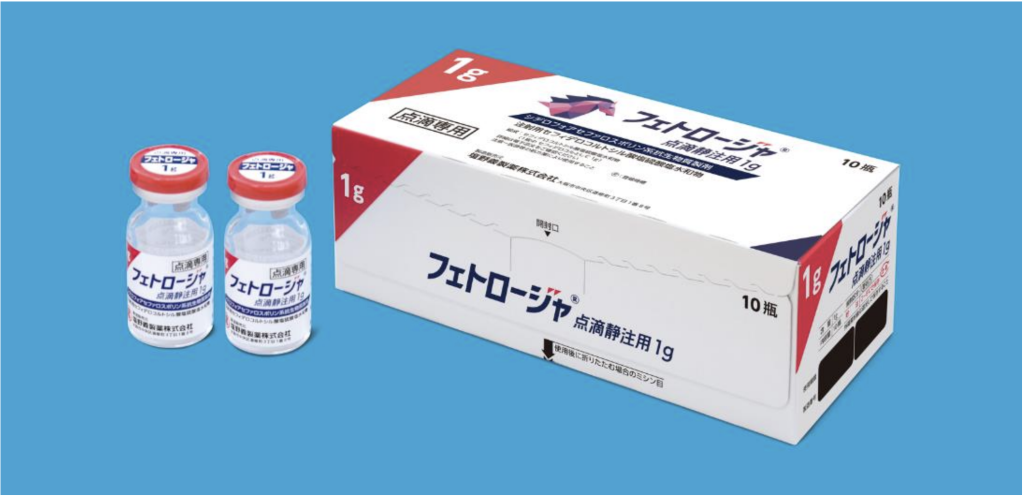
Shionogi Turns Antibiotic Scarcity Into A Market Test
Shionogi’s cefiderocol has moved from a specialist drug-development story into a practical access test for hospitals facing resistant infections.
The Osaka-based company now has approval for the antibiotic in 27 countries, giving doctors another option when older last-resort treatments fail.
The commercial tension is clear.
Antibiotics for severe resistant infections are held back for narrow use, which limits revenue even when the medical need is high.
That is why many pharmaceutical companies have retreated from antibiotic research while hospitals continue to face bacteria that can defeat established drugs.
The Drug Uses Bacteria’s Iron Pathway
Cefiderocol targets Gram-negative bacteria, a group that is difficult to treat because its outer membrane blocks many antibiotics.
Shionogi’s approach is to mimic the signals bacteria use to take in iron, drawing the drug inside before it attacks the cell wall.
The source describes the result as activity against strains that beat older treatments, including carbapenem-resistant bacteria.
China cleared the drug on January 8 this year, and Japan’s health ministry recognized Shionogi in January 2026 for its contribution to drug-resistance work.
Real-World Data Shows Both Promise And Limits
At an infectious disease conference in April 2026, Shionogi presented a Spanish real-world study involving 232 patients.
The cases were severe: intensive-care patients made up 27% of the study group, while 13% had entered septic shock before the drug was started.
Among patients treated with cefiderocol, 68% were clinically cured within 14 days.
Survival was 90% at day 14 and 83% at day 28.
Those figures strengthen the case for the drug, but they do not remove the caution around which patients should receive it.
The article also notes an earlier clinical trial in critically ill patients where mortality was higher in the cefiderocol group than in the comparison group.
Doctors are advised to use the drug only when susceptibility is confirmed.
Access Is The Larger Watchpoint
Shionogi says agreements with two global health organizations are intended to extend cefiderocol access across 135 lower-income countries.
That access plan matters because resistant infections often hit hardest where newer drugs are least available.
The larger issue remains unresolved.
Cefiderocol treats infections after resistance has already emerged; it does not slow antibiotic misuse or stop resistant strains from spreading.
For investors and health systems, the question is whether a company can keep financing last-resort antibiotic innovation when the best clinical use case is deliberately limited.