AI Data Center Debt Puts Big Tech Back Under The Bond Market
CNBC says the AI infrastructure race is making large technology companies more sensitive to rates, with hyperscalers projected to deploy $750 billion this year and debt markets funding part of the buildout.
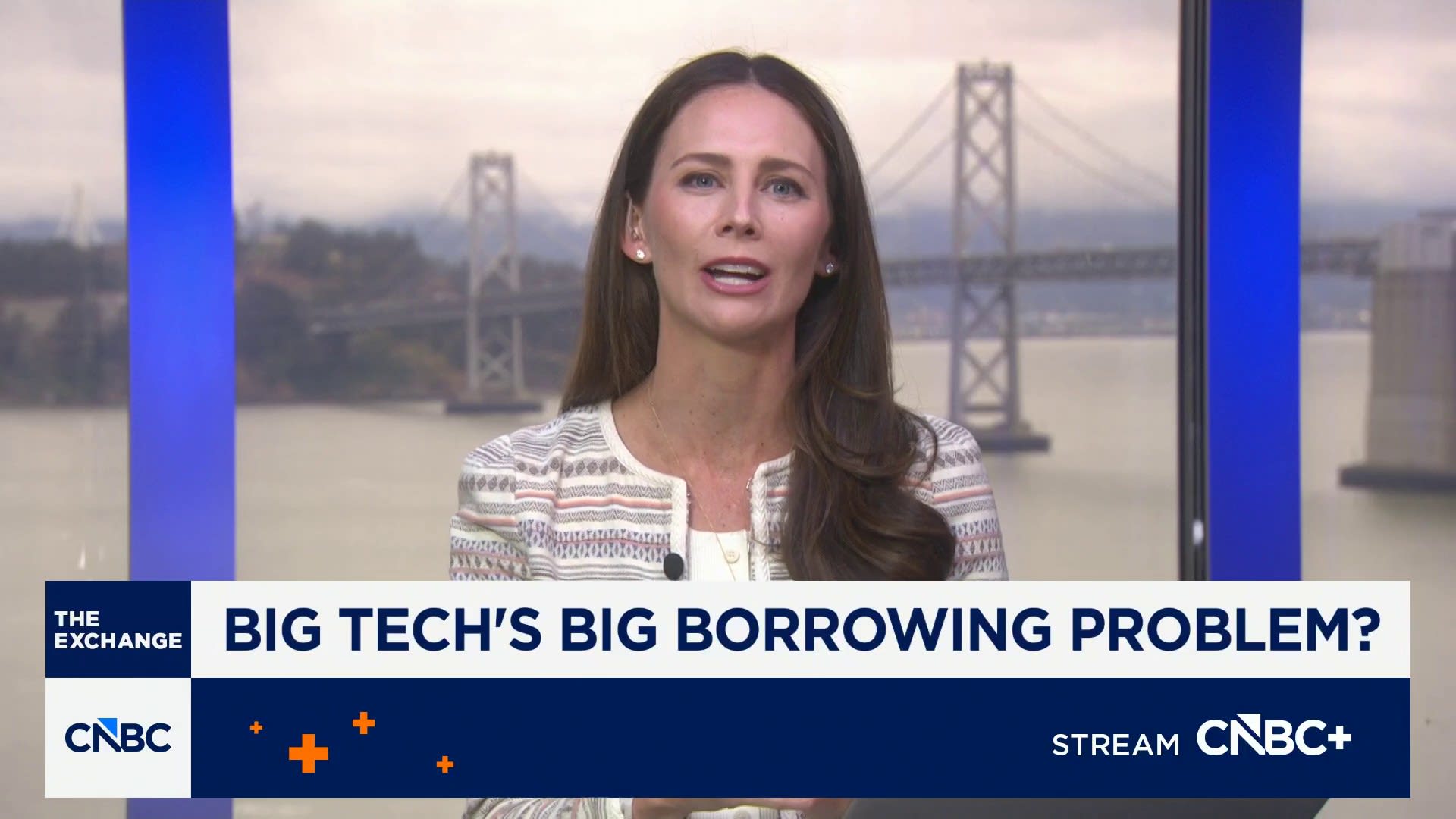
AI Spending Makes Rates A Tech Infrastructure Issue
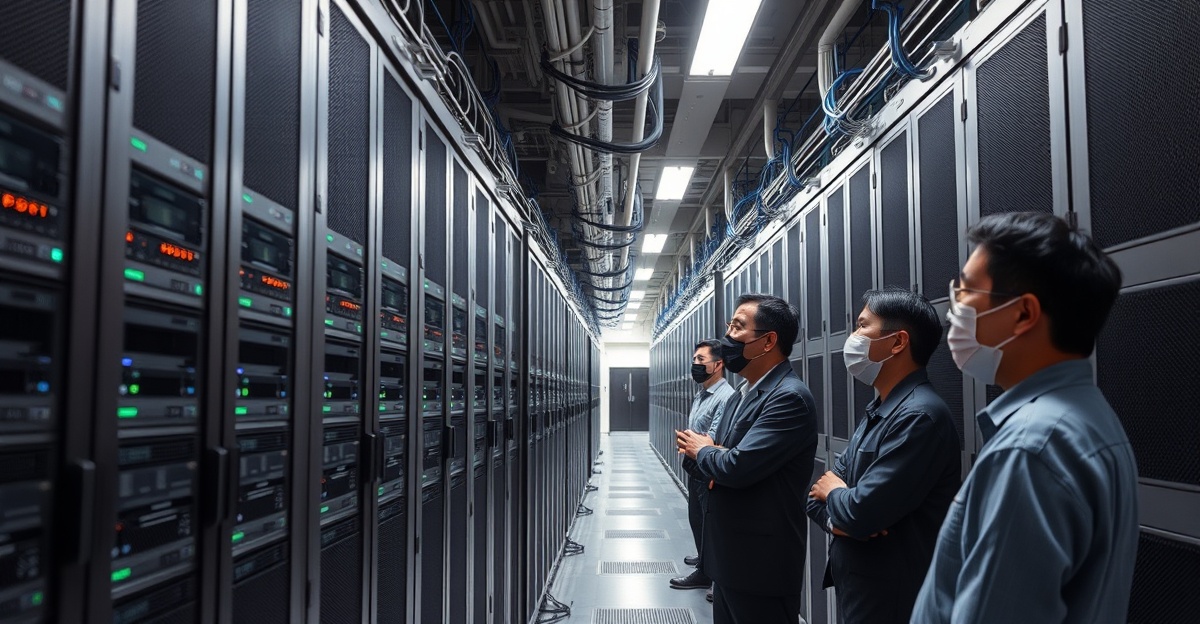
The AI data center race is pulling megacap technology companies closer to the bond market, as infrastructure spending turns cloud and AI leaders into more capital-intensive businesses.
CNBC reported that large technology companies are using reserves and debt to fund data center buildouts.
That makes borrowing costs more important for investors who once treated the largest platform companies as comparatively insulated from interest-rate pressure.
Boockvar, who is chief investment officer at One Point BFG Wealth Partners, said technology investors are less used to watching rates.
His point is now tied directly to AI infrastructure: the cost of money affects how quickly companies can finance data centers, power arrangements, chips and related capacity.
Hyperscaler Capex Moves Upstream
The rate exposure is moving beyond smaller, unprofitable technology companies.
CNBC put this year’s combined deployment by Meta, Microsoft, Alphabet and Amazon at $750 billion, more than 80% above the 2025 level.
That scale changes the investor question.
AI capacity is not funded only through operating cash flow; major companies are also turning to debt markets.
CNBC named Nvidia, Oracle, Amazon, Alphabet and Meta as companies seeking tens of billions of dollars each from debt investors.
The article also links public-market strategy to borrowing capacity.
Sarah Friar, OpenAI’s CFO, has cited debt-market access as one reason for pursuing a public listing.
Reuters reported that bankers for SpaceX were preparing investor meetings for a bond offering of at least $20 billion after the company’s Nasdaq debut last week.
The Fed Becomes Part Of The Buildout Math
Federal Reserve signals now matter to AI infrastructure valuations because higher yields raise the cost of funding long-duration projects.
CNBC said Fed chairman Kevin Warsh indicated the possibility of a rate hike in 2026, and the 10-year yield was trading near 4.45%.
Higher rates reduce the present value of future cash flows.
That logic has long weighed on smaller growth companies, but AI capital expenditure is pushing similar rate sensitivity into the largest technology names.
Goldman Sachs recently put capital expenditure as a share of cash flow at its highest level since the dot-com era.
The firm expects capex this year to be closer to $920 billion, after three straight years in which analyst forecasts proved too low.
Cash Strength Will Decide Who Can Borrow Comfortably
The debt burden is not the same across the sector.
Jay Woods, chief market strategist at Freedom Capital Markets, said each company’s balance sheet has to be assessed separately.
Nvidia is the clearest example in CNBC’s article.
Woods pointed to Nvidia’s strong cash position, with free cash flow above $48.5 billion in the latest quarter, compared with $26.1 billion a year earlier.
His view is that borrowing can still give a cash-rich company flexibility rather than signal stress.
Amazon sits on the other side of the near-term cash-flow question.
The company has forecast roughly $200 billion of spending this year and is widely expected to report negative free cash flow.
For AI infrastructure investors, the unresolved issue is no longer only who gets enough chips or data center capacity.
The financing test is whether each company can keep funding AI buildouts if rates stay elevated and debt investors demand better compensation for the risk.