Sunrun Plans Home AI Compute Pilot Without Naming Enterprise Buyers
Sunrun is piloting distributed AI compute nodes in homes with its solar and battery systems, using a customer base of more than 1.1 million as the deployment base. The company said homeowners will be compensated, but it did not name enterprise buyers, hosting rates, node counts, pilot locations or measured revenue.
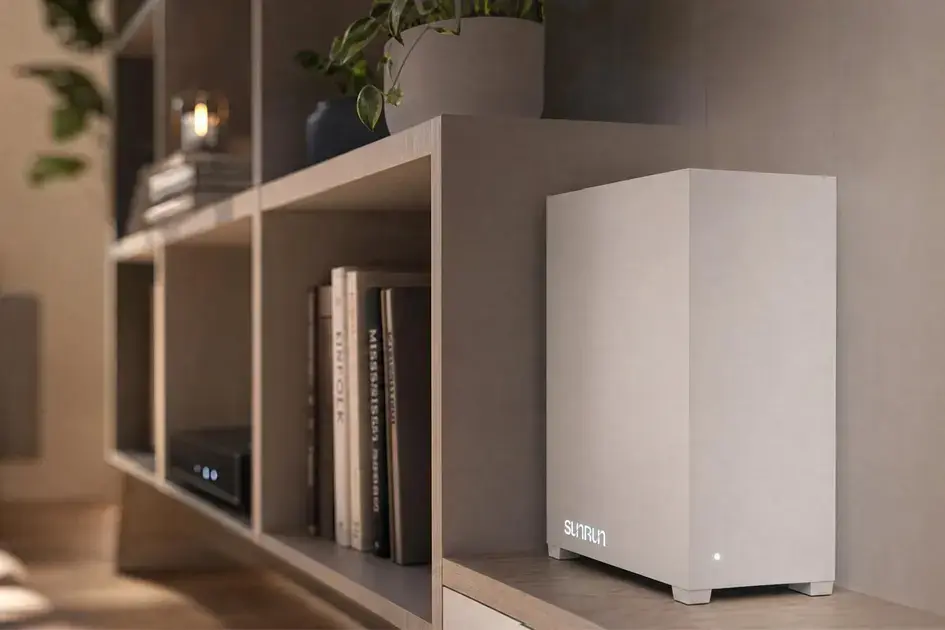
Sunrun is testing whether a Sunrun distributed AI compute pilot can turn customer homes with solar panels and batteries into small AI infrastructure sites, but the company has not named enterprise buyers, hosting rates or measured pilot results.
The U.S. home-energy company said the programme will place compute nodes in homes equipped with Sunrun solar and battery storage systems.
Sunrun plans to sell inference capacity from those nodes to enterprise compute buyers while compensating participating homeowners.
Sunrun Wants Home Batteries To Host AI Inference Nodes
Sunrun described the pilot as its first step into distributed edge computing.
The company said it is expanding the programme after a proof of concept that showed revenue generation and demand for distributed compute, but it did not publish the proof-of-concept revenue, node count, customer locations or buyer contracts.
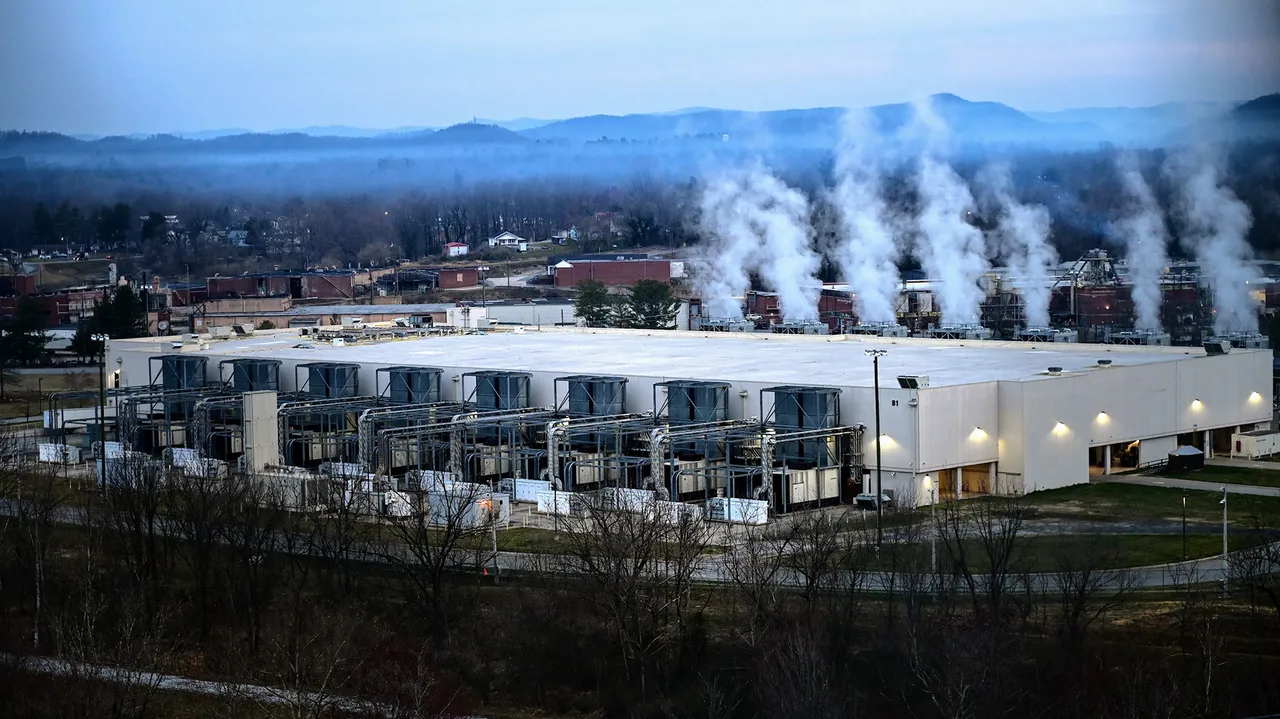
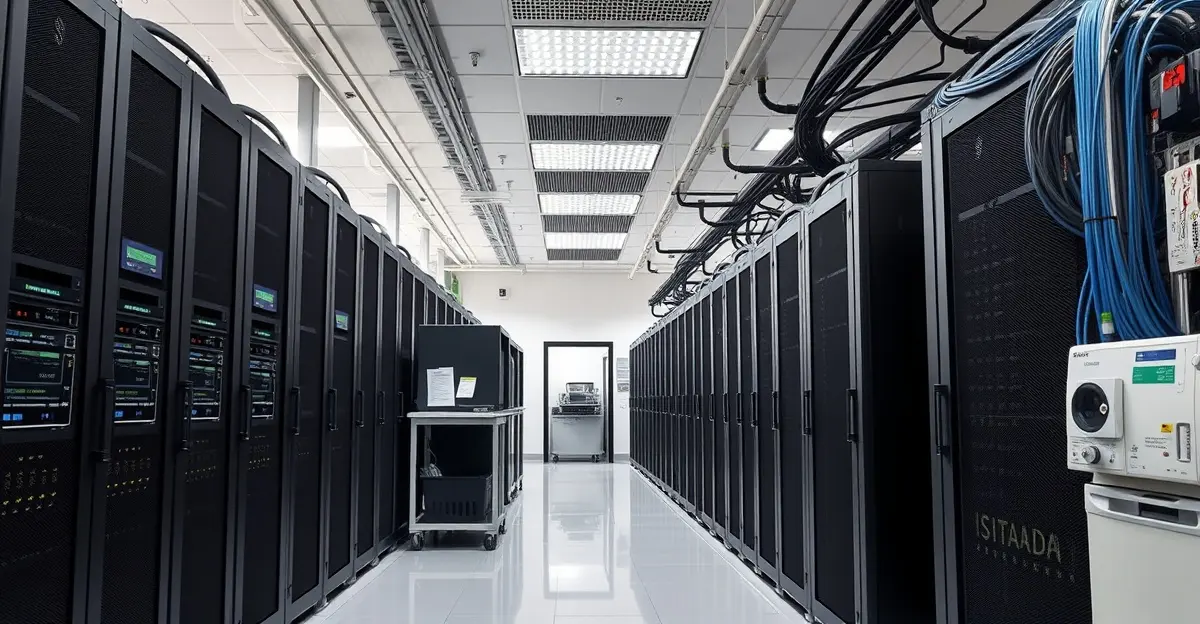
The model differs from a conventional data centre buildout.
Instead of consolidating servers in one large facility, Sunrun wants numerous smaller compute nodes distributed across homes already connected to its solar and battery systems.
Sunrun President and Chief Revenue Officer Paul Dickson said AI companies are trying to secure greater access to energy and computing power.
He said Sunrun wants to use its distributed home-energy infrastructure to bring compute closer to energy sources and inference demand.
1.1 Million Customers Form The Deployment Base
Sunrun said its footprint of more than 1.1 million existing customers gives it an addressable deployment base for distributed compute.
The company also said its service organisation already monitors and services energy equipment on more than a million homes.
The company is positioning that base as a speed advantage over traditional data centre development.
Sunrun said conventional data centres can take years to permit, build and interconnect, while distributed nodes can add inference capacity in a shorter period by using the built environment.
The pilot still has to prove that claim operationally.
Sunrun said it will test nodes under different conditions and rate structures, then assess the results before deciding whether to expand the programme more widely.
McKinsey Forecast Frames The Inference Bet
Sunrun cited a McKinsey forecast that AI inference demand is growing at approximately 35% annually and is projected to surpass training as the dominant AI workload by 2030.
The company said inference could represent more than half of all AI compute.
Sunrun uses that forecast to argue that inference can be more modular and geographically distributed than training workloads.
The company said the modular nature of inference makes it a better fit for edge deployment close to users.
The company did not state which accelerators, server configurations, network links or security controls will be used in customer homes.
It also did not disclose whether enterprise buyers will receive service-level guarantees or audited latency results from the pilot.
Enterprise Buyers And Hosting Economics Remain Undisclosed
Sunrun has opened a waitlist for customers willing to host compute nodes and said participating homeowners will be compensated.
It did not disclose the compensation formula, power-use allocation, maintenance terms, customer eligibility rules or how household battery use will be balanced against compute demand.
Sunrun still lacks named enterprise compute buyers, node counts, pilot locations, hosting rates, equipment specifications, security audits, service-level guarantees and measured revenue from the distributed AI compute pilot.
Summary version for Medium
Sunrun Plans Home AI Compute Pilot Without Naming Enterprise Buyers
Why Sunrun Plans Home AI matter now for cloud infrastructure teams
Quick Summary: Sunrun is piloting distributed AI compute nodes in homes with its solar and battery systems, using a customer base of more than 1.1 million as the deployment base. The company said homeowners will be compensated, but it did not name enterprise buyers, hosting rates, node counts, pilot locations or measured revenue.
Sunrun Wants Home Batteries To Host AI Inference Nodes
Sunrun described the pilot as its first step into distributed edge computing. The company said it is expanding the programme after a proof of concept that showed revenue generation and demand for distributed compute, but it did not publish the proof-of-concept revenue, node count, customer locations or buyer contracts.
1.1 Million Customers Form The Deployment Base
Sunrun said its footprint of more than 1.1 million existing customers gives it an addressable deployment base for distributed compute.
- Point 1: The central topic is cloud-data-centers, with the announcement framed around concrete operating detail.
- Point 2: The company also said its service organisation already monitors and services energy equipment on more than a million homes.
The important shift is not the AI label, but the operating boundary it creates for teams.
McKinsey Forecast Frames The Inference Bet
Sunrun cited a McKinsey forecast that AI inference demand is growing at approximately 35% annually and is projected to surpass training as the dominant AI workload by 2030. The company said inference could represent more than half of all AI compute.
Read the Full Deep Dive
Want to explore the complete technical analysis, enterprise trade-offs, and detailed metrics?
Read the full article originally published at SendTech Times