Apple Lawsuit Accuses OpenAI Of Using Trade Secrets For Hardware Push
Apple alleges OpenAI used former Apple staff and confidential material to support a hardware push, while OpenAI says it has no interest in other companies' trade secrets.
Apple Complaint Names Recruiting And Prototype Allegations
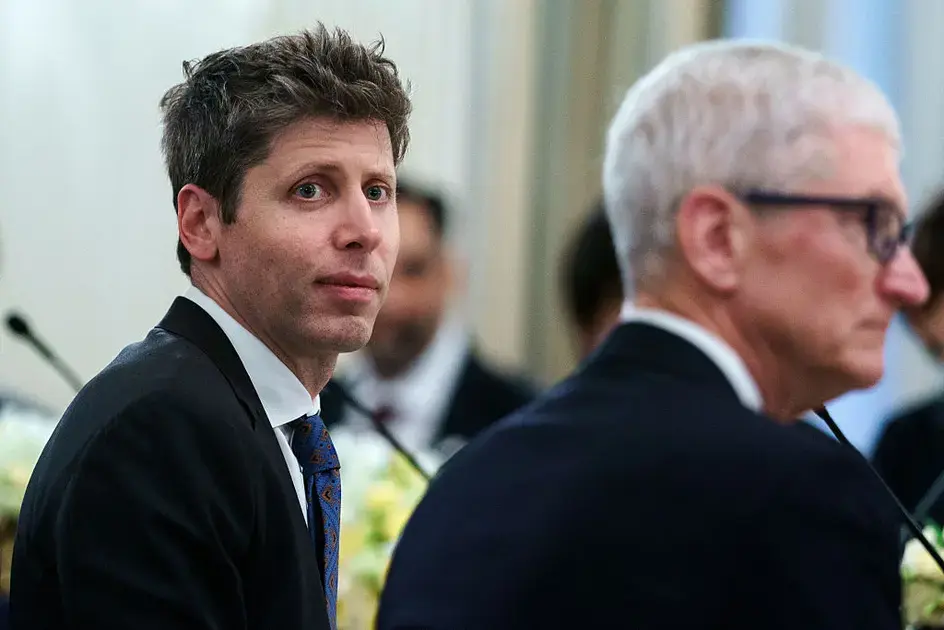
Apple has turned its dispute with OpenAI into a court fight, filing an Apple OpenAI trade secret lawsuit that accuses the ChatGPT maker of using former Apple staff and confidential material to accelerate a consumer-hardware push.
Apple's complaint alleges that the conduct was directed by OpenAI senior leadership, including Chief Hardware Officer Tang Tan; TechCrunch reported that Tan previously spent 24 years at Apple and most recently worked as vice-president of product design for the iPhone and Apple Watch.
In Northern California federal court, Apple says Tan used confidential project code names during OpenAI recruiting, asked candidates to bring Apple hardware components to interviews, coached departing Apple employees on security procedures and sought information about unannounced products.
Those claims remain allegations in a newly filed civil case, not findings by a court.
Apple also names Chang Liu, described in the complaint as a former senior systems electrical engineer who spent eight years at Apple before leaving for OpenAI in 2026.
Apple alleges that Liu failed to return an Apple-issued laptop and used the computer to download confidential technical documents covering unannounced technologies, engineering presentations and proprietary project data.
OpenAI Hardware Push Brings Jony Ive Deal Into The Case
The lawsuit lands as OpenAI is working on hardware ambitions beyond its software and model business.
TechCrunch reported that OpenAI acquired Jony Ive's device startup io last year in a $6.5 billion deal intended to support those plans.
The filing names io, while Jony Ive was not named in the case.
Apple does not need to prove a shipped device to bring a trade-secret case, but the complaint shows why the iPhone maker is treating component designs, code names and prototype information as commercially sensitive.
The filing says Apple sent OpenAI a letter in February raising concerns and received no response.
Apple wants a court order preventing OpenAI from using or sharing Apple trade secrets, returning confidential Apple materials and preserving evidence tied to the case.
OpenAI Denies Interest In Trade Secrets
Apple's public statement says significant evidence suggests people employed by OpenAI wrongfully took secret and confidential information about unreleased technologies, processes and products.
The company said it would defend its teams' work and intellectual property.
OpenAI responded after publication by pointing to a public statement on X.
OpenAI said it has no interest in other companies' trade secrets and remains focused on building technology for users.
For technology companies, the case moves competition over AI hardware from product speculation into legal discovery.
Apple is alleging a pattern involving recruiting, device components, internal documents and partner work; OpenAI is denying interest in rival trade secrets rather than offering a point-by-point public answer to each allegation.
The court has not ruled on Apple's allegations, OpenAI has not disclosed its hardware product specifications or launch date, and the public record does not yet include discovery evidence showing how much Apple confidential material, if any, reached OpenAI's hardware work.
Summary version for Medium
Apple Lawsuit Accuses OpenAI Of Using Trade Secrets For Hardware Push
What the policy signal means for operators and investors
Quick Summary: Apple alleges OpenAI used former Apple staff and confidential material to support a hardware push, while OpenAI says it has no interest in other companies' trade secrets.
Apple Complaint Names Recruiting And Prototype Allegations
Apple has turned its dispute with OpenAI into a court fight, filing an Apple OpenAI trade secret lawsuit that accuses the ChatGPT maker of using former Apple staff and confidential material to accelerate a consumer-hardware push. Apple's complaint alleges that the conduct was directed by OpenAI senior leadership, including Chief Hardware Officer Tang Tan; TechCrunch reported that Tan previously spent 24 years at Apple and most recently worked as vice-president of product design for the iPhone and Apple Watch.
OpenAI Hardware Push Brings Jony Ive Deal Into The Case
The lawsuit lands as OpenAI is working on hardware ambitions beyond its software and model business.
- Point 1: The central topic is capital-policy, with the announcement framed around concrete operating detail.
- Point 2: TechCrunch reported that OpenAI acquired Jony Ive's device startup io last year in a $6.5 billion deal intended to support those plans.
The important shift is not the AI label, but the operating boundary it creates for teams.
OpenAI Denies Interest In Trade Secrets
Apple's public statement says significant evidence suggests people employed by OpenAI wrongfully took secret and confidential information about unreleased technologies, processes and products. The company said it would defend its teams' work and intellectual property.
Read the Full Deep Dive
Want to explore the complete technical analysis, enterprise trade-offs, and detailed metrics?
Read the full article originally published at SendTech Times