Xpeng Puts Its CEO Directly Over The Iron Humanoid Push
Xpeng CEO He Xiaopeng is taking direct control of the company’s robotics arm as the Iron humanoid moves toward showroom deployment, mass production and customer deliveries.
Xpeng Moves Robotics Closer To The Car Business
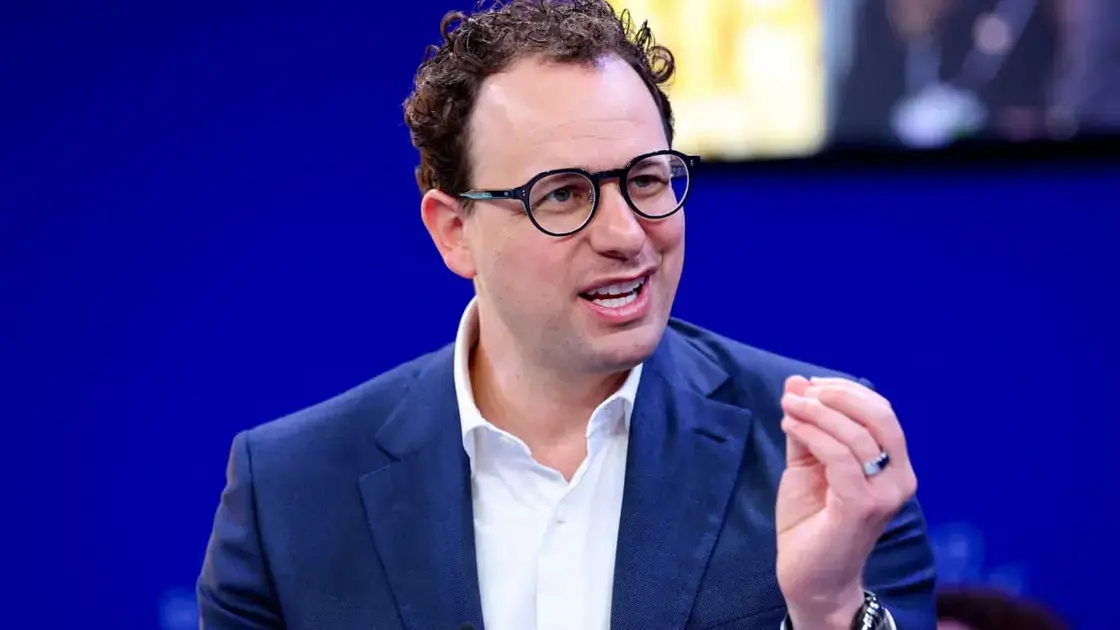
Xpeng chairman and CEO He Xiaopeng has taken direct charge of the company’s robotics department, tightening executive control over a unit that is moving from prototype visibility toward commercial execution.
The shift matters because Xpeng is trying to extend capabilities built for electric vehicles into what He describes as a physical AI strategy.
In a Wednesday internal memo, He said the robotics operation had reached a turning point as it approaches mass production and commercialisation.
The decision follows a leadership change in the department after senior product-planning director Shi Xiaoxin resigned for personal career adjustments.
Iron Becomes A Deployment Test, Not Only A Demo
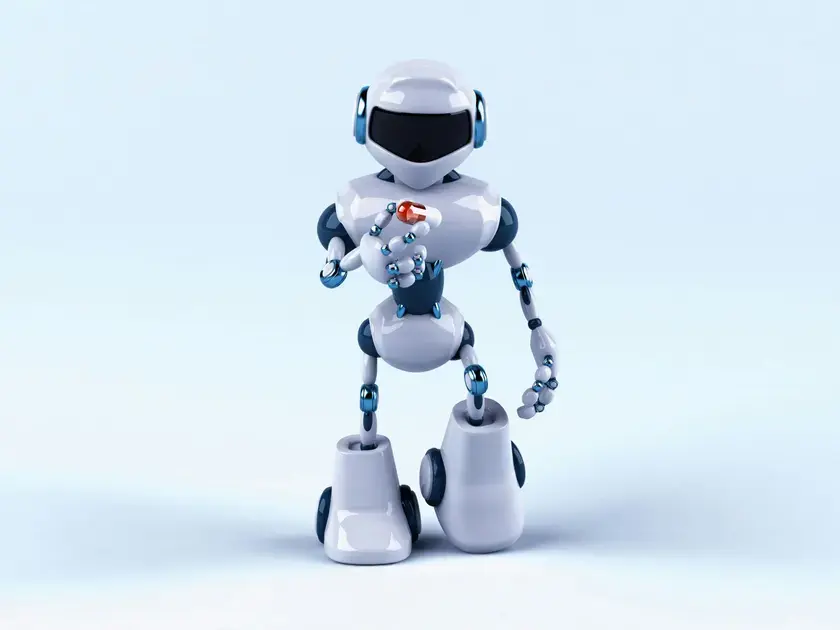
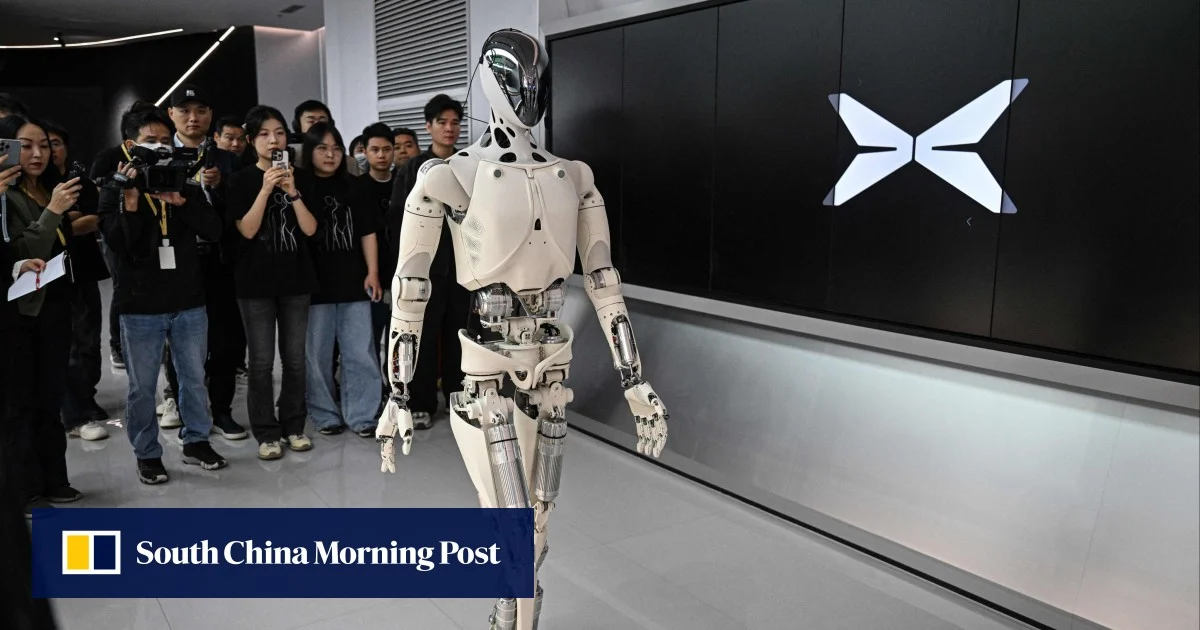
The centerpiece is Iron, Xpeng’s flagship humanoid robot.
The company says the project is moving forward as planned, and He told investors last month that Xpeng aimed to reach mass production by the end of this year.
The first rollout is expected inside Xpeng’s own EV showrooms, with customer deliveries in China and abroad planned next year.
That sequence gives the launch a narrower but more measurable test.
Showrooms let Xpeng trial Iron as a sales agent and tour-guide system inside an environment it already controls.
Customer deliveries would be a harder step because buyers will judge the robot on safety, reliability, service value and operating cost rather than stage presence.
EV Manufacturing Is The Strategic Shortcut
He said he had spent at least one full day each week over the past year working with the robotics operation.
His memo also set out the operating logic: Xpeng wants to replicate supply chain, manufacturing, quality-control and globalisation capabilities from its car business and apply them to robotics.
The source-backed evidence is strongest on management attention, rollout sequence and product positioning.
Iron was first introduced in 2024, and an upgraded version drew attention last year for lifelike movement.
Xpeng also plans to show the next-generation Iron in the third quarter.
The Unproven Part Is Commercial Fit
Xpeng says Iron will be powered by local data, built with strict safety features and designed to be more humanlike than a machine that must be kept at a distance.
Those claims are important for a humanoid robot intended to operate around customers, but the available details do not disclose robot pricing, confirmed external customers, unit production targets or independent safety benchmarks.
the story is less about one executive title change than about whether an EV manufacturer can turn factory discipline into a credible robotics advantage.
Xpeng has a staged path from showrooms to deliveries.
It still has to prove that Iron can move from controlled demonstrations into repeatable commercial use.
Summary version for Medium
Xpeng Puts Its CEO Directly Over The Iron Humanoid Push
What the announcement means beyond the headline
Quick Summary: Xpeng CEO He Xiaopeng is taking direct control of the company’s robotics arm as the Iron humanoid moves toward showroom deployment, mass production and customer deliveries.
Xpeng Moves Robotics Closer To The Car Business
Xpeng chairman and CEO He Xiaopeng has taken direct charge of the company’s robotics department, tightening executive control over a unit that is moving from prototype visibility toward commercial execution. The shift matters because Xpeng is trying to extend capabilities built for electric vehicles into what He describes as a physical AI strategy.
Iron Becomes A Deployment Test, Not Only A Demo
The centerpiece is Iron, Xpeng’s flagship humanoid robot.
- Point 1: The central topic is humanoid robots, with the announcement framed around concrete operating detail.
- Point 2: The company says the project is moving forward as planned, and He told investors last month that Xpeng aimed to reach mass production by the end of this year.
AI deployments now depend on where models, data, approvals and operating teams meet.
EV Manufacturing Is The Strategic Shortcut
He said he had spent at least one full day each week over the past year working with the robotics operation. His memo also set out the operating logic: Xpeng wants to replicate supply chain, manufacturing, quality-control and globalisation capabilities from its car business and apply them to robotics.
Read the Full Deep Dive
Want to explore the complete technical analysis, enterprise trade-offs, and detailed metrics?
Read the full article originally published at SendTech Times