UAE Stocks Rally, But Friday’s Deal Test Still Matters
Abu Dhabi and Dubai markets closed at three-month highs after a US-Iran peace agreement lifted risk appetite. ADX rose 0.3 per cent to 9,996.20 points and DFM gained 1 per cent to 6,115.97 points, but analysts tied the next leg to the expected Geneva signing on Friday and interest-rate signals.
Abu Dhabi And Dubai Get A Relief Rally
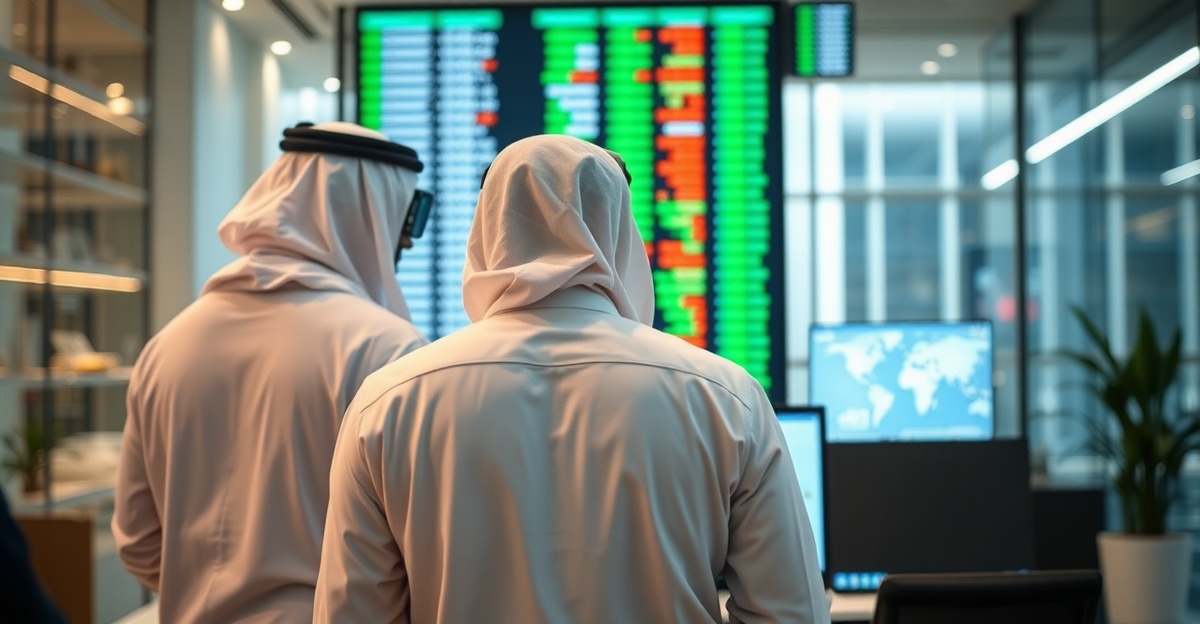
UAE equity markets moved to their strongest closes in three months as investors reacted to lower regional tension and an announced US-Iran agreement.
On the Abu Dhabi Securities Exchange, the main index added 0.3 per cent and finished Wednesday at 9,996.20 points.
Dubai's market posted the larger daily move, with the Dubai Financial Market up 1 per cent at 6,115.97 points.
The date markers show why the move drew attention.
Abu Dhabi last reached a higher level on March 11, while Dubai's previous high came on March 5.
The rally came after President Donald Trump said on Sunday that an agreement with Iran had been reached and that the Strait of Hormuz would reopen.
The market response is not just about one trading day.
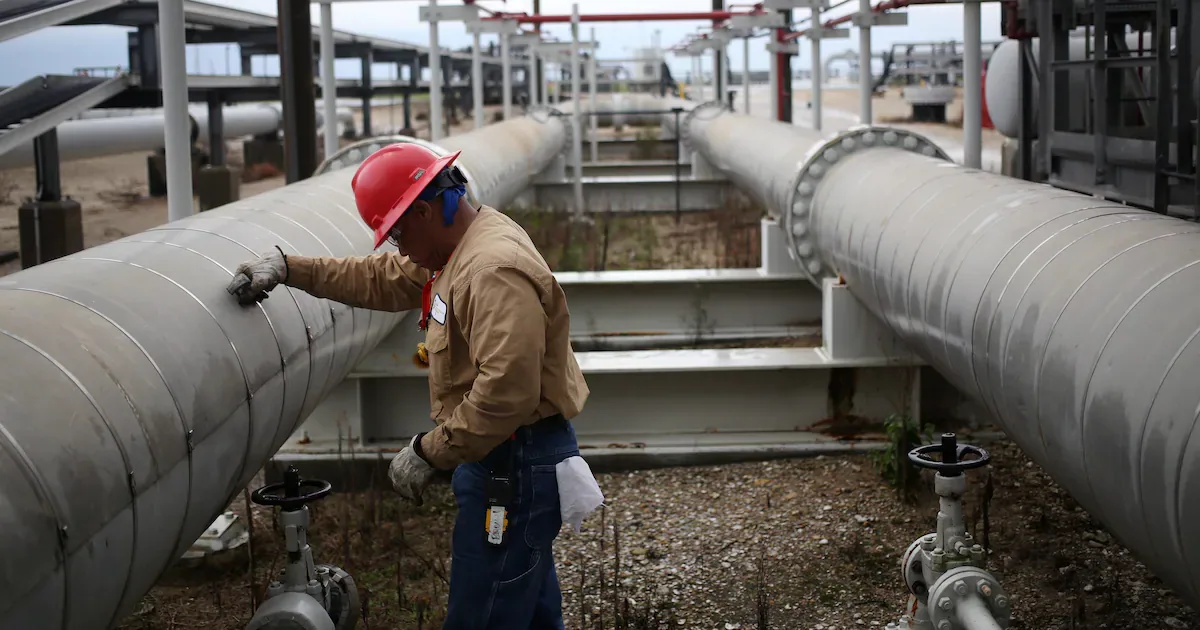
The Strait of Hormuz normally carries about a fifth of the world's oil and gas supplies, and the conflict had disrupted trade, aviation, tourism and energy markets.
Crude prices rose to nearly $120 per barrel in March, giving UAE investors a direct reason to reprice companies exposed to domestic activity and regional mobility.
Real Estate And Banks Led The Move
Roxane El Mawla, group chief executive at Uexo.com, linked the rally to falling tension, the interim US-Iran agreement and hopes for further negotiations.
She said a strong local economy was providing a floor for stocks, while geopolitical easing could remove disruption for sectors including energy, aviation and tourism.
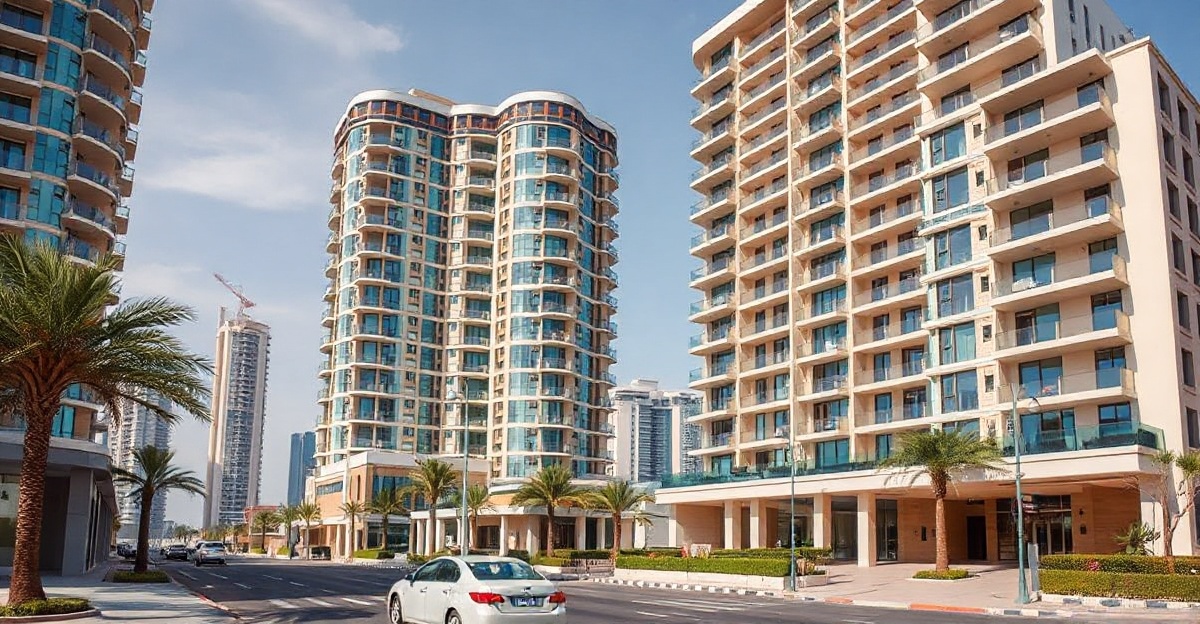
Real estate became the clearest equity signal.
Aldar Properties, Abu Dhabi's biggest listed developer, closed 4.6 per cent higher.
Emaar Properties rose 3 per cent on the Dubai Financial Market.
Air Arabia, Emirates NBD, Gulf Navigation, NMDC and Abu Dhabi Commercial Bank were also among the better-performing names.
Smaller companies joined the move.
Al Firdous Holding gained nearly 15 per cent, while Manazel rose more than 4.5 per cent.
The breadth matters because a narrow rally in one heavyweight stock would say less about investor confidence than a move covering property, aviation, banking and smaller listed names.
Credit Support Helps, But It Does Not Remove The Test
The macro backdrop gives UAE equities more support than the geopolitical headline alone.
The International Monetary Fund expects the UAE economy to grow this year, though at a slower rate.
Moody's Ratings also maintained the country's Aa2 long-term local and foreign currency issuer ratings with a stable outlook this month, citing a robust financial position and a diversified economy that gives the Emirates shock-absorption capacity.
Samer Hasn, a senior market analyst at XS.com, said UAE stocks could outperform similar regional markets because of economic diversity, a revival in tourism, government support and a favourable regulatory environment.
That is a constructive case for local equities, but it still depends on external risk continuing to ease and on local sectors converting improved sentiment into earnings support.
The real estate argument is especially tied to demand.
El Mawla said the sector had rebounded and could remain positioned for more increases as local and foreign investor demand for UAE assets improves.
That leaves the next proof in transaction activity, developer results and bank exposure rather than in index levels alone.
Friday And The Fed Are The Next Checkpoints
The rally still has two near-term checkpoints.
Hassan put the next test on the expected Geneva signing on Friday and on Federal Reserve rate guidance from Kevin Warsh, whom Trump selected to lead the central bank.
Those two items will shape whether the recovery has enough support to carry through the third quarter.
That leaves UAE markets in a stronger position than they were during the March disruption, but not in a risk-free one.
ADX and DFM have reached their best levels in recent months, yet both exchanges still need to recover ground before returning to pre-conflict highs.
The next useful evidence is therefore specific: a signed Friday deal, clearer rate guidance, and continued strength in property, banking, aviation and tourism-linked names.
A failure on any of those markers would not erase Wednesday's close, but it would make the rally harder to read as durable market repair.