Adobe Puts AI Assistants Inside Creative Cloud. The Test Is Control.
Adobe is rolling out AI assistants in public beta for Photoshop, Premiere, Illustrator, InDesign and Frame.io. The launch pushes conversational editing into major creative tools, but adoption will depend on whether professionals trust the assistants with real project work.
AI Moves Into The Editing Workspace
Adobe is rolling out AI assistants in public beta across Photoshop, Premiere, Illustrator, InDesign and Frame.io.
The assistants are built for individual Creative Cloud applications rather than a single generic chatbot, so each product gets a version tuned to the work normally done inside that tool.
The launch puts conversational editing closer to the core creative workflow.
In Premiere, the assistant is described as useful for reorganizing a video timeline.
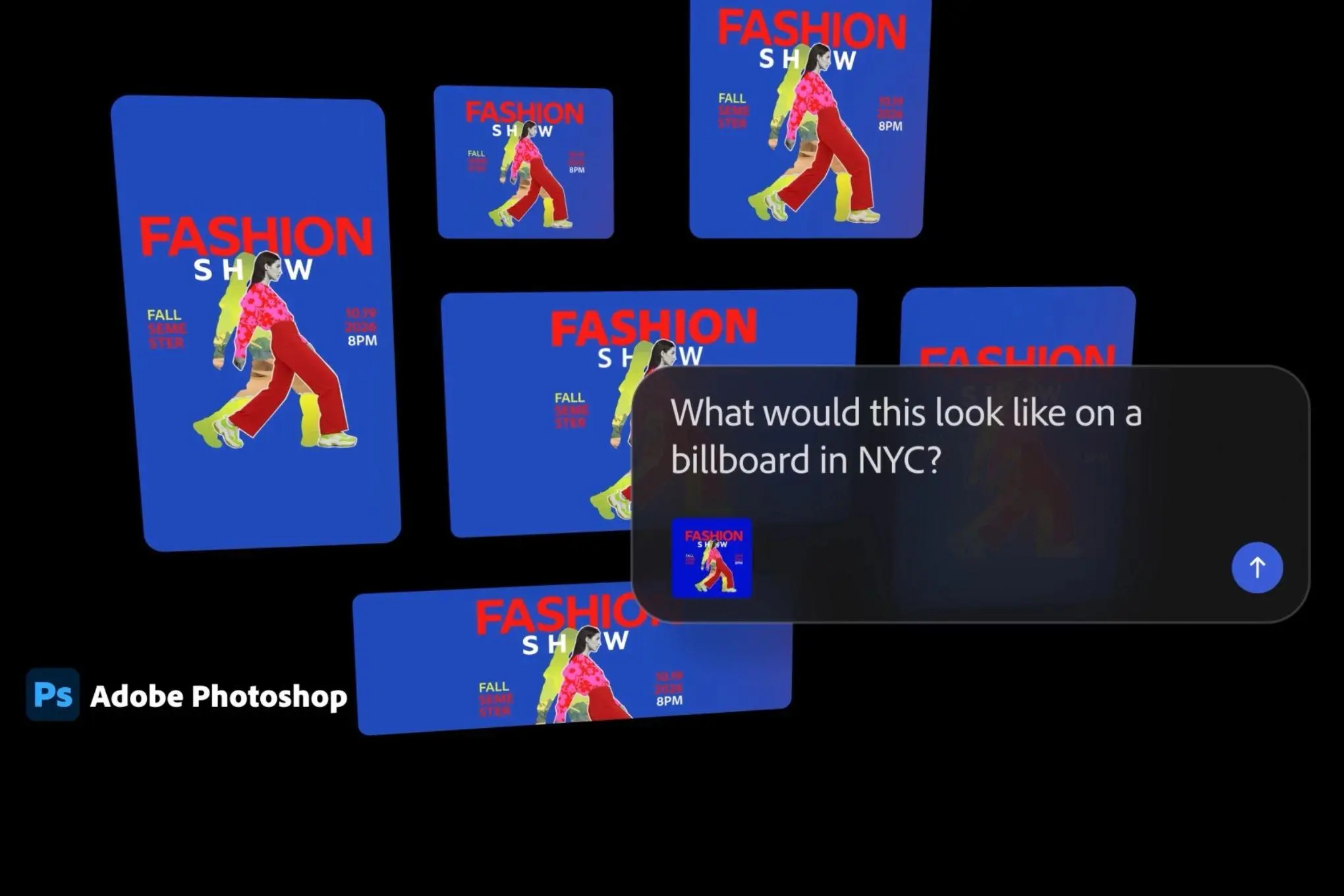
In Photoshop, it can understand layer structure and help turn written prompts into image edits.
Illustrator’s assistant can help create editable vectors, while the InDesign version is tied to layout adjustments and document styling.
Frame.io also gets an assistant, but its job is different.
The product is a collaboration and review platform, so Adobe is using the assistant for project organization, asset summarization, review tracking and help finding the right creative files.
That makes the release less about novelty chat and more about whether AI can reduce the time spent navigating large creative projects.
Professional Adoption Depends On Precision
Creative tools are not the same as general consumer chat apps.
A designer or editor may accept a rough draft, but production work depends on layers, timelines, formats, brand rules and review history.
Adobe’s approach tries to handle that by making each assistant operate as a specialist inside the application where the work happens.
The practical question is control.
If an assistant changes a timeline, adjusts a layout or edits an image, professionals need to understand what changed and how to reverse it.
The source confirms prompt-based editing, app-specific assistants and public beta availability; it does not prove that the assistants can handle complex production files without manual correction.
That limitation is central to the product test.
AI can make creative software feel faster when it handles repetitive steps, but it can also create friction if users must inspect every automated change.
For agencies, media teams and freelancers, the value will come from reliable task completion, not from the presence of another chat panel.
Adobe Is Turning Firefly Into Workflow Infrastructure
The assistants are powered by Adobe’s conversational creative agent and connect with the company’s broader Firefly strategy.
Adobe has been trying to position generative AI as a controlled part of creative production, not only as an image-generation feature.
Putting assistants inside flagship apps gives that strategy more reach because Photoshop and Premiere are already daily tools for many professional users.
The rollout also shows why platform placement matters.
A standalone creative chatbot has to pull users away from their projects.
An assistant inside Photoshop, Premiere or InDesign can read the working context and offer edits where the file already lives.
That does not guarantee accuracy, but it gives Adobe a distribution advantage over tools that sit outside the production environment.
The Useful Evidence Comes From Real Projects
The public beta is the first test of whether Adobe’s assistant model can survive professional habits.
The near-term evidence will be concrete: whether editors keep using the Premiere assistant after the first experiment, whether designers trust Photoshop layer edits, whether Illustrator outputs remain editable, and whether Frame.io summaries actually help teams move reviews faster.
Adobe has named the applications and the assistant roles.
It has not shown broad adoption data, paid conversion figures or independent productivity results for this beta.
Until that evidence appears, the launch is best read as an important product-integration step: AI is no longer sitting next to Creative Cloud; Adobe is putting it inside the tools where creative work is already made.