Digital Euro Vote Moves Payment Sovereignty Into Trilogue Talks
A European Parliament committee approved a digital euro framework and ordered immediate trilogue talks, with online and offline versions targeted by 2029 and a 12-month pilot still ahead.
Digital Euro Rules Move To Final Talks
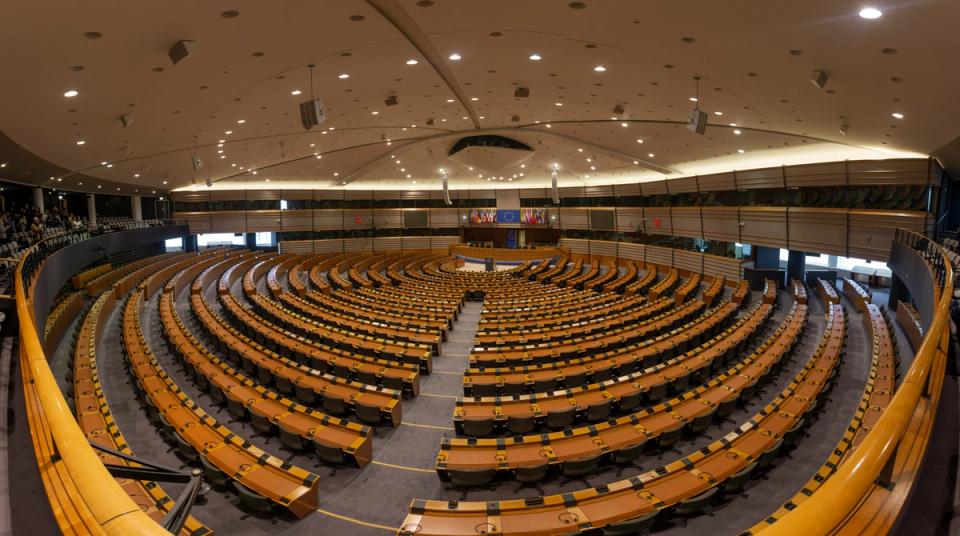
A European Parliament committee has backed the rulebook for a digital euro and sent the file into immediate trilogue negotiations with European Union member states, moving the central bank digital currency project into its final lawmaking stage after three years of clashes with commercial banks.
The vote by the Economic and Monetary Affairs Committee gives the European Central Bank a clearer path to build both online and offline versions of the digital euro by 2029.
The political case is not only payment modernization.
EU officials and ECB President Christine Lagarde have framed the project as a sovereignty measure against reliance on U.S. dollar-pegged stablecoins and foreign card networks.
Markus Ferber, a leading member of the committee, said strengthening payment resilience in Europe has become a geopolitical necessity.
He argued that digital payments cannot remain largely dependent on the goodwill of a few foreign providers.
The next stage now shifts the argument from committee approval to the legal terms that Parliament and member states can accept.
The dispute is already clear: central bankers want a public digital payment instrument, while commercial lenders want safeguards against deposit flight.
Offline Payments Carry The Privacy Claim
The framework includes an offline version that would let users move digital euros directly from phone to phone without an internet connection.
The article describes that design as cash-like privacy, preventing the ECB from seeing what citizens are buying.
Lagarde has also pushed back against surveillance concerns by saying physical cash is not being displaced.
She said digital euros and banknotes can coexist, an important political boundary for a project that has faced public distrust as well as bank lobbying.
Commercial lenders secured strict holding limits on digital euro wallets.
The limits are meant to reduce the risk that citizens move deposits out of traditional bank accounts during a crisis, which has been one of the sector's central objections to the project.
Banks Still Face A Deposit Protection Line
The European argument for a digital euro is tied to market structure.
The EU has pointed to nearly two-thirds of eurozone card transactions being processed by non-European companies, mainly Visa and Mastercard, while stablecoins such as Tether's USDT and Circle's USDC add another foreign-payment dependency.
The ECB now has to test the infrastructure before launch.
A 12-month pilot will use a beta version with selected merchants and payment service providers, giving policymakers a practical test of offline payments, wallet limits and bank-system safeguards.
The unresolved operating issue is the pilot.
The legal framework can move into trilogue talks, but the ECB still has to prove that the digital euro can work with merchants and payment providers without pushing deposits out of banks.