DMT Puts Abu Dhabi Urban Planning Into Live Data And Hologram Systems
Abu Dhabi DMT launched Nabd and a real-time 3D hologram planning system, tying more than 70 data sources, more than 15 connected systems and early 2027 phase-one timing to urban approvals and infrastructure delivery.
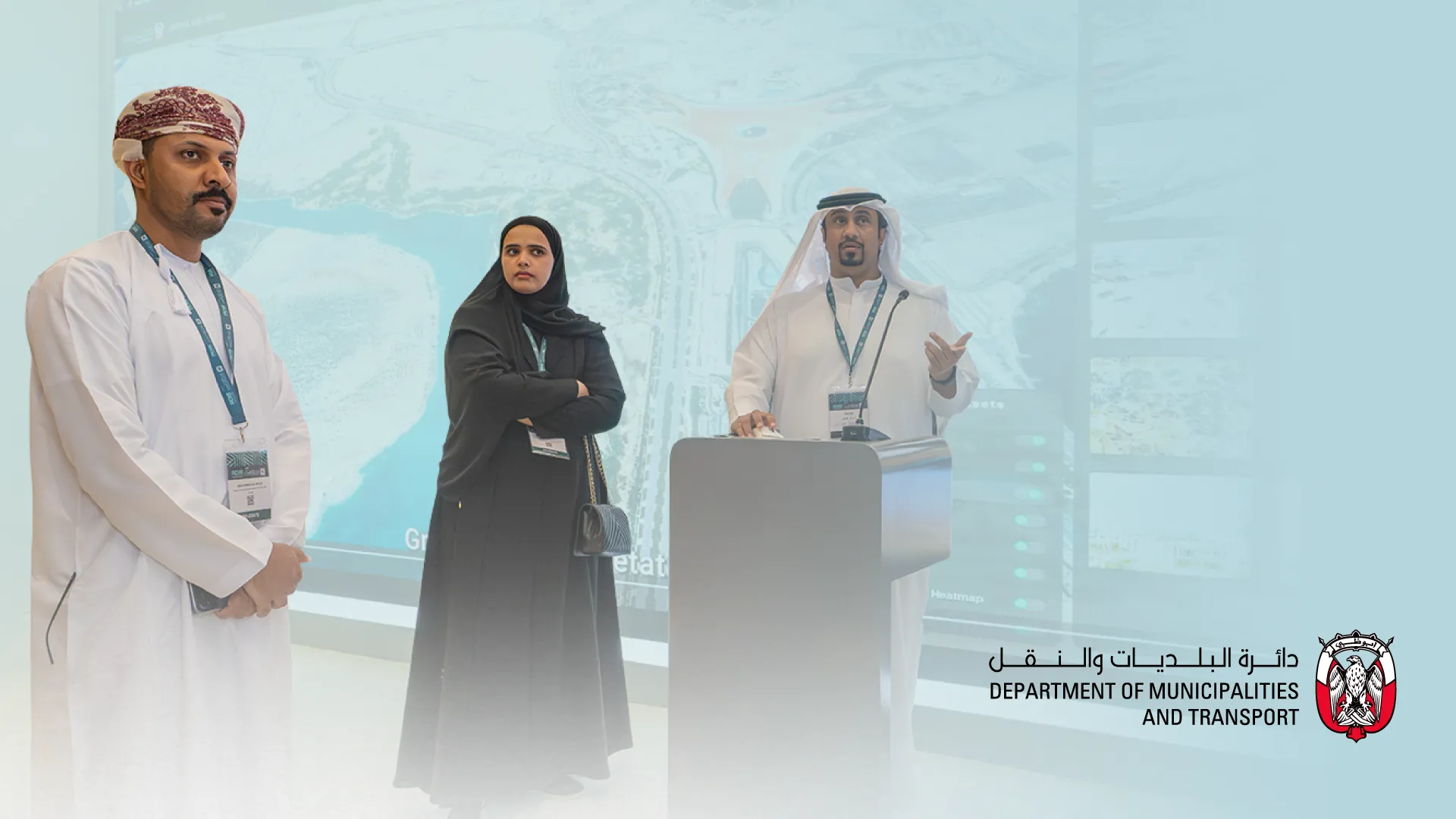
DMT Moves Urban Planning Into Live Data Models
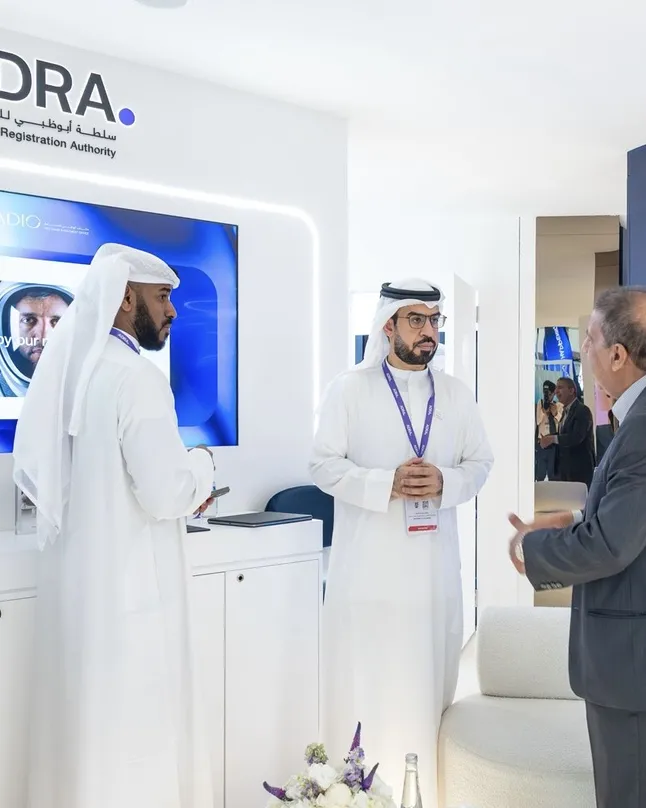
Abu Dhabi's Department of Municipalities and Transport has launched two digital planning technologies designed to make city planning more data-led before projects reach construction.
The announcement puts DMT's urban planning agenda inside digital infrastructure, with tools that connect systems, sensors, design models and service data.
The first tool is Nabd, a platform that pulls DMT operational information, sensor inputs and infrastructure records into one emirate-wide digital model.
DMT says it gives decision-makers a live three-dimensional view of buildings, roads, utilities, underground infrastructure and other urban assets.
Nabd Connects 70 Data Sources
Nabd is built to reduce reliance on separate systems and static information.
DMT says Nabd combines real-time city modelling with operational inputs from over 70 data sources.
It is linked to more than 15 connected systems and also carries planning analytics and liveability indicators.
The dashboard is intended to help DMT judge where service coverage is strong, where new investment may be required and how later development should adjust as community needs shift.
DMT expects phase one of Nabd to start in early 2027.
That timing leaves DMT with an implementation task before the system becomes part of day-to-day approvals, coordination and service delivery.
Holograms Test Places Before Construction
The second technology, Our Holographic Future, is a real-time 3D hologram system.
It uses third-party technology to help planners and decision-makers visualise future development scenarios before construction begins.
DMT says the system goes beyond building appearance.
It can model street-level pedestrian experience, movement through public areas, shade, sightlines, building heights, frontages, public realm and green space interaction.
That makes the tool a planning-risk system as much as a visualisation product.
Delivery Still Depends On Infrastructure Execution
DMT also highlighted projects meant to show how digital planning, urban design and investment connect in Abu Dhabi.
One project is valued at AED450 million and covers two marine bridges from Al Reem Island to Sheikh Khalifa Bin Zayed Highway.
The bridges are designed for up to 7,200 vehicles per hour.
DMT expects them to reduce the busiest travel periods by up to 60 per cent and save commuters up to 15 minutes.
The same project adds two kilometres of routes for walking and cycling, along with landscaping and smart lighting.
The unresolved operating burden is whether Nabd's early 2027 phase one and the hologram planning system can shorten approvals and improve service coordination while DMT continues delivering physical infrastructure at city scale.