Oman's Energy Security Pitch Puts Ports, Private Capital and AI Demand in Focus
Oman was presented as a stronger energy and infrastructure hub as global markets put more weight on supply security and diversified trade routes. The Global Energy Debate at the 2nd Oman Capital Market Conference included Shell Oman, Oman LNG, OQ, BlackRock and Vision Invest. The next signal is whether private capital and infrastructure planning turn Oman's location, ports and energy assets into financed projects.
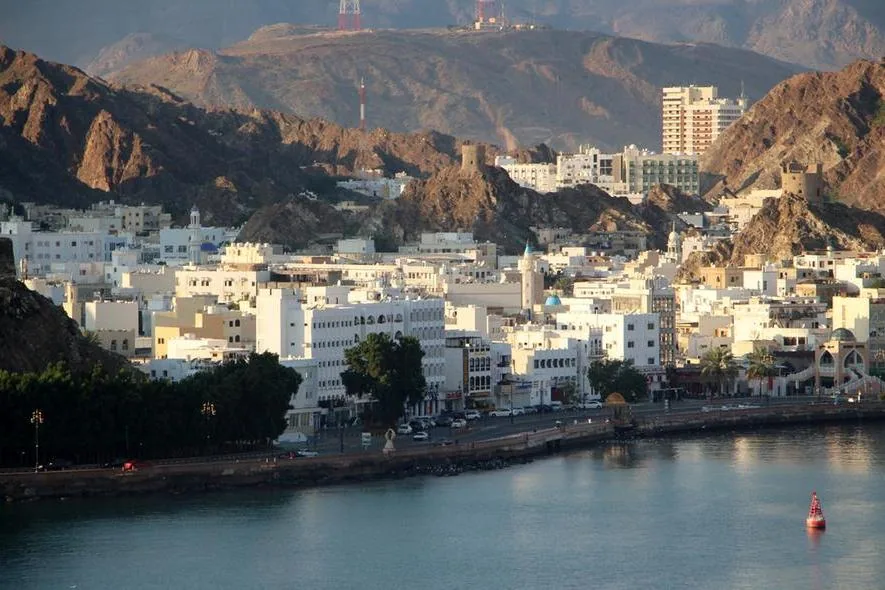
Oman Energy Debate Turns Supply Security Into an Infrastructure Signal
Oman is being positioned as a stronger energy and infrastructure hub as global energy buyers put more weight on security of supply, resilience and diversified trade routes.
At the Global Energy Debate during the 2nd Oman Capital Market Conference, executives and investors discussed how geopolitical tension and supply disruption are changing energy-market priorities.
Shell Oman, Oman LNG, OQ, BlackRock and Saudi Arabia-based Vision Invest were represented in the discussion.
Participants described reliability, resilience, affordability and sustainability as increasingly connected priorities.
Shell Oman's Ali Janabi said customers increasingly want assurance that supply will remain available during periods of uncertainty.
"Markets don't just value energy supply anymore; they value the security of supply," Janabi said.
He added that the traditional just-in-time model of energy delivery is becoming harder to sustain as supply-chain risk and geopolitical fragmentation increase.
Location Becomes Part of the Energy Case
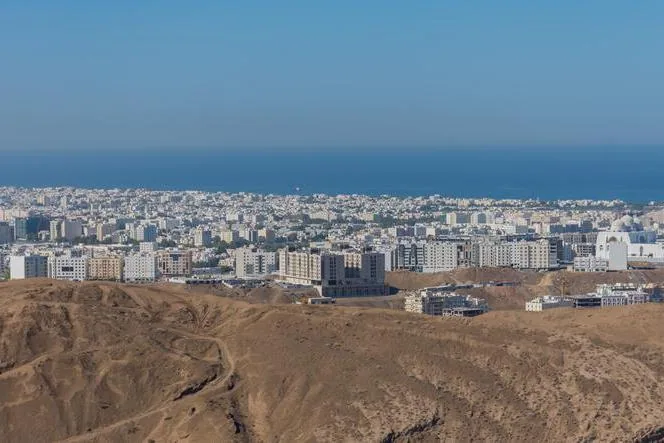
Oman's infrastructure argument rests on geography as well as energy assets.
The debate linked the Sultanate's position outside the Strait of Hormuz with its ports, logistics build-out, renewable-energy plans and hydrogen ambitions.
Zaki Sumar, Deputy Chief Investment Officer of Vision Invest, described Oman as one of the region's strongest infrastructure positions.
"The significance of Oman from an infrastructure and strategic infrastructure perspective is unparalleled," Sumar said.
He said recent regional challenges have reinforced the need to invest in critical infrastructure before crises occur, including alternative pipeline systems and transport corridors.
"Had critical infrastructure such as alternative pipeline systems not existed, the consequences for global energy markets would have been severe," he said.
Sumar also linked Oman's ports, terminals and transport routes to GCC connectivity with Africa and Asian markets.
His comments placed the country's historic ties with East Africa inside a supply-chain argument as demand grows for critical minerals and alternative trade routes.
Private Capital Enters the Energy Debate
Private capital was a second major theme.
Ehsan Khoman, Senior Portfolio Specialist at BlackRock, said years of underinvestment in traditional energy systems are meeting rising demand from artificial intelligence, data centres, electrification and industrial growth.
"We need an all-of-the-above approach," Khoman said.
"The sheer scale of investment required means that the private sector will play an increasingly important role in financing future infrastructure and energy projects."
Khoman said investors are treating energy more strategically as supply constraints persist, rather than viewing it only through a commodity-cycle lens.
Janabi said Shell is applying artificial intelligence and data analytics to reservoir work, production optimisation and operating efficiency.
The technology point was framed as part of energy security, not as a separate software story.
The next signal is whether investors turn Oman's ports, energy assets and clean-energy plans into financed projects that support its role as a supplier and regional gateway for energy and trade.
Summary version for Medium
Oman's Energy Security Pitch Puts Ports, Private Capital and AI Demand in Focus
What the policy signal means for operators and investors
Quick Summary: Oman was presented as a stronger energy and infrastructure hub as global markets put more weight on supply security and diversified trade routes. The Global Energy Debate at the 2nd Oman Capital Market Conference included Shell Oman, Oman LNG, OQ, BlackRock and Vision Invest.
The Core Signal
Oman was presented as a stronger energy and infrastructure hub as global markets put more weight on supply security and diversified trade routes. The Global Energy Debate at the 2nd Oman Capital Market Conference included Shell Oman, Oman LNG, OQ, BlackRock and Vision Invest.
The Technical Or Market Detail
Oman Energy Debate Turns Supply Security Into an Infrastructure Signal Oman is being positioned as a stronger energy and infrastructure hub as global energy buyers put more weight on security of supply, resilience and diversified trade routes.
- Point 1: The central topic is oman, with the announcement framed around concrete operating detail.
- Point 2: At the Global Energy Debate during the 2nd Oman Capital Market Conference, executives and investors discussed how geopolitical tension and supply disruption are changing...
AI deployments now depend on where models, data, approvals and operating teams meet.
Operational Impact Or Limits
Oman was presented as a stronger energy and infrastructure hub as global markets put more weight on supply security and diversified trade routes. The Global Energy Debate at the 2nd Oman Capital Market Conference included Shell Oman, Oman LNG, OQ, BlackRock and Vision Invest.
Read the Full Deep Dive
Want to explore the complete technical analysis, enterprise trade-offs, and detailed metrics?
Read the full article originally published at SendTech Times