Patronus AI Raises $50 Million As Agent Tests Move Past Benchmarks
Patronus AI raised a $50 million Series B to build simulated digital environments for testing AI agents, but its own evidence still centers on revenue growth and customer demand rather than broad proof that agents can run long tasks reliably.
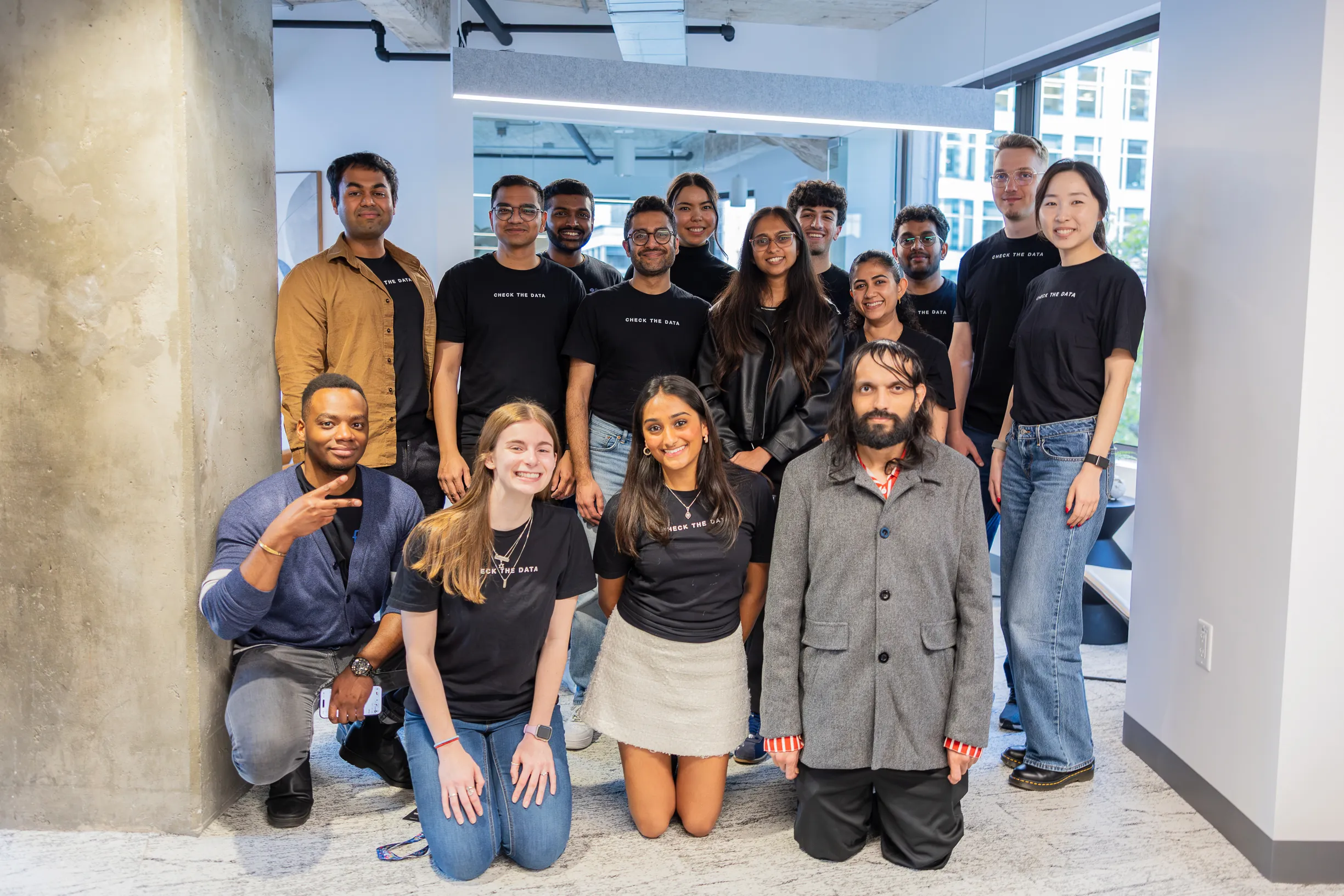
Patronus Sells Agent Testing Beyond Benchmarks
Patronus AI has raised a $50 million Series B for software that tests AI agents inside simulated digital environments, a sign that agent reliability is becoming a spending category for model labs and companies building automated workflows.
Anand Kannappan and Rebecca Qian, who previously worked as Meta AI researchers, founded the San Francisco startup in 2023.
Greenfield Partners led the new round, with participation from Notable Capital, Lightspeed, Datadog and Samsung.
The financing brings Patronus AI's total funding to $70 million.
The company is not pitching another chatbot or model.
It builds what it calls digital world models: replicas of websites and internal systems where AI agents can be tested after training.
The aim is to expose whether an agent can complete multi-step work correctly instead of only producing a strong benchmark score.
That distinction is important for customers that want agents to book trips, run financial analysis or operate across software tools.
A benchmark can show model performance on a defined test, but Patronus is selling controlled environments where an agent's behavior can be checked across more varied tasks.
Revenue Growth Brings Funding Interest
Patronus AI says revenue has grown 15-fold over the past year.
Glenn Solomon, a managing director at Notable Capital, said virtually every frontier AI lab and many emerging startups are customers, and described demand for the company's simulated environments as nearly insatiable.
Those claims give the round more evidence than a standard AI tooling launch.
They still leave commercial limits.
Patronus did not publish revenue, customer counts, contract values or retention figures, so the funding announcement shows momentum without giving a full operating picture.
The company currently provides simulated digital worlds for software engineering and finance.
Kannappan said the startup is focused on problems that can be immediately checked and verified, while harder-to-verify areas remain outside the first wave of work.
Patronus also frames the product as part of reinforcement learning.
Agents can operate inside the simulated environment, receive rewards for successful task completion and penalties for mistakes.
The company compares the approach to autonomous-vehicle simulation, where rare hazards can be tested before cars face them on public roads.
Long-Running Agents Remain The Hard Problem
The harder target is duration.
Kannappan said Patronus wants to create environments where an agent can operate for 10 hours, 10 days or 10 weeks.
That is a different reliability bar from answering a prompt or completing a short workflow.
The startup says its main competition is not only other vendors.
Patronus believes frontier AI labs have already built internal teams to evaluate agent behavior.
Human-data firms such as Mercor and Surge help model makers with reinforcement learning, but Patronus says it evaluates agent behavior without human involvement.
That positioning makes the round an enterprise AI governance story as much as a venture story.
Companies adopting agents need to know whether automated systems can handle exceptions, avoid shortcuts and finish tasks without constant human repair.
Patronus has funding, investor demand and named sectors for early use, while the unresolved proof is whether simulated environments can predict agent behavior during long, messy work outside the test world.