AI's Job Disruption Concerns Raised at Vatican Event
Anthropic co-founder Christoph Olah highlighted the potential for AI to displace jobs on a large scale during a Vatican event. Pope Leo XIV emphasized the need for stronger regulations to address the ethical implications of rapidly advancing technologies. The discussions signal a growing recognition of the societal impact of AI beyond the tech industry.
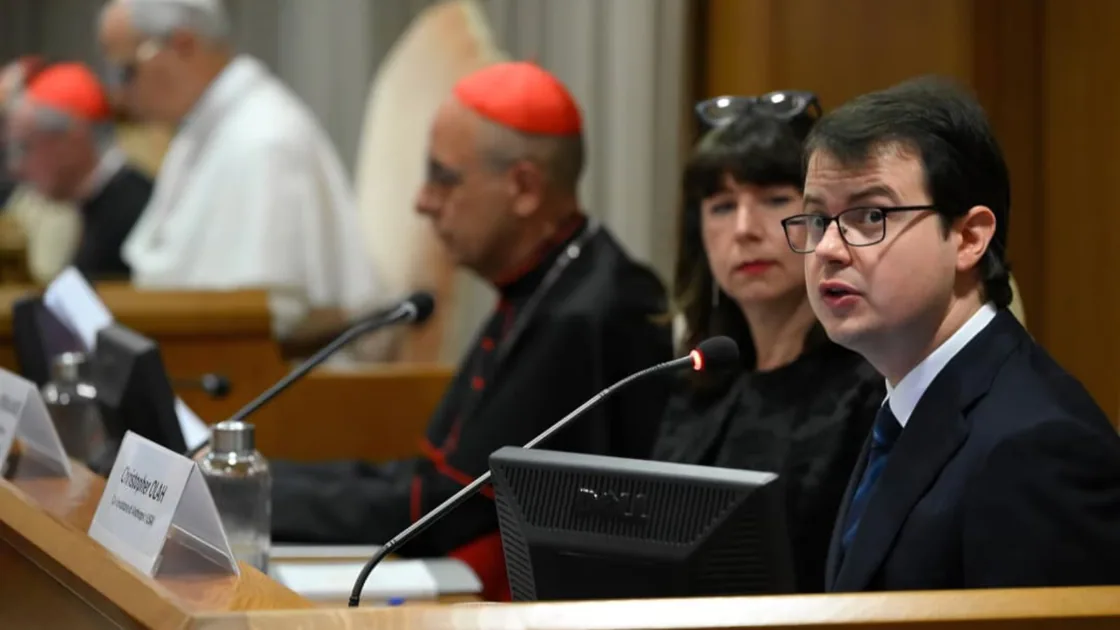
On May 25, during a Vatican event, Christoph Olah, co-founder of Anthropic, warned that artificial intelligence could displace human labor on a significant scale.
His remarks coincided with Pope Leo XIV's presentation of his encyclical, "Magnifica Humanitas," which addresses the moral and social challenges posed by AI technology.
Olah's comments reflect increasing concerns about how AI systems are reshaping employment landscapes.
He noted that there is a "real possibility" of job disruption if AI is deployed widely.
This potential shift in labor markets raises critical questions about how society will support those affected by automation.
The Moral Imperative
Olah emphasized that if AI leads to widespread job displacement, supporting those impacted will become a moral imperative of historic proportions.
The urgency of this issue highlights the need for proactive measures to safeguard the workforce as technology evolves.
Calls for Regulation
Pope Leo XIV called for stronger government regulation of AI companies, criticizing the concentration of power in the digital realm.
He expressed concerns about unchecked technological advancements and their implications for society.
This call for regulation aligns with Olah's acknowledgment of the pressures facing AI companies, which often operate under competitive and geopolitical constraints that may not prioritize societal interests.
Ethical Discussions Beyond Tech
Olah welcomed the Vatican's engagement with AI, arguing that ethical discussions should extend beyond the tech industry.
He believes that institutions like governments, civil society groups, and religious organizations play a vital role in shaping AI's development and governance.
This perspective underscores the importance of inclusive dialogues about technology's impact on humanity.
The Broader Context
As AI systems become increasingly capable of performing tasks traditionally done by humans, concerns about workforce disruption are intensifying.
Industries that rely on repetitive digital work are particularly vulnerable.
The Vatican's stance reflects a broader societal concern about the ethical implications of AI, emphasizing the need for accountability and equitable solutions.
Next Steps in AI Regulation
The discussions at the Vatican signal an important shift in how AI is perceived in relation to human dignity and social impact.
The Pope's collaboration with Anthropic suggests a commitment to exploring ethical frameworks for AI deployment.
Future regulatory developments will be crucial in addressing the challenges posed by AI technologies and ensuring they serve the common good.
Summary version for Medium
AI's Job Disruption Concerns Raised at Vatican Event
What the announcement means beyond the headline
Quick Summary: Anthropic co-founder Christoph Olah highlighted the potential for AI to displace jobs on a large scale during a Vatican event. Pope Leo XIV emphasized the need for stronger regulations to address the ethical implications of rapidly advancing technologies.
The Moral Imperative
Olah emphasized that if AI leads to widespread job displacement, supporting those impacted will become a moral imperative of historic proportions. The urgency of this issue highlights the need for proactive measures to safeguard the workforce as technology evolves.
Calls for Regulation
Pope Leo XIV called for stronger government regulation of AI companies, criticizing the concentration of power in the digital realm.
- Point 1: The central topic is AI, with the announcement framed around concrete operating detail.
- Point 2: He expressed concerns about unchecked technological advancements and their implications for society.
The important shift is not the AI label, but the operating boundary it creates for teams.
Ethical Discussions Beyond Tech
Olah welcomed the Vatican's engagement with AI, arguing that ethical discussions should extend beyond the tech industry. He believes that institutions like governments, civil society groups, and religious organizations play a vital role in shaping AI's development and governance.
Read the Full Deep Dive
Want to explore the complete technical analysis, enterprise trade-offs, and detailed metrics?
Read the full article originally published at SendTech Times