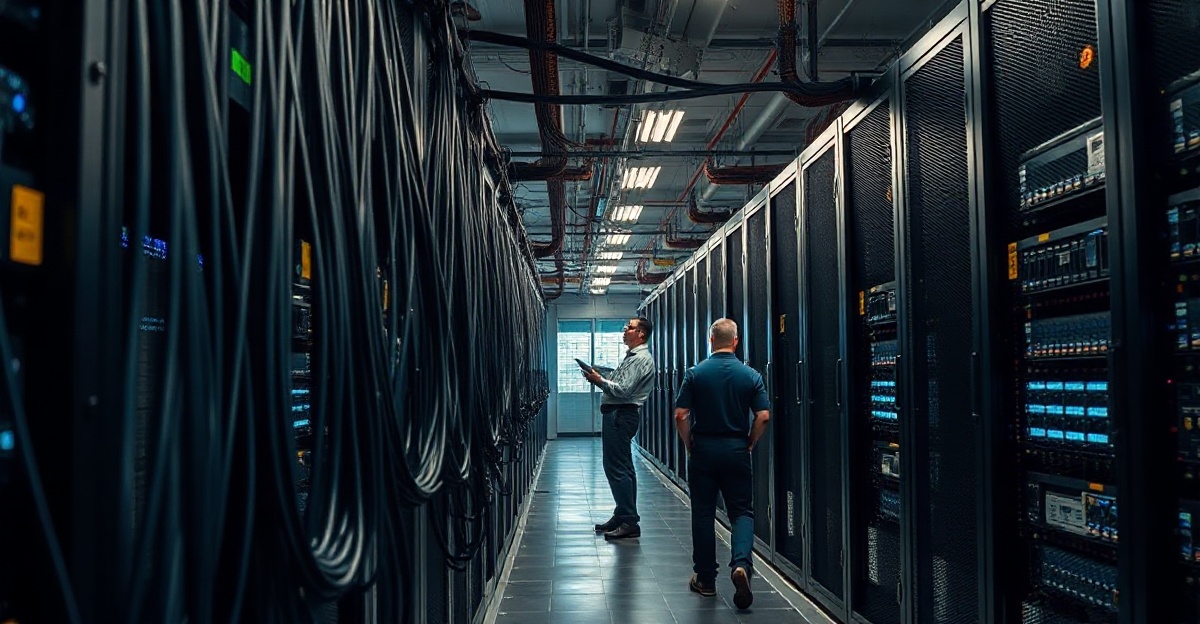
AT&S Backs Malaysia AI Substrate Expansion With Customer Commitments
AT&S plans a customer-backed Kulim expansion for IC substrates and advanced PCBs, naming AMD as one customer as AI hardware demand moves deeper into the semiconductor supply chain.
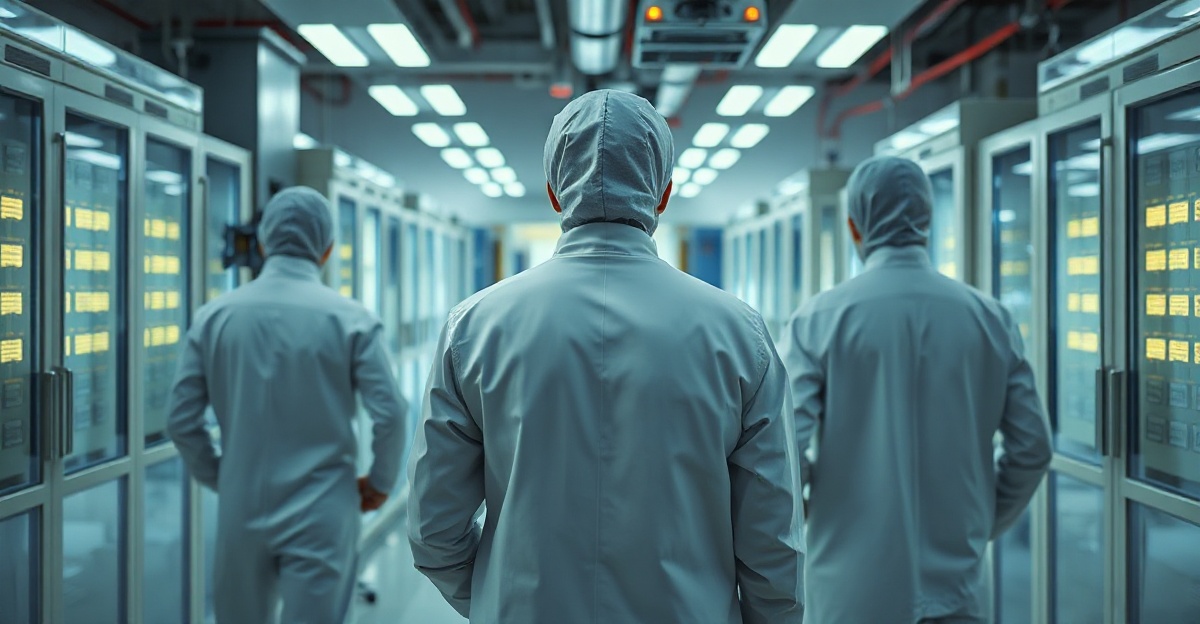
AT&S Puts Kulim At The Center Of Its AI Substrate Bet
AT&S is expanding its manufacturing footprint in Kulim, Malaysia, with a planned € 1.5 to 2.0 billion investment tied to long-term customer commitments.
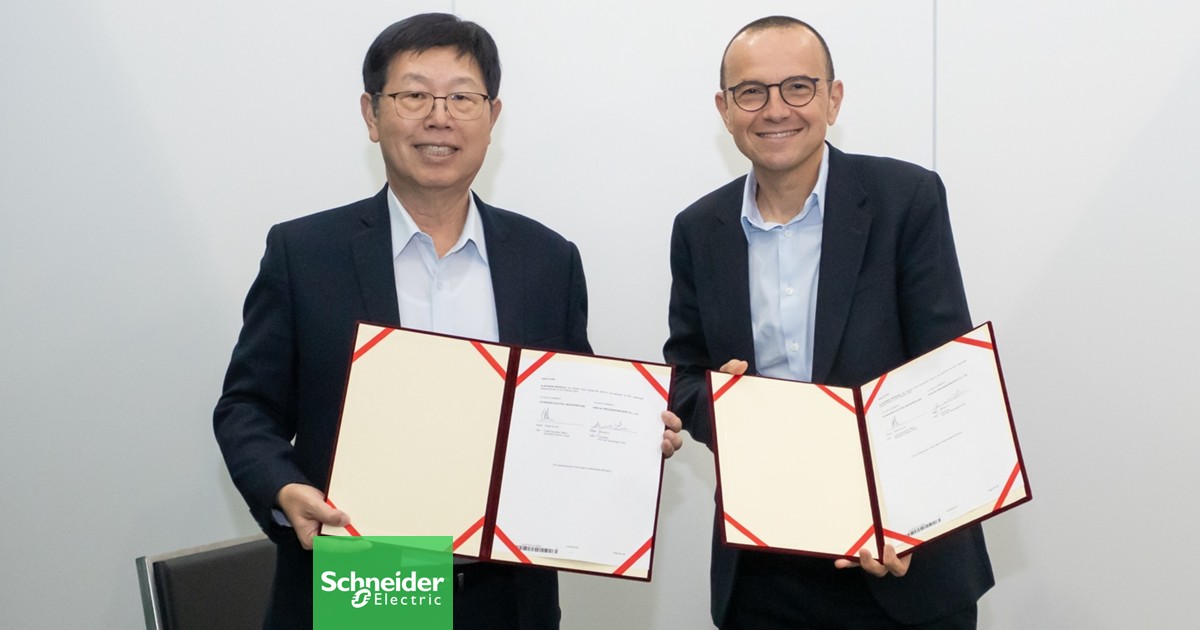
The Austrian interconnect specialist said the program is based on agreements with AMD and another unnamed technology company, giving the project a customer-backed structure rather than a speculative capacity build.
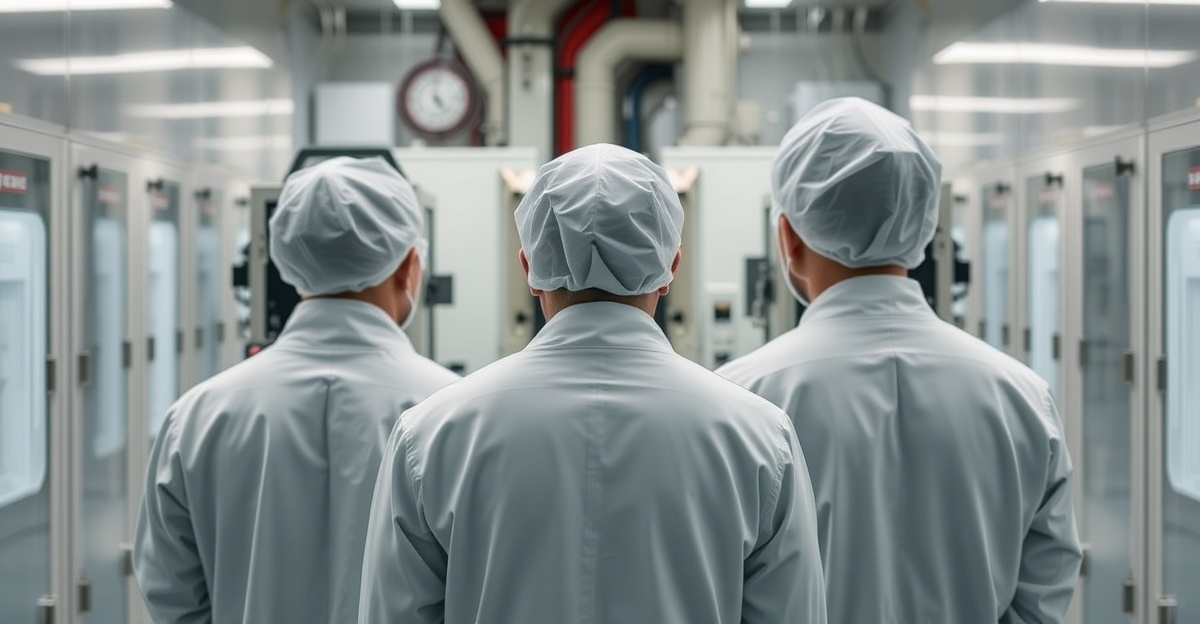
The expansion covers the fit-out of the existing structure of plant 2, after the ramp-up of plant 1, and adds a new manufacturing site for IC substrate cores and advanced printed circuit boards.
For AI infrastructure buyers, the relevant detail is not only the size of the spend.
AT&S is directing capital toward the substrate layer that connects advanced processors, chiplets, memory and high-density circuit designs inside AI systems.
Customer Commitments Shape The Financing
AT&S said the € 1.5 to 2.0 billion plan is fully supported and financed by long-term customer commitments, though final negotiation and execution still remain.
The company also said customer payments are expected to support revenue and earnings in the current year, while the full operational effect will come over the next couple of years.
That structure gives the Kulim project a clearer commercial anchor than a broad AI capacity announcement.
AMD is named as one customer, while the second technology company remains unidentified.
The disclosed terms show that leading chip buyers are reserving supply deeper in the component stack as AI hardware demand moves beyond processors alone.
AI Architecture Is Pulling Demand Into Substrates
AT&S framed the expansion around changes in semiconductor architecture.
Demand is moving beyond GPUs into CPUs, memory and heterogeneous systems, while chiplet-based designs require more advanced interconnect and packaging support.
The company also pointed to larger substrate form factors, higher layer counts, tighter energy-efficiency requirements and faster innovation cycles.
Those details matter because IC substrates are not a headline component for most AI infrastructure buyers, yet they can become a constraint when processors, memory and boards need to scale together.
Kulim therefore becomes part of a wider supply-chain response to AI infrastructure growth, with Malaysia adding another major node alongside AT&S production sites in Austria, China and India.
Guidance Moves With The Expansion
The Kulim plan also changed the company’s financial-year 2026/27 outlook.
Revenue on a constant-currency basis is now guided to grow 45 to 55%, replacing the earlier 30 to 35% range.
The EBITDA margin target moved to 32 to 37%, above the prior 25 to 29% range.
Capital spending is being lifted with the same announcement.
For 2026/27, management set the CAPEX plan at roughly € 1.0 to 1.2 billion, compared with the previous € 400 million plan, while still targeting positive operating free cash flow.
The next checkpoint is whether AT&S converts the AMD-backed commitments and the unnamed second customer agreement into executed contracts on the schedule needed for the expansion to affect operations over the next couple of years.