SK And Nvidia Expand Korea Chip Alliance Into AI Factory Plans
SK Group and Nvidia plan to extend their chip partnership into Korean AI factories, with SK Telecom expected to operate the infrastructure push and SK hynix remaining central to Nvidia memory supply.
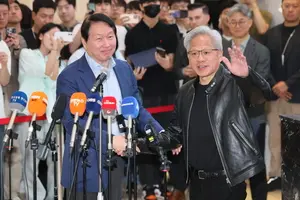
SK And Nvidia Push Their Chip Alliance Into AI Factories
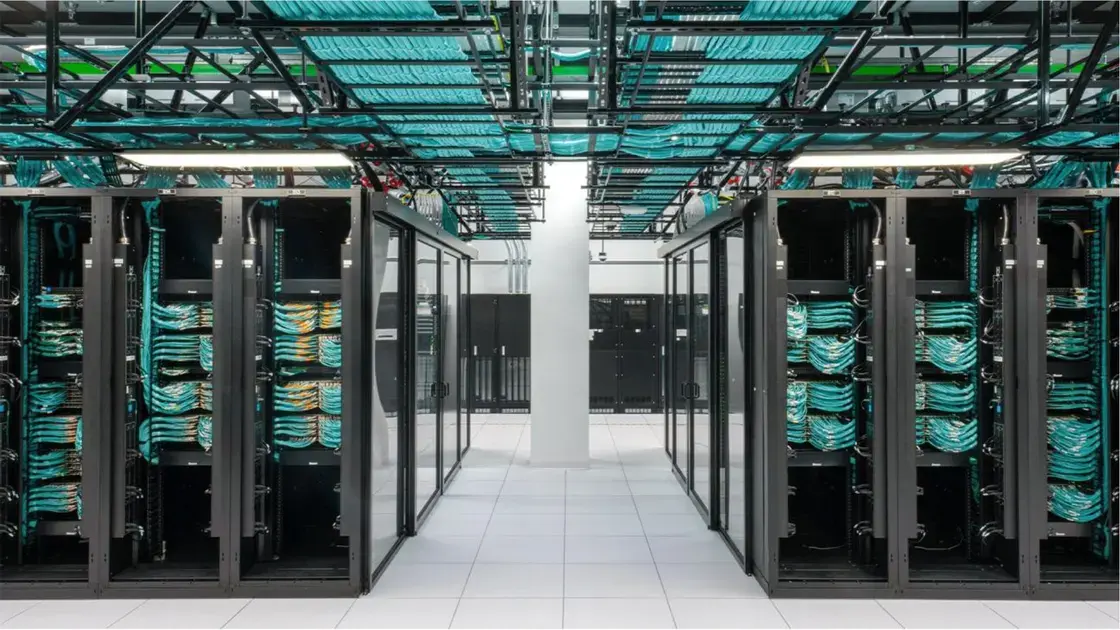
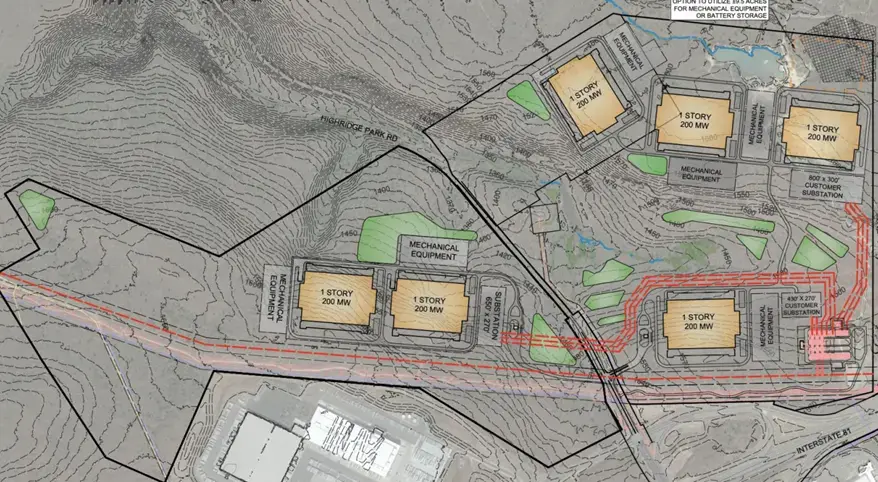
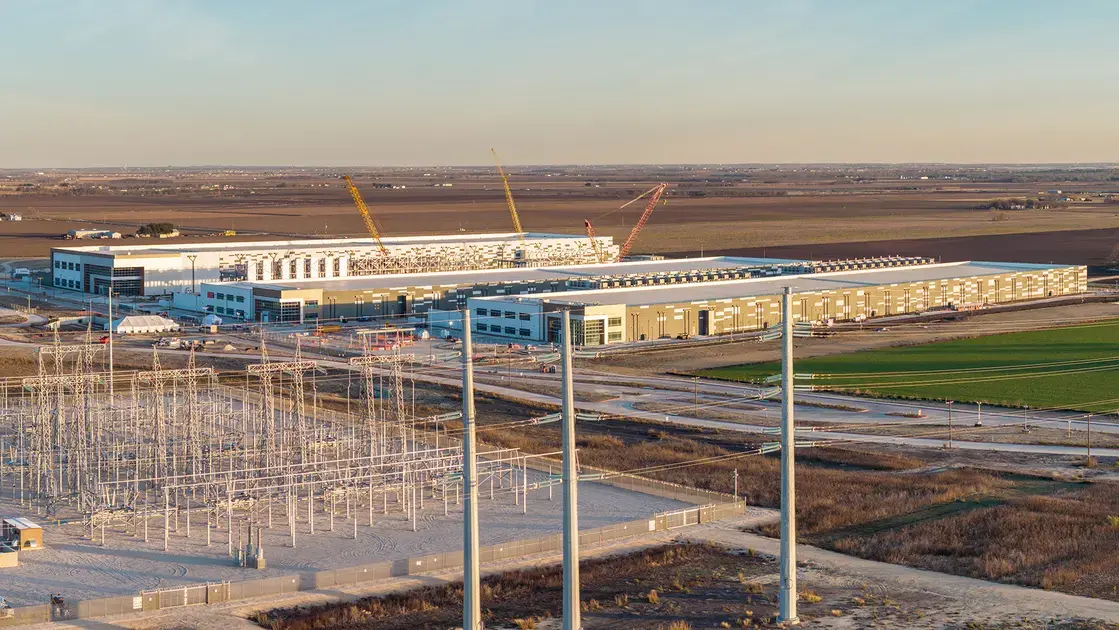
SK Group and Nvidia are expanding a long-running semiconductor relationship into artificial intelligence infrastructure, with plans to build what the companies call AI factories in Korea.
The move was laid out by SK Group Chairman Chey Tae-won and Nvidia CEO Jensen Huang during a Monday briefing at SK Group's headquarters in central Seoul.
The shift is important because the partnership is no longer framed only around memory-chip supply.
Chey said earlier cooperation had centered on memory, but that SK now intends to raise the relationship to the SK Group level and build future AI factories with Nvidia.
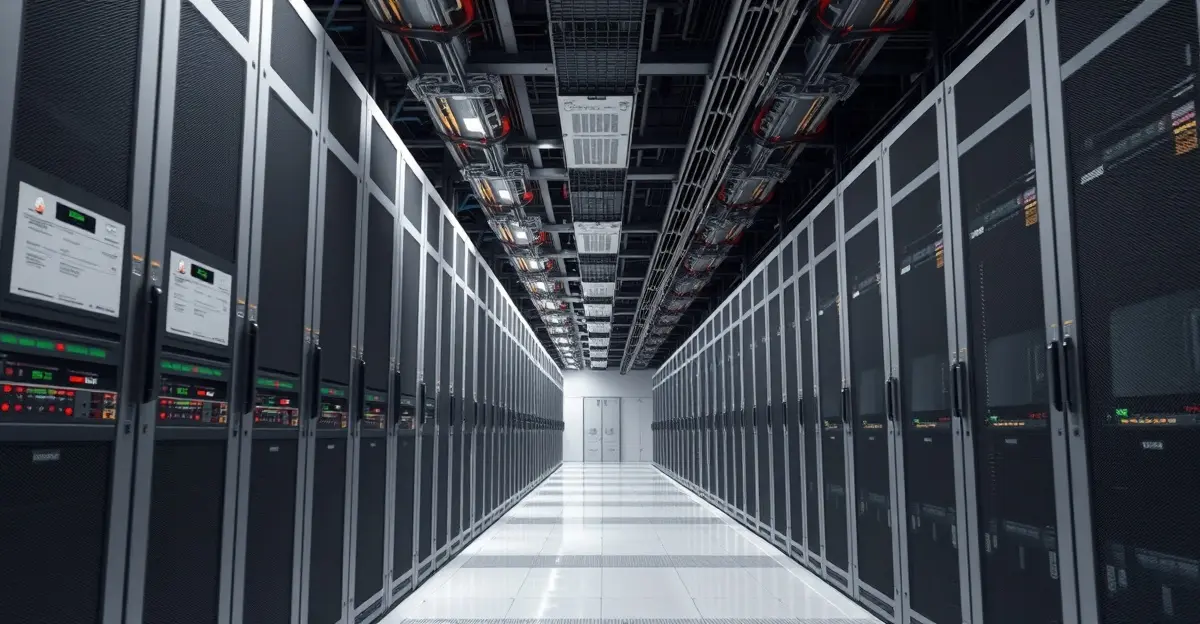
He described AI factories broadly as AI data centers and related infrastructure, including SK hynix semiconductor fabs.
That definition ties the announcement to two parts of Korea's AI stack at once: Nvidia's computing platform and SK's memory, telecom and infrastructure assets.
Chey also said SK and Nvidia would work on a research and development road map to respond to fast-changing demand for AI computing.
SK Telecom Gets The Operating Role
SK Telecom is positioned as the operator that would turn the alliance into deployed infrastructure.
Its work with Nvidia is tied to SK's plan for what the group describes as Asia's largest AI infrastructure platform.
Huang specifically connected SK Telecom and Nvidia to AI factories in Korea, saying AI factories are needed by the population, education, universities, scientific labs, startup companies and industries.
The claim is broad, but it identifies the customer base SK and Nvidia want to serve: not only hyperscale cloud buyers, but domestic institutions and enterprises that need computing capacity.
At the same Monday meeting, SK and Nvidia examined the infrastructure road map and agreed that cooperation should extend across SK Group.
That makes the partnership wider than a single supply contract, even though The public record still lacks a specific construction timeline, site list, capacity target or customer contract for the proposed AI factories.
Memory Supply Remains The Anchor
For SK hynix, the announcement protects its role in Nvidia's memory pipeline as high-bandwidth memory becomes central to AI systems.
Huang tied part of Nvidia's AI expansion to SK's memory technology and said SK hynix has been Nvidia's largest memory partner.
Chey framed the commercial relationship as mutually central: SK hynix stays as Nvidia's biggest memory supplier, and Nvidia stays as SK hynix's biggest customer.
The financial exposure is already large.
In SK hynix's quarterly report, Nvidia-related sales were listed at about 7.78 trillion won ($5.05 billion) for the first quarter of this year, and Nvidia is widely seen as SK hynix's largest single customer.
The Next Test Is Execution, Not Messaging
The current evidence establishes a senior-level SK-Nvidia commitment, an SK Telecom operating role, an AI infrastructure road map and a continuing SK hynix memory-supply relationship.
The next proof point is whether those commitments turn into named AI factory projects, disclosed capacity, customers or deployment schedules in Korea.
Until those details appear, the announcement is best read as a strategic expansion of an existing chip alliance.
It shows SK trying to move from component supply into AI infrastructure operations, while Nvidia gains a Korean partner with memory, telecom and data-center ambitions.
Summary version for Medium
SK And Nvidia Expand Korea Chip Alliance Into AI Factory Plans
Why this hardware shift matters for AI and compute buyers
Quick Summary: SK Group and Nvidia plan to extend their chip partnership into Korean AI factories, with SK Telecom expected to operate the infrastructure push and SK hynix remaining central to Nvidia memory supply.
SK And Nvidia Push Their Chip Alliance Into AI Factories
SK Group and Nvidia are expanding a long-running semiconductor relationship into artificial intelligence infrastructure, with plans to build what the companies call AI factories in Korea. The move was laid out by SK Group Chairman Chey Tae-won and Nvidia CEO Jensen Huang during a Monday briefing at SK Group's headquarters in central Seoul.
SK Telecom Gets The Operating Role
SK Telecom is positioned as the operator that would turn the alliance into deployed infrastructure.
- Point 1: The central topic is AI infrastructure, with the announcement framed around concrete operating detail.
- Point 2: Its work with Nvidia is tied to SK's plan for what the group describes as Asia's largest AI infrastructure platform.
AI deployments now depend on where models, data, approvals and operating teams meet.
Memory Supply Remains The Anchor
For SK hynix, the announcement protects its role in Nvidia's memory pipeline as high-bandwidth memory becomes central to AI systems. Huang tied part of Nvidia's AI expansion to SK's memory technology and said SK hynix has been Nvidia's largest memory partner.
Read the Full Deep Dive
Want to explore the complete technical analysis, enterprise trade-offs, and detailed metrics?
Read the full article originally published at SendTech Times