SK Telecom Targets 15GW AI Data Centre Buildout Without Full Timeline
SK Telecom said its South Korea AI data centre plan could reach 15GW, while the government cited an initial 8.4GW programme. SKT did not give a full cost or delivery timetable for the remaining 10GW.
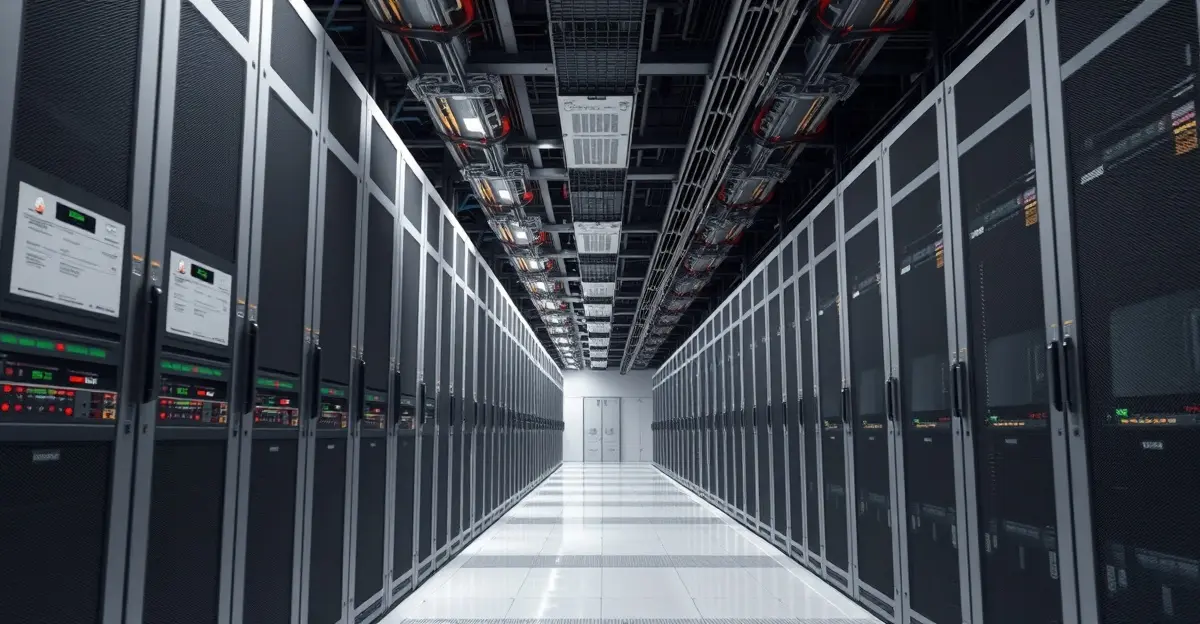
SK Telecom has put a 15GW ceiling on its long-term AI data centre plan in South Korea, but the company has not given a complete funding or delivery timetable for the final 10GW of that buildout.
The SK Telecom 15GW AI data centre plan in South Korea sits alongside government-backed projects that also involve SK, GS Group, Naver, Samsung Electronics and SK Hynix.
South Korea's government said the first phase involves SK, GS Group and Naver, about 550 trillion won of investment and 8.4GW of planned AI data centre capacity.
The same plan targets the start of construction by the first half of 2028, while the country's science minister said total investment could exceed 1,000 trillion won by around 2035.
SKT said its own programme would start from the AI data centre already under construction in Ulsan.
The company described AI data centre infrastructure as a mix of semiconductors, energy solutions, construction and operations, rather than a server-buildout alone.
SK Telecom Targets 5GW Before The Remaining 10GW
SKT said its first domestic phase includes the Ulsan project and additional sites in the southeastern Gyeongsang region that together exceed 2GW.
The company also plans 1GW of AI data centre capacity in the southwestern Jeolla region.
Together, SKT said those projects would bring its domestic AI data centre capacity to 5GW.
The company said staged openings are planned from 2029, and the full buildout could eventually reach 15GW.
The company did not provide a complete timetable for the remaining 10GW of planned capacity.
It also did not provide a total cost estimate for the 15GW programme, leaving the long-range plan larger than the disclosed first-phase delivery schedule.
One-Gigawatt Sites Carry A KRW 70 Trillion Reference Cost
SKT said a typical 1GW-class AI data centre could require about KRW 70 trillion because of high-performance computing infrastructure and rising memory prices.
SKT framed that figure as a reference for gigawatt-scale AI data centre construction, not as a total budget for the 15GW plan.
The company said funding for planned projects is expected to come from its own investment, strategic partner investment, long-term customer contracts and project financing.
In its regulatory filing, SK Telecom described possible funding structures built around strategic partners.
The named sources of capital include global technology companies and overseas investors.
SKT cited McKinsey & Company forecasts putting annual global data centre demand growth at 19% to 22% and total demand at 171GW to 219GW by 2030, with the US alone facing a possible shortfall of about 15GW by 2030.
SKT Names Memory, Power And Cooling Inputs
SKT named South Korea's high-bandwidth memory industry, nuclear and liquefied natural gas-based power supply, and large semiconductor-facility operating experience as advantages for AI data centre development.
According to the International Energy Agency's Base Case, global data centre electricity consumption is projected to double to about 945 TWh by 2030.
The IEA case names AI as the main driver for that demand.
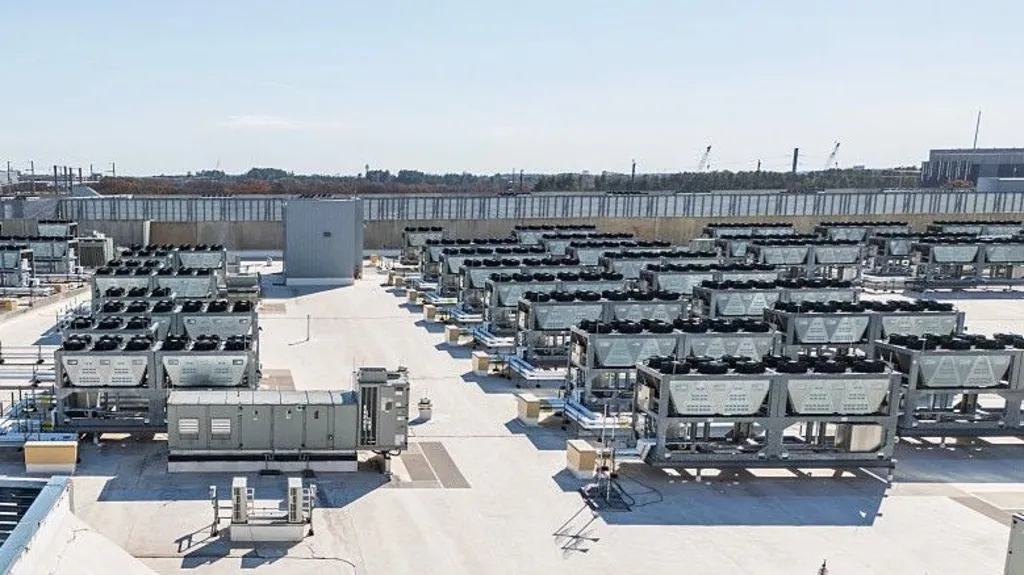
Uptime Institute separately flagged power and cooling pressure around dense AI racks.
The Uptime survey said 29% of operators are upgrading existing data hall space for high-performance IT systems.
The wider Korean package also includes chip manufacturing.
Samsung's regulatory filing lists domestic investment of 2,450 trillion won between 2026 and 2040.
According to Samsung's regulatory filing, 2,100 trillion won of that total is allocated to semiconductor clusters including Pyeongtaek and the Yongin industrial complex.
Reuters reported separate Samsung chip spending plans for Gwangju, Cheonan and Onyang, including 400 trillion won for new fabs and 56 trillion won for advanced high-bandwidth memory fabs.
According to SK Group, its long-term pipeline includes about 1,100 trillion won for chip projects and about 1,000 trillion won for AI data centre projects.
SK Hynix said its fourth Yongin semiconductor-cluster fab target moved to 2033 from the earlier 2045 target.
SK Hynix also plans a 400 trillion won chip production base in the southwest with execution staged by market demand and board approvals.
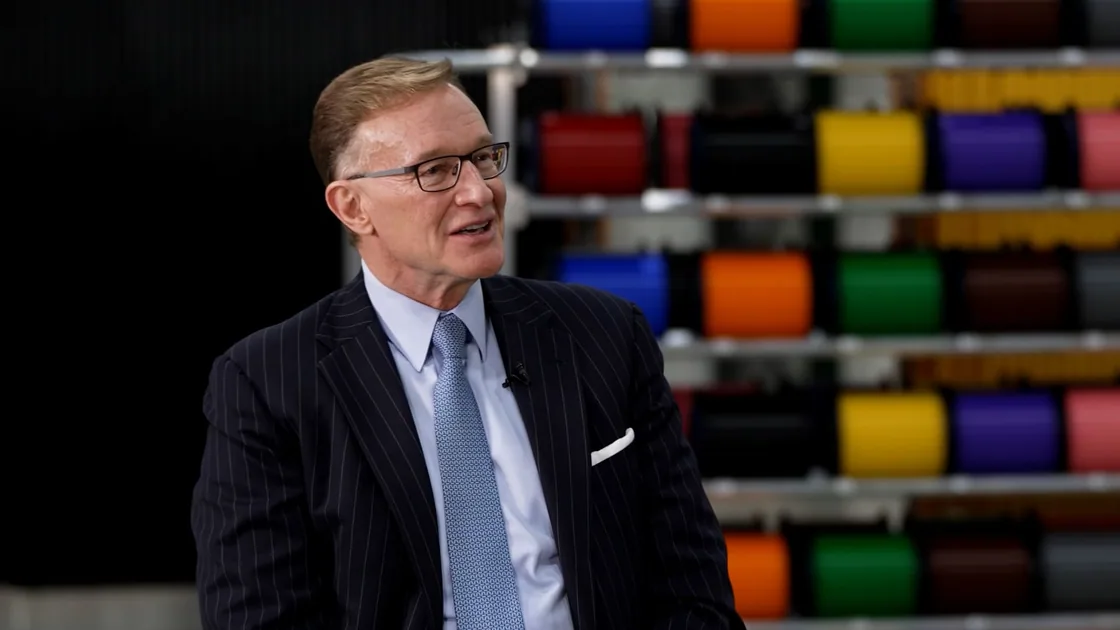
SKT CEO Jung Jai-hun said the AI data centre project is meant to prepare computing infrastructure for the global AI ecosystem and help Korea become Asia's core AI infrastructure hub.
SKT did not disclose signed customers, power-procurement contracts, site-by-site grid approvals, the full funding stack, or a delivery timetable for the remaining 10GW of planned capacity.
Summary version for Medium
SK Telecom Targets 15GW AI Data Centre Buildout Without Full Timeline
Why SK Telecom matter now for cloud infrastructure teams
Quick Summary: SK Telecom said its South Korea AI data centre plan could reach 15GW, while the government cited an initial 8.4GW programme. SKT did not give a full cost or delivery timetable for the remaining 10GW.
SK Telecom Targets 5GW Before The Remaining 10GW
SKT said its first domestic phase includes the Ulsan project and additional sites in the southeastern Gyeongsang region that together exceed 2GW. The company also plans 1GW of AI data centre capacity in the southwestern Jeolla region.
One-Gigawatt Sites Carry A KRW 70 Trillion Reference Cost
SKT said a typical 1GW-class AI data centre could require about KRW 70 trillion because of high-performance computing infrastructure and rising memory prices.
- Point 1: The central topic is cloud-data-centers, with the announcement framed around concrete operating detail.
- Point 2: SKT framed that figure as a reference for gigawatt-scale AI data centre construction, not as a total budget for the 15GW plan.
The important shift is not the AI label, but the operating boundary it creates for teams.
SKT Names Memory, Power And Cooling Inputs
SKT named South Korea's high-bandwidth memory industry, nuclear and liquefied natural gas-based power supply, and large semiconductor-facility operating experience as advantages for AI data centre development. According to the International Energy Agency's Base Case, global data centre electricity consumption is projected to double to about 945 TWh by 2030.
Read the Full Deep Dive
Want to explore the complete technical analysis, enterprise trade-offs, and detailed metrics?
Read the full article originally published at SendTech Times