SK Telecom, NTT And Chunghwa Turn AI Fund Into Asia Infrastructure Bet
SK Telecom, NTT and Chunghwa Telecom plan a $500 million IOWN AI Fund targeting AI data centers, semiconductors, software and optical communications technologies.
Asian Carriers Put AI Capital Behind Infrastructure Bottlenecks
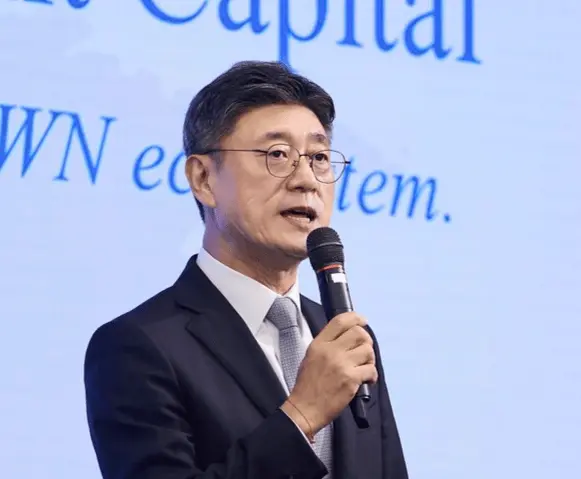
SK Telecom, Japan's NTT and Taiwan's Chunghwa Telecom are turning regional telecom cooperation into an AI investment vehicle.
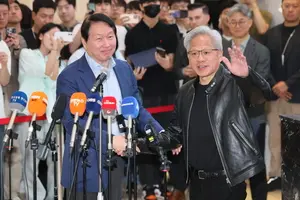
The companies plan to establish the IOWN AI Fund, with an expected size of $500 million, after announcing the plan at NTT headquarters in Tokyo's Otemachi district.
The fund is not framed as a narrow software bet.
Its target areas include AI data center infrastructure, AI semiconductors, cloud-distributed software, inference optimization, industrial AI services and optical networking tools designed to raise transmission performance while reducing power pressure.
That mix matters for telecom operators because AI demand is pushing pressure into power, cooling, chips, networks and service deployment at the same time.
A carrier-backed fund gives the three companies a way to look for startups that can support both infrastructure efficiency and new AI services.
Catalight Capital Gives The Fund A Cross-Border Structure
The three companies also agreed to create Catalight Capital to manage the fund from a Silicon Valley and East Asia base.
That structure gives the fund a wider sourcing base than a single-country corporate venture programme.
The investment search is global, spanning North America as well as Asia and Europe.
The geography is important because the investment thesis spans AI accelerators, GPUs, NPUs, liquid cooling, power-efficiency optimization and optical communications, all of which sit across different supplier clusters.
The fund also gives SK Telecom, NTT and Chunghwa Telecom a shared mechanism for technology validation and customer development.
The companies said portfolio support will go beyond financial investment and include help with service advancement and new business models.
Chips, Cooling And Optical Links Are The Core Test
The investment categories show where the carriers see constraints building.
AI data centers need better power efficiency and cooling.
AI workloads need semiconductors such as accelerators, GPUs and NPUs.
Distributed cloud systems need software that can improve inference operations, while optical communications remain central to moving data with lower power pressure.
Those priorities make the fund relevant beyond ordinary startup financing.
If the portfolio produces useful technology, the carriers could gain earlier access to tools that reduce AI infrastructure costs or improve service deployment across B2B and B2C markets.
First Investments Will Show How Strategic The Fund Becomes
The next watchpoint is the first round of investments.
Recruitment for that round is expected to be completed soon, followed by the official fund launch.
Investor interest already includes around 20 global companies; Sony and Toshiba were named by NTT, and SK hynix is preparing to participate.
The available material does not identify the first portfolio companies or any committed deployment by the carriers.
Until those names appear, the fund is best read as a strategic infrastructure signal: three Asian telecom groups are trying to place capital closer to the AI systems, chips and network technologies that could shape their own service roadmaps.
Summary version for Medium
SK Telecom, NTT And Chunghwa Turn AI Fund Into Asia Infrastructure Bet
Why SK Telecom, NTT And Chunghwa matter now for cloud infrastructure teams
Quick Summary: SK Telecom, NTT and Chunghwa Telecom plan a $500 million IOWN AI Fund targeting AI data centers, semiconductors, software and optical communications technologies.
Asian Carriers Put AI Capital Behind Infrastructure Bottlenecks
SK Telecom, Japan's NTT and Taiwan's Chunghwa Telecom are turning regional telecom cooperation into an AI investment vehicle. The companies plan to establish the IOWN AI Fund, with an expected size of $500 million, after announcing the plan at NTT headquarters in Tokyo's Otemachi district.
Catalight Capital Gives The Fund A Cross-Border Structure
The three companies also agreed to create Catalight Capital to manage the fund from a Silicon Valley and East Asia base.
- Point 1: The central topic is AI infrastructure, with the announcement framed around concrete operating detail.
- Point 2: That structure gives the fund a wider sourcing base than a single-country corporate venture programme.
AI deployments now depend on where models, data, approvals and operating teams meet.
Chips, Cooling And Optical Links Are The Core Test
The investment categories show where the carriers see constraints building. AI data centers need better power efficiency and cooling.
Read the Full Deep Dive
Want to explore the complete technical analysis, enterprise trade-offs, and detailed metrics?
Read the full article originally published at SendTech Times