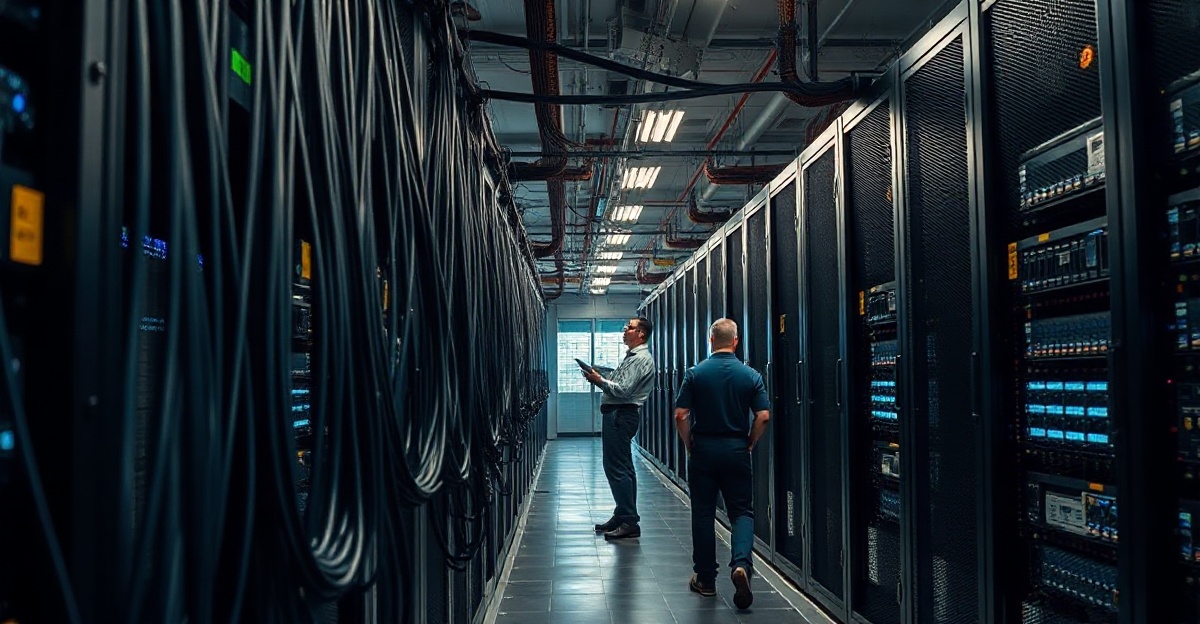
Foxconn And Schneider Target AI Data Center Power Bottleneck
Foxconn and Schneider Electric plan joint AI data center reference architectures, pairing AI rack manufacturing with power, cooling and energy-management systems as production begins later this year.
AI Racks Meet The Power Stack
Foxconn and Schneider Electric are turning AI data center buildout into a joint manufacturing and energy-management problem.
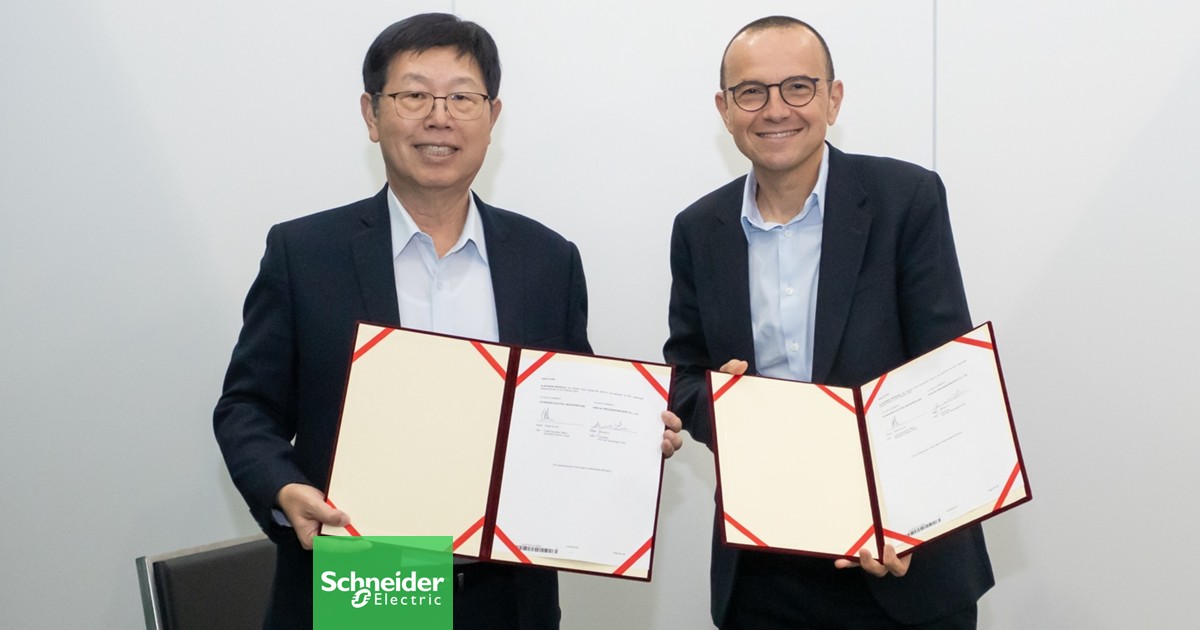
The companies announced a strategic collaboration on June 15, 2026 to develop infrastructure for next-generation AI data centers, with production scheduled to begin later this year.
The pairing is practical.
Foxconn brings advanced compute platforms, AI rack integration and global manufacturing.
Schneider Electric brings power systems, cooling and energy management.
For customers trying to deploy AI capacity across regions, the promised product is not a single server or facility design but an integrated package that can be repeated more predictably.
Reference Designs Become The Core Product
The collaboration centers on next-generation reference architectures for AI data centers.
Foxconn and Schneider Electric also plan to examine closed-loop energy optimization, modular power and cooling skids, and standardized design frameworks.
That list points to one of the hardest constraints in AI infrastructure: the equipment around the accelerator rack.
AI factories need compute, but they also need reliable power distribution, heat removal and digital controls that can keep dense systems operating.
A reference architecture gives customers a template before they commit to site-specific engineering.
The production plan also shows why modular systems are central to the announcement.
Power and cooling skids can be manufactured, tested and repeated more easily than bespoke room-level designs, which is useful when AI capacity has to be added in more than one region.
Two Supply Chains Are Being Joined
Young Liu, chairman of Foxconn, framed the partnership around a new model for designing, building and delivering infrastructure as AI evolves.
His statement tied Foxconn's AI systems and manufacturing base to Schneider Electric's power and energy expertise.
Olivier Blum, Schneider Electric's CEO, put the emphasis on energy.
He said AI demand is accelerating and that compute growth makes energy a fundamental enabler.
In his description, integrated power, cooling and digital capabilities are part of building more efficient AI factories rather than separate building-services decisions made after the compute plan is fixed.
Why The Company Profiles Matter
The supplier mix matters because both sides already sit inside large-scale infrastructure supply chains.
Foxconn describes itself as the world's largest electronics manufacturer and a leading technology solutions provider.
It ranked 28th in the Fortune Global 500, and its 2025 revenue totaled TWD8.1 trillion, approximately USD260 billion.
Schneider Electric adds the energy-technology side of the equation.
The company says its systems support buildings, data centers, factories, infrastructure and grids as connected ecosystems.
It also cites 160,000 employees and one million partners in over 100 countries, giving the collaboration a channel that can reach more than one geography or customer class.
The Checkpoint Is Production Timing
The concrete watchpoint is production later this year.
Until then, the collaboration shows direction more than customer adoption: the companies have named the architecture areas, executive rationale and infrastructure components, but they have not disclosed customer names, site locations or order volumes.
For AI data center buyers, the test will be whether the joint designs shorten deployment cycles without creating new lock-in around power and cooling decisions.
The first proof should come when Foxconn and Schneider Electric move from reference architecture language to production-ready systems and named deployments.