LEAP East Turns Gulf-Asia AI Capital Flows Into A Technology Corridor Test
The Hong Kong debut of LEAP East puts Saudi Arabia’s technology-event platform between Gulf sovereign capital and Asian AI, digital infrastructure and manufacturing companies.
Gulf Capital Meets Asian Technology In Hong Kong
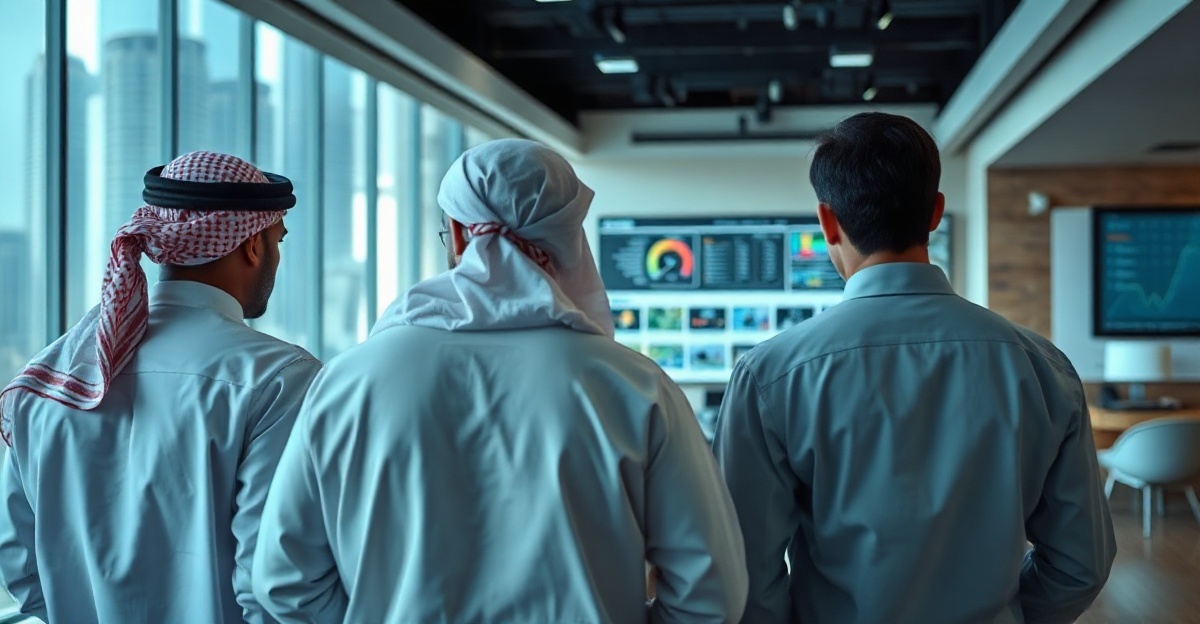
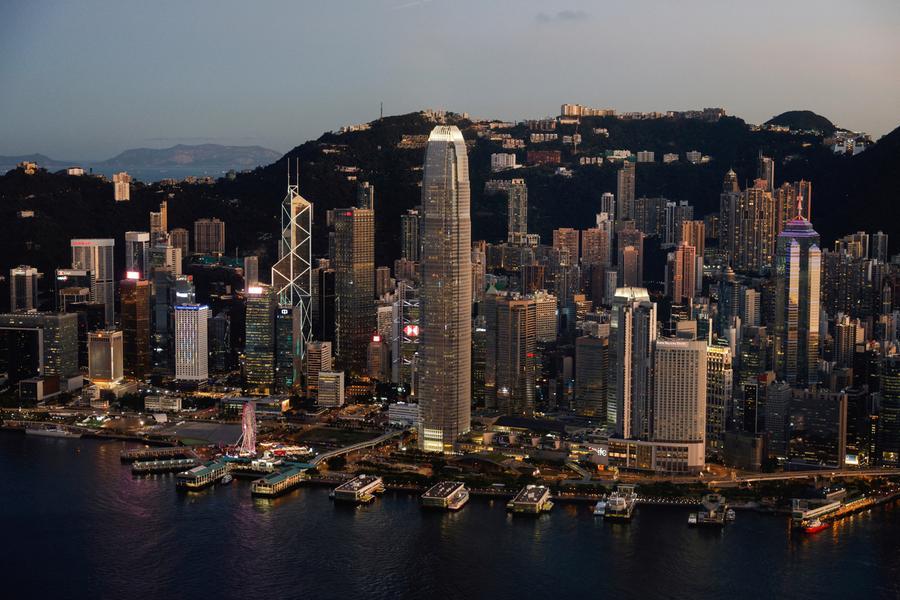
LEAP East is set to debut in Hong Kong on July 8-10, giving Saudi Arabia’s flagship technology-event platform a direct Asia venue for artificial intelligence, digital infrastructure and advanced manufacturing partnerships.
The event is being positioned around a corridor that links Gulf sovereign capital with Asian technology companies looking for market access, customers and localisation routes.
The setup is more than a conference expansion.
Tahaluf, the Saudi-based organiser behind LEAP Riyadh, is using Hong Kong to connect Gulf investors with mainland China, the Greater Bay Area, Southeast Asia and other Asia-Pacific markets.
Mike Champion, Tahaluf’s chief executive, framed the relationship as complementary: Gulf economies bring long-term capital and national transformation agendas, while Asia brings manufacturing depth, technology companies and entrepreneurial scale.
That pairing gives the event strategic weight for Gulf technology policy.
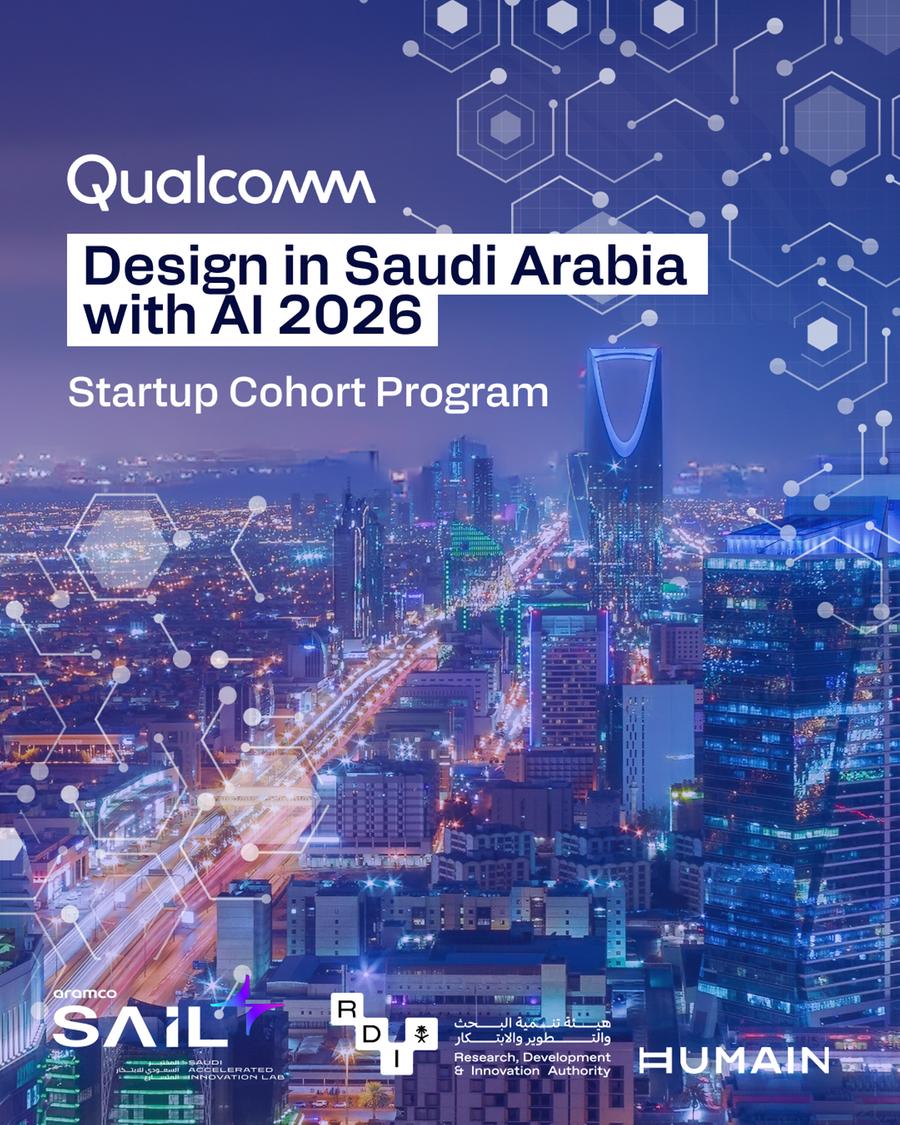
Saudi Arabia and its neighbours are trying to move AI and digital infrastructure from procurement into domestic capability building.
Asian companies, in turn, are increasingly treating the Middle East as a base for manufacturing, logistics and global expansion rather than only a sales region.
The Investment Numbers Explain The Pull
LEAP Riyadh has already become a large deal-signalling venue.
Since its 2022 launch, the Riyadh event has become a venue for more than $44 billion of announced investments.
The 2025 edition accounted for $14.9 billion of that activity and drew more than 201,000 participants.
LEAP East extends that platform into an Asian market where Gulf investors and technology companies are actively searching for more structured routes to each other.
Tahaluf says more than 200 investors managing nearly $2 trillion in assets have confirmed participation.
AI, deep technology, fintech, smart cities, mobility, healthcare technology and digital infrastructure are among the priority areas.
Those sectors match the Gulf’s need for infrastructure-heavy transformation programmes and Asia’s strengths in hardware, software, robotics, biotech and cross-border finance.
Jessica Wong, founder and managing partner of ewpartners, pointed to a shift in the role of Gulf sovereign wealth funds.
She cited Deloitte data putting GCC sovereign wealth fund assets at roughly $5 trillion.
The same data put global deployment in 2024 at $136 billion, representing more than half of worldwide sovereign wealth fund transactions.
The important change is how that capital is being used: less as distant portfolio allocation and more as a tool for domestic industrial ecosystems.
Localisation Is Replacing Simple Market Entry
The corridor is changing the questions Asian companies ask about the Gulf.
Wong said the discussion has moved from opening a regional office in Dubai to building manufacturing capacity, using Gulf logistics networks and co-investing with sovereign capital.
That shift matters because it links technology investment to factories, supply chains, infrastructure and government-backed demand.
One transaction involves Alat and Lenovo: the Saudi-backed company put $2 billion into the PC maker through a convertible bond agreement linked to a Riyadh manufacturing facility.
Another example is J&T Express, which Wong linked to a major technology-enabled sorting centre in Saudi Arabia.
Both cases treat the Gulf as a strategic operating node, not as a peripheral export destination.
The participant list also shows why LEAP East is not only a capital event.
Around 120 confirmed mainland China and Hong Kong technology companies include Unitree Robotics, DEEP Robotics, Keenon Robotics, HAI Robotics, Zhipu AI, Insilico Medicine, XTransfer, Airwallex and WeLab.
More than 400 exhibitors and more than 200 speakers are expected, along with startups, investors, policymakers and corporate executives.
What To Watch After The Debut
The near-term test is whether LEAP East produces partnerships that survive beyond the event floor.
Annabelle Mander, Tahaluf’s executive vice president, said the intended value is in market-entry discussions, ecosystem connections, partnerships and investments that continue after the conference.
For Gulf economies, the outcome to watch is localisation: whether Asian AI, robotics, fintech, biotech and infrastructure companies commit to production, regional operations or government-linked deployments.
For Asian companies, the question is whether Gulf sovereign capital can become a customer and policy channel as well as an investor.
The event does not prove that every announced discussion will become a durable project.
It does show that the Gulf-Asia technology corridor is moving from broad capital interest into a more operational phase, where AI infrastructure, advanced manufacturing, logistics and digital services are being connected to national transformation plans.