ChatGPT Lockdown Mode Narrows AI Data Exfiltration Paths
OpenAI is rolling out Lockdown Mode for eligible ChatGPT users to reduce data exfiltration risk from prompt injection. The optional setting limits outbound web and tool capabilities, trading some product flexibility for stronger containment around sensitive workflows.
ChatGPT adds a narrower security posture
OpenAI has begun rolling out Lockdown Mode for eligible personal and self-serve ChatGPT Business accounts, giving users an optional setting that reduces the ways ChatGPT can connect to the web or outside services.
The feature is meant for users and organizations handling sensitive information, where data leakage risk can matter more than convenience.
The setting is available to logged-in users across Free, Go, Plus and Pro accounts, as well as self-serve ChatGPT Business plans.
Its central purpose is not to prevent prompt injection attempts from appearing, but to reduce the outbound paths that could let sensitive data leave a session.
Tool limits target exfiltration paths
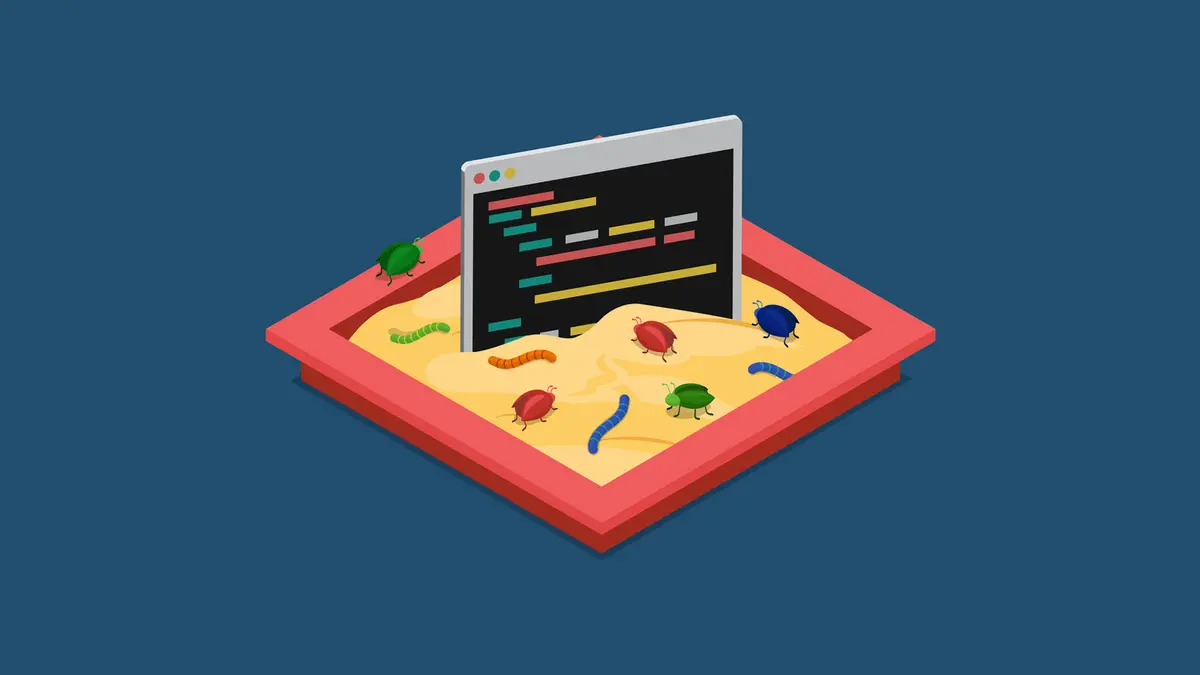
Lockdown Mode builds on sandboxing and existing controls by limiting outbound network requests.
In practice, it restricts live web browsing to cached content, removes image support in regular responses and web retrieval, blocks network access for Canvas-generated code, and prevents file downloads for data analysis.
Those constraints are significant because prompt injection risk often depends on a model being persuaded to send information to an attacker-controlled destination.
By removing or narrowing tools that reach external systems, OpenAI is trading some product utility for a smaller data-exfiltration surface.
Security becomes a product configuration choice
The feature underlines how AI security is moving from back-end filtering alone toward user-visible operating modes.
OpenAI says the setting is not intended for everyone, which makes the trade-off explicit: stronger containment can make ChatGPT less flexible for web, image, code and file workflows.
That matters for enterprises because many employees use AI tools near confidential documents, internal context or customer data.
A lockdown-style control gives security teams a clearer option when the priority is containment rather than maximum feature access.
What to watch next
The next signal is whether similar modes become standard across AI assistants, especially those connected to browsers, coding tools, productivity suites and enterprise data stores.
The practical question is whether users can understand when to enable stricter controls before sensitive workflows begin.
For OpenAI, the feature also shows that prompt injection remains a hard unresolved class of risk for large language models.
Lockdown Mode does not remove the attack category, but it narrows the consequences by reducing outbound channels that an attacker could try to exploit.
Summary version for Medium
ChatGPT Lockdown Mode Narrows AI Data Exfiltration Paths
What the announcement means beyond the headline
Quick Summary: OpenAI is rolling out Lockdown Mode for eligible ChatGPT users to reduce data exfiltration risk from prompt injection. The optional setting limits outbound web and tool capabilities, trading some product flexibility for stronger containment around sensitive workflows.
ChatGPT adds a narrower security posture
OpenAI has begun rolling out Lockdown Mode for eligible personal and self-serve ChatGPT Business accounts, giving users an optional setting that reduces the ways ChatGPT can connect to the web or outside services. The feature is meant for users and organizations handling sensitive information, where data leakage risk can matter more than convenience.
Tool limits target exfiltration paths
Lockdown Mode builds on sandboxing and existing controls by limiting outbound network requests.
- Point 1: The central topic is cybersecurity, with the announcement framed around concrete operating detail.
- Point 2: In practice, it restricts live web browsing to cached content, removes image support in regular responses and web retrieval, blocks network access for Canvas-generated code, and...
Stateful isolation is becoming a first-class cloud primitive, not just an implementation detail.
Security becomes a product configuration choice
The feature underlines how AI security is moving from back-end filtering alone toward user-visible operating modes. OpenAI says the setting is not intended for everyone, which makes the trade-off explicit: stronger containment can make ChatGPT less flexible for web, image, code and file workflows.
Read the Full Deep Dive
Want to explore the complete technical analysis, enterprise trade-offs, and detailed metrics?
Read the full article originally published at SendTech Times