US enforcement in Gulf of Oman stops Gambia-flagged vessel heading toward Iran
US Central Command said a US aircraft stopped the Gambia-flagged M/V Lian Star in the Gulf of Oman after the ship ignored more than 20 warnings. Officials said the crew kept moving toward an Iranian port despite repeated orders, and the vessel can no longer continue the voyage. The action fits a wider blockade effort in which US forces say multiple ships have been disabled and 115 commercial vessels redirected as of May 29.
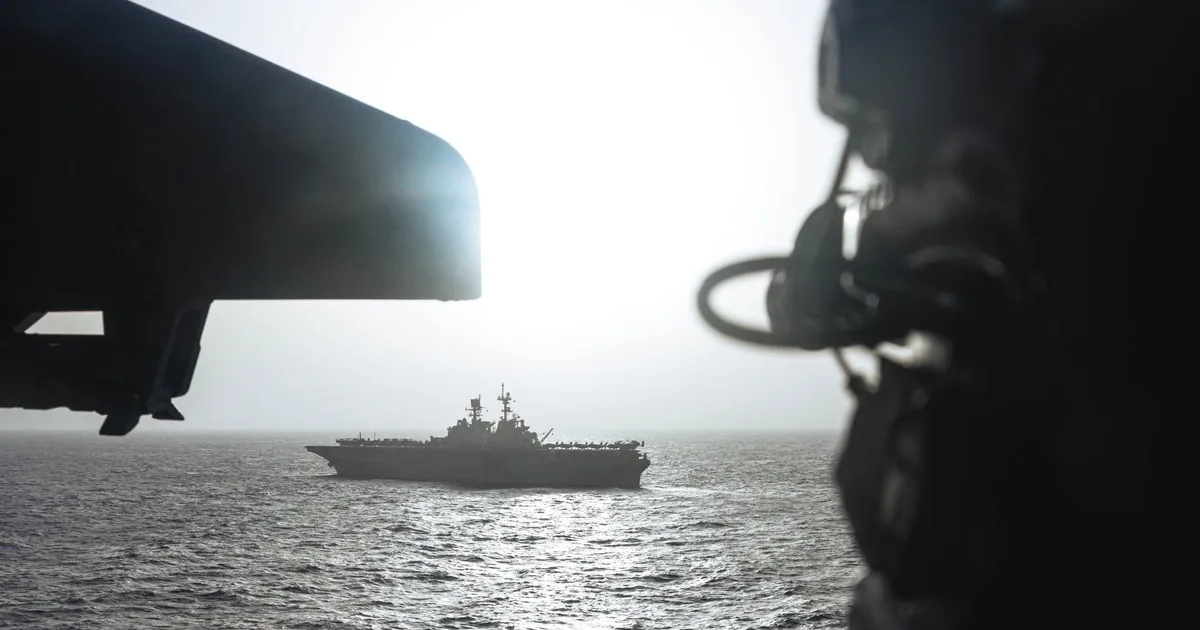
Vessel stopped after repeated warnings
US Central Command said US forces halted a Gambia-flagged commercial ship in the Gulf of Oman after the vessel continued toward an Iranian port despite repeated warnings.
The ship was identified as M/V Lian Star.
According to CENTCOM, the vessel was seen in international waters and was considered to be violating blockade measures tied to Iran.
Officials said the crew received more than 20 warnings but did not change course.
Instead, the ship kept moving toward Iran.
CENTCOM later said a US aircraft disabled the vessel after what it described as repeated non-compliance.
The action ended the ship's transit, and officials said the vessel is no longer able to continue its journey.
The incident comes amid heightened tension around the Strait of Hormuz and the Gulf of Oman, where US forces say they are carrying out ongoing maritime enforcement operations linked to an Iran blockade.
Part of broader blockade enforcement
US officials said the operation involving M/V Lian Star was not an isolated event.
They described it as part of a wider effort to stop commercial shipping from entering or leaving Iranian ports.
CENTCOM said enforcement activity remains active across the Gulf and nearby waters.
Officials added that the broader strategy is aimed at restricting Iranian maritime trade and increasing economic pressure.
The latest vessel action fits that larger campaign.
US forces said they have already disabled multiple commercial ships and redirected hundreds more during operations in the region.
The figures presented by officials suggest an extended effort rather than a single interception.
Scale of the ongoing campaign
US forces said blockade enforcement against Iran is continuing, with updated numbers offered to show the scale of the operation.
As of May 29, officials said 115 commercial vessels had been redirected so that no commerce enters or leaves Iranian ports.
That tally was presented alongside the latest action against M/V Lian Star, underscoring how often commercial shipping has been affected during the campaign.
The stated goal remains the same: to block maritime trade linked to Iranian ports.
Officials said these operations have disrupted shipping routes across the region and affected major transit corridors tied to energy flows and other commercial traffic.
The Gulf of Oman and the waters around the Strait of Hormuz remain central to those enforcement efforts.
CENTCOM's account of the latest incident focused on the sequence of warnings, the crew's failure to comply, and the final step taken by the US aircraft.
In that account, the vessel continued toward Iran after more than 20 warnings and was then disabled, ending the voyage.
The M/V Lian Star case therefore stands as another example of the current blockade measures being enforced at sea.
US officials say the campaign is still underway, with ship redirections and other actions continuing as part of the wider effort to prevent trade from moving through Iranian ports.
Summary version for Medium
US enforcement in Gulf of Oman stops Gambia-flagged vessel heading toward Iran
What the announcement means beyond the headline
Quick Summary: US Central Command said a US aircraft stopped the Gambia-flagged M/V Lian Star in the Gulf of Oman after the ship ignored more than 20 warnings. Officials said the crew kept moving toward an Iranian port despite repeated orders, and the vessel can no longer continue the voyage.
Vessel stopped after repeated warnings
US Central Command said US forces halted a Gambia-flagged commercial ship in the Gulf of Oman after the vessel continued toward an Iranian port despite repeated warnings. The ship was identified as M/V Lian Star.
Part of broader blockade enforcement
US officials said the operation involving M/V Lian Star was not an isolated event.
- Point 1: The central topic is politics, with the announcement framed around concrete operating detail.
- Point 2: They described it as part of a wider effort to stop commercial shipping from entering or leaving Iranian ports.
The important shift is not the AI label, but the operating boundary it creates for teams.
Scale of the ongoing campaign
US forces said blockade enforcement against Iran is continuing, with updated numbers offered to show the scale of the operation. As of May 29, officials said 115 commercial vessels had been redirected so that no commerce enters or leaves Iranian ports.
Read the Full Deep Dive
Want to explore the complete technical analysis, enterprise trade-offs, and detailed metrics?
Read the full article originally published at SendTech Times