Fitch Warns Gulf Credit Resilience Is Being Tested by Hormuz Disruption
Fitch says Middle East ratings have largely held, but conflict and Hormuz disruption could still trigger broader downgrades. The agency raised its 2026 Brent assumption to 87 dollars a barrel and warned of a 100 dollar downside case. Banks, airlines, hotels, chemicals and Dubai real estate are key pressure points if the shock lasts longer.

Fitch Ratings says the Gulf has avoided a broad wave of downgrades so far, but the Iran conflict and disruption around the Strait of Hormuz have made regional resilience a live credit test.
The Policy Move
The immediate signal is that Fitch has not yet treated the conflict as a system-wide Gulf credit shock.
No Middle East issuer has been downgraded since the escalation in late February, .
Still, some ratings have been placed on Rating Watch Negative or had outlooks reduced, including Qatar and Ras Al Khaimah.
That creates a narrow distinction for investors.
The region still has buffers, but the agency is warning that a prolonged conflict could turn market uncertainty into broader rating action.
Energy Route Exposure
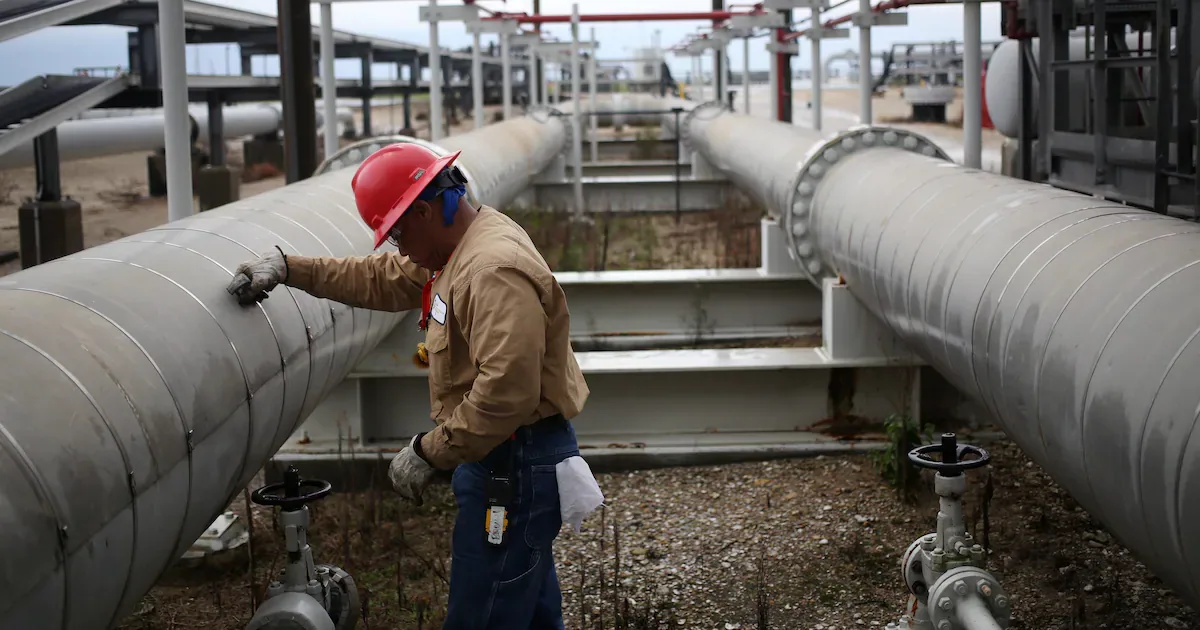
Hormuz is the main economic channel.
Fitch raised its 2026 Brent assumption to 87 dollars a barrel from 70 dollars and said a delayed recovery in shipping flows could push the average near 100 dollars.
The benefit of higher oil prices is not uniform.
Saudi Arabia and the UAE have pipeline routes that can bypass the strait for substantial exports, while Oman is described as the most insulated GCC economy because its exports do not rely on the waterway.
Credit Pressure Points
Fitch identified airlines, hotels, chemicals and homebuilders as exposed sectors because conflict risk can feed into fuel costs, travel demand, feedstock prices and housing investment.
Banks are also vulnerable if borrowers in infrastructure, tourism, aviation, logistics and real estate weaken.
Dubai property is a specific watchpoint.
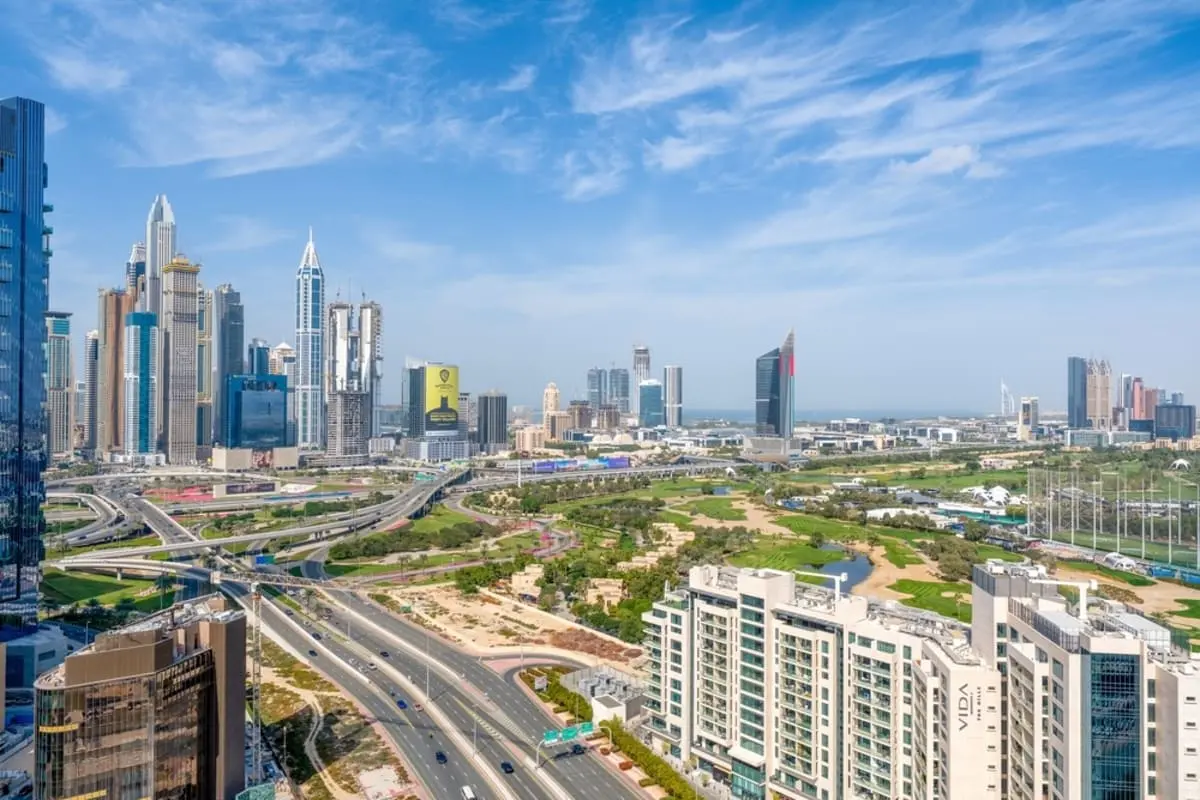
Prices have risen about 60 percent in four years, and Fitch already expected some correction as new supply enters the market.
A longer conflict could deepen that adjustment and increase pressure on banks with real estate exposure.
Strategic Watchpoints
The stabilizer is still sovereign support.
Fitch said government and government-related deposits represent 20 percent to 30 percent of GCC banking deposits, and estimated that about 85 percent of GCC bank ratings and many government-linked corporate ratings depend on sovereign backing.
That support limits immediate contagion, but it also means any sovereign rating action would travel through the wider financial system.
The next watchpoints are the duration of the conflict, reopening of Hormuz, energy flows, inflation, funding conditions and the performance of tourism, aviation, real estate, logistics and banks.
Summary version for Medium
Fitch Warns Gulf Credit Resilience Is Being Tested by Hormuz Disruption
What the announcement means beyond the headline
Quick Summary: Fitch says Middle East ratings have largely held, but conflict and Hormuz disruption could still trigger broader downgrades. The agency raised its 2026 Brent assumption to 87 dollars a barrel and warned of a 100 dollar downside case.
The Policy Move
The immediate signal is that Fitch has not yet treated the conflict as a system-wide Gulf credit shock. No Middle East issuer has been downgraded since the escalation in late February, according to the source.
Energy Route Exposure
Hormuz is the main economic channel.
- Point 1: The central topic is Fitch Ratings, with the announcement framed around concrete operating detail.
- Point 2: Fitch raised its 2026 Brent assumption to 87 dollars a barrel from 70 dollars and said a delayed recovery in shipping flows could push the average near 100 dollars.
The important shift is not the AI label, but the operating boundary it creates for teams.
Credit Pressure Points
Fitch identified airlines, hotels, chemicals and homebuilders as exposed sectors because conflict risk can feed into fuel costs, travel demand, feedstock prices and housing investment. Banks are also vulnerable if borrowers in infrastructure, tourism, aviation, logistics and real estate weaken.
Read the Full Deep Dive
Want to explore the complete technical analysis, enterprise trade-offs, and detailed metrics?
Read the full article originally published at SendTech Times