Dubai Hotels Turn to Residents as Tourism Shock Tests Luxury Demand
Dubai luxury hotels are using resident staycation discounts to offset weaker international tourism, but the source shows weekend demand cannot fully replace longer foreign stays.
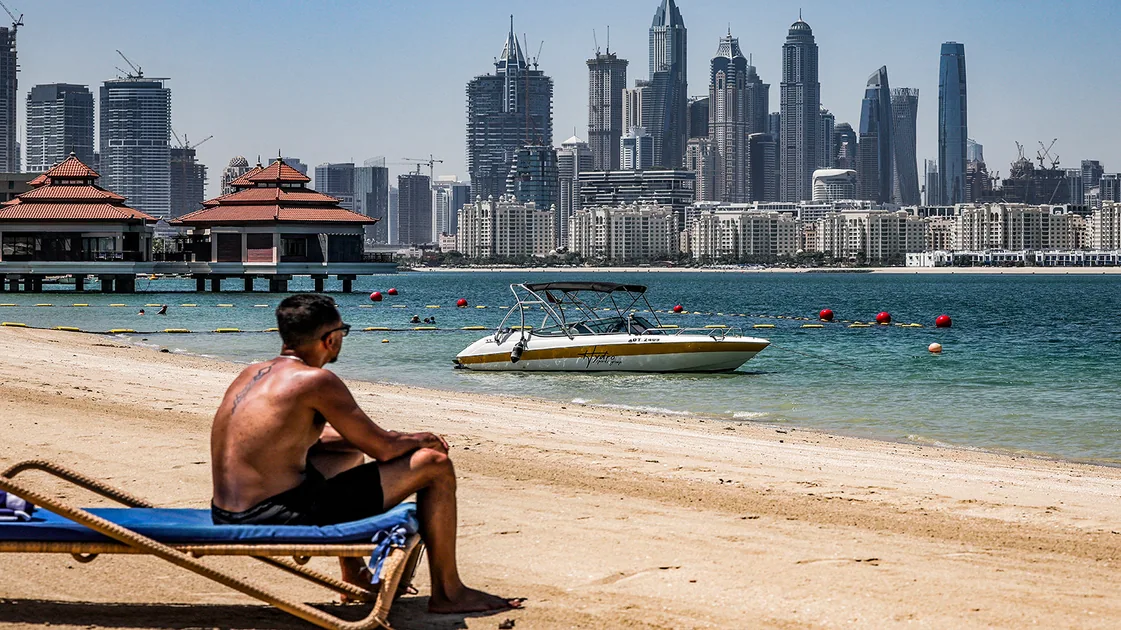
Dubai's luxury hotel market is being tested by a demand mix that looks very different from the emirate's usual international tourism cycle.
High-end properties, including resorts on Palm Jumeirah, are leaning more heavily on UAE residents as regional conflict discourages foreign visitors and lowers occupancy across parts of the hospitality sector.
Local discounts replace part of the visitor pipeline
The immediate shift is toward staycation demand.
Luxury resorts are using reduced resident packages to fill rooms that would normally be sold to overseas travelers.
One Dubai resident said Palm hotel rates had fallen to about a quarter of earlier levels, making a weekend stay possible for the first time.
That discounting is not just a marketing tactic; it is a sign that operators are trying to convert local households into short-term demand while long-haul tourism remains uncertain.
Anantara The Palm Dubai Resort is the clearest operating example.
General manager Michael Robinson said the property has offered discounts of up to 50 percent for UAE residents.
The result is a split operating pattern: weekends can still reach roughly 70 to 90 percent occupancy, while weekdays may fall to about 20 to 30 percent.
That gap matters because it shows domestic demand can support selected nights, but it does not recreate the full-week stays associated with international guests.
Why the pressure matters for Dubai's economy
Dubai's tourism model depends on scale.
The emirate receives about 19.5 million visitors annually and has 827 hotels, including 173 five-star properties.
Those hotels historically operated with average occupancy above 80 percent.
A downturn in high-end travel therefore affects more than room revenue.
It touches staffing, food and beverage spending, transport, retail footfall, and the broader perception of Dubai as a safe luxury and business destination.
The pressure is tied to regional conflict and continuing uncertainty in the Gulf.
A ceasefire allowed some travelers to return, but not enough to remove the sector's dependence on residents.
Hotel operators do not present staycations as a full replacement.
Robinson warned that resident bookings often last only one or two nights, while international travelers previously stayed for about a week.
Who is exposed
The most exposed segment is luxury hospitality, especially properties built around international leisure visitors.
Palm Jumeirah resorts can attract resident demand because they offer a clear staycation product, but downtown hotels tied to business travel appear more vulnerable.
Some properties have reduced staffing or salaries, while hotel workers described temporary pay cuts or unpaid leave.
The summer calendar adds another constraint.
July and August often see expatriate families leave the UAE, which can shrink the local pool that hotels are now trying to target.
If international arrivals remain weak during that period, resident discounts may become less effective just when operators need demand most.
What to watch next
The practical question is whether political de-escalation restores international bookings quickly enough to reduce the need for deep local discounts.
A second signal is weekday occupancy: weekend staycations can keep visible activity high, but sustained recovery would require stronger midweek demand and longer stays.
The next signal is staffing.
If hotels continue restoring salaries and bringing workers back from leave, it would suggest operators believe the demand shock is easing.
If cost cuts persist, Dubai's luxury hospitality sector may remain in a defensive pricing cycle even as residents benefit from access to properties that were previously out of reach.
Summary version for Medium
Dubai Hotels Turn to Residents as Tourism Shock Tests Luxury Demand
What the announcement means beyond the headline
Quick Summary: Dubai luxury hotels are using resident staycation discounts to offset weaker international tourism, but the source shows weekend demand cannot fully replace longer foreign stays.
Local discounts replace part of the visitor pipeline
The immediate shift is toward staycation demand. Luxury resorts are using reduced resident packages to fill rooms that would normally be sold to overseas travelers.
Why the pressure matters for Dubai's economy
Dubai's tourism model depends on scale.
- Point 1: The central topic is Dubai, with the announcement framed around concrete operating detail.
- Point 2: The emirate receives about 19.5 million visitors annually and has 827 hotels, including 173 five-star properties.
The useful takeaway is the operating constraint behind the announcement, not the announcement alone.
Who is exposed
The most exposed segment is luxury hospitality, especially properties built around international leisure visitors. Palm Jumeirah resorts can attract resident demand because they offer a clear staycation product, but downtown hotels tied to business travel appear more vulnerable.
Read the Full Deep Dive
Want to explore the complete technical analysis, enterprise trade-offs, and detailed metrics?
Read the full article originally published at SendTech Times