UAE Retail Forecast Turns AI And Luxury Spending Into A $227 Billion Market Test
The UAE retail sector is forecast to reach $227.1 billion by 2033, while smart retail is projected to grow more than twelvefold as luxury demand, tourism, grocery growth and AI-enabled retail systems reshape the market.
A $227 Billion Retail Target Moves The UAE Story Beyond Mall Traffic
The UAE retail sector is being framed as a $227.1 billion market by 2033, up from $145.3 billion now, with a projected compound annual growth rate of 5.1 per cent.
That forecast, attributed in the source material to a strategic assessment by the InterRegional for Strategic Analysis, turns a familiar Dubai shopping narrative into a broader consumer-economy thesis.
The more aggressive figure sits in smart retail.
The market for technology-enabled retail is expected to rise from about $810 million to $9.74 billion by 2033, implying annual growth of 32.2 per cent as retailers deploy artificial intelligence, automation, predictive analytics, cashier-less checkout systems, inventory tools and personalised customer experiences.
Those numbers matter because they separate the UAE retail expansion from a simple tourism rebound.
The underlying drivers include consumer spending, record tourism inflows, population growth, rising disposable incomes and continued investment in premium retail infrastructure.
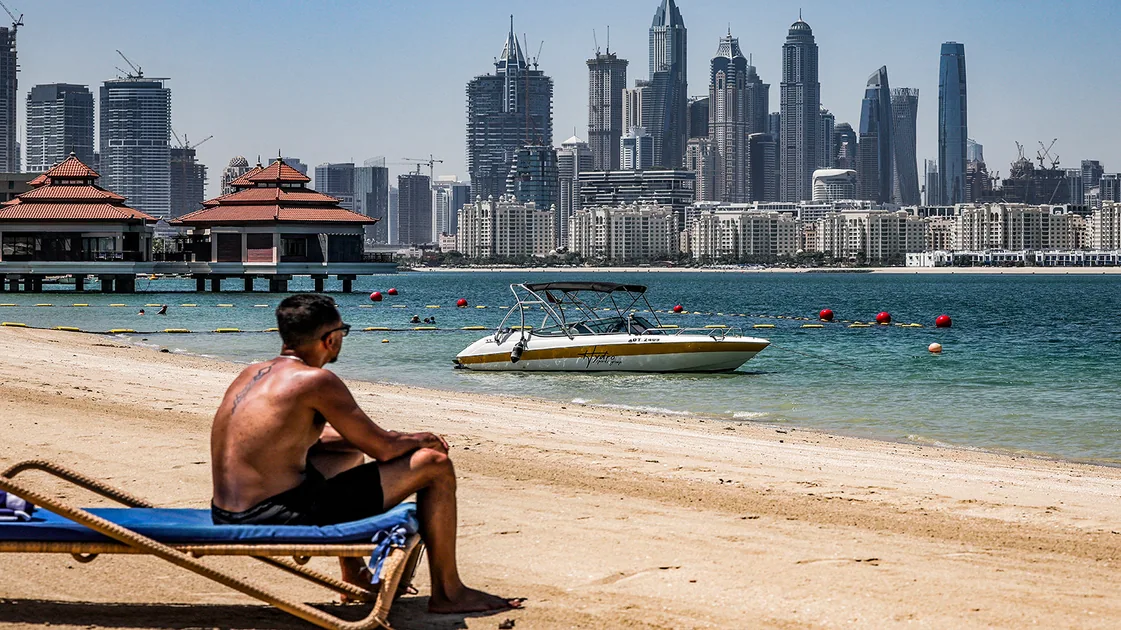
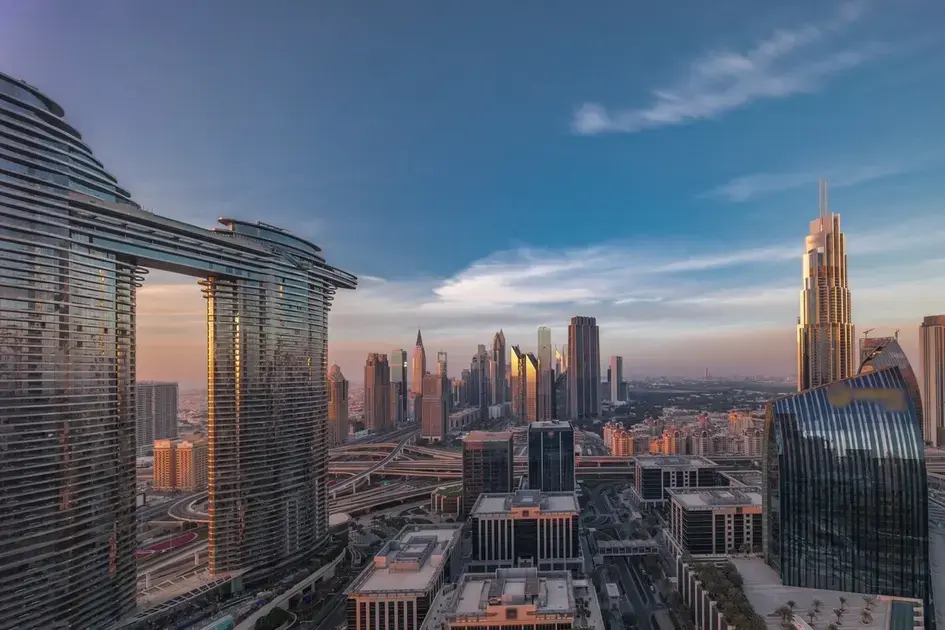
Dubai is already described as one of the largest retail markets globally, while Fashion Avenue at Dubai Mall ranks 11th worldwide for luxury retail rents in a separate Cushman and Wakefield reference material.
Luxury, Tourism And Grocery Growth Pull In Different Directions
The sector is not growing through a single category.
Luxury remains one of the most visible pillars.
In that segment, the UAE luxury goods market is forecast at $11.86 billion by 2031 after a $8.5 billion level in 2025, with the growth path stated as a 5.7 per cent CAGR.
The source material links that demand to high-net-worth individuals, tourist arrivals, premium retail space and the UAE positioning as a luxury shopping and lifestyle destination.
Fashion and apparel remain the largest retail category, accounting for 21.6 per cent of the UAE e-commerce market.
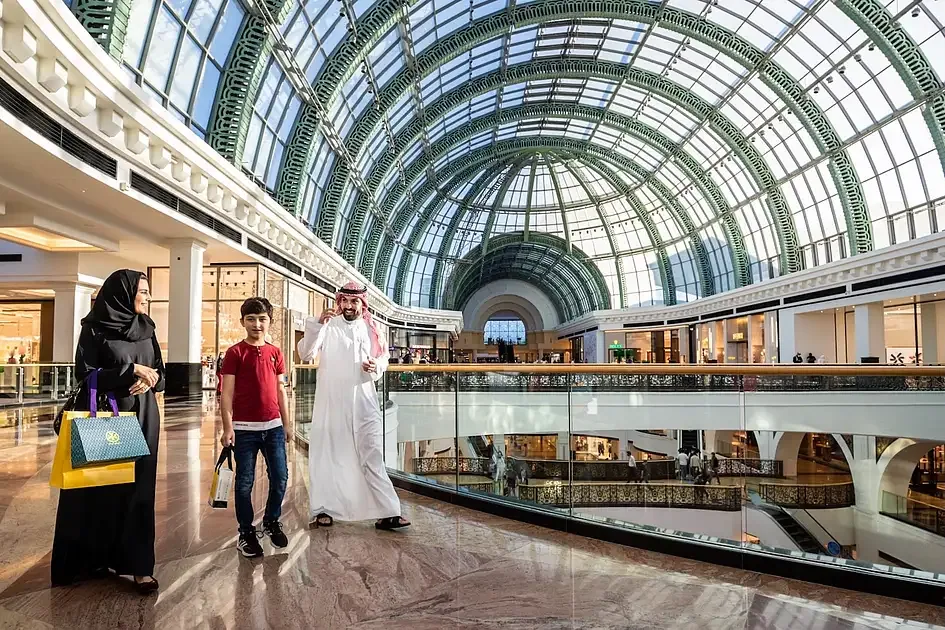
Flagship retail destinations named in the source material include Dubai Mall, Mall of the Emirates and Yas Mall, all of which support the country role as a high-end brand platform for the wider Gulf market.
Grocery and supermarkets point to a different growth engine.
That segment carries one of the strongest growth rates in the source figures: more than 13 per cent annually.
Population expansion, urbanisation and changing consumer habits are supporting hypermarkets, convenience formats and online grocery services.
Electronics and smart devices add another demand line, from smartphones and wearables to smart home systems and AI-enabled devices.
Operators Are Turning Retail Into A Data And Experience Business
The retail operators named in the source material show how the market is shifting from store count to customer data, digital integration and brand portfolio depth.
Majid Al Futtaim, the developer of Mall of the Emirates and regional Carrefour operator, is strengthening an omnichannel strategy that connects stores with digital platforms and customer analytics.
Lulu Group International is expanding both physical grocery and hypermarket operations and e-commerce sales.
Chalhoub Group is positioned as a major luxury, beauty and fashion player, with customer-management systems and loyalty programmes used to strengthen relationships with affluent consumers.
Apparel Group and Al Tayer Group are expanding international brand portfolios across the UAE and the wider GCC.
This matters for investors and global brands because the UAE market is being presented as a combined retail, hospitality, tourism and technology platform.
Shopping centres are evolving into lifestyle, entertainment and experiential venues rather than operating only as transaction spaces.
Mixed-use developments in Dubai and Abu Dhabi are designed to combine shopping, dining, leisure, wellness and entertainment, which can increase visitor dwell time and consumer spending.
Execution Across Physical And Digital Channels Is The Test
The forecast depends on more than luxury footfall.
The source material identifies strong population growth, expatriate inflows, household incomes, tourism targets, logistics infrastructure and the UAE geographic position between the Middle East, Africa and South Asia as support for both physical and digital retail channels.
The operational test is whether retailers can convert those advantages into profitable technology adoption.
Smart retail growth of more than twelvefold by 2033 would require retailers to implement AI, machine learning, automated inventory management and personalised engagement at scale, not only in flagship malls.
The source-backed conclusion is clear enough: the UAE retail market is no longer being measured only by shopping traffic, but by how successfully luxury, technology, tourism and consumer experience can operate as one market system.
Summary version for Medium
UAE Retail Forecast Turns AI And Luxury Spending Into A $227 Billion Market Test
What the announcement means beyond the headline
Quick Summary: The UAE retail sector is forecast to reach $227.1 billion by 2033, while smart retail is projected to grow more than twelvefold as luxury demand, tourism, grocery growth and AI-enabled retail systems reshape the market.
A $227 Billion Retail Target Moves The UAE Story Beyond Mall Traffic
The UAE retail sector is being framed as a $227.1 billion market by 2033, up from $145.3 billion now, with a projected compound annual growth rate of 5.1 per cent. That forecast, attributed in the source material to a strategic assessment by the InterRegional for Strategic Analysis, turns a familiar Dubai shopping narrative into a broader consumer-economy thesis.
Luxury, Tourism And Grocery Growth Pull In Different Directions
The sector is not growing through a single category.
- Point 1: The central topic is UAE retail, with the announcement framed around concrete operating detail.
- Point 2: Luxury remains one of the most visible pillars.
AI deployments now depend on where models, data, approvals and operating teams meet.
Operators Are Turning Retail Into A Data And Experience Business
The retail operators named in the source material show how the market is shifting from store count to customer data, digital integration and brand portfolio depth. Majid Al Futtaim, the developer of Mall of the Emirates and regional Carrefour operator, is strengthening an omnichannel strategy that connects stores with digital platforms and customer analytics.
Read the Full Deep Dive
Want to explore the complete technical analysis, enterprise trade-offs, and detailed metrics?
Read the full article originally published at SendTech Times