Acronis Targets Japan Post-VMware Cloud Gap With Partner-Led HCI Push
Acronis Japan introduced Acronis Cyber Frame, an HCI-based IaaS platform aimed at service providers and hosting partners. The move is positioned around demand for VMware alternatives, data sovereignty, local hosting options and stronger managed security services. Acronis also outlined AI automation, MDR, identity-threat detection and GenAI protection plans for Japanese partners and mid-market customers.
The Infrastructure Signal
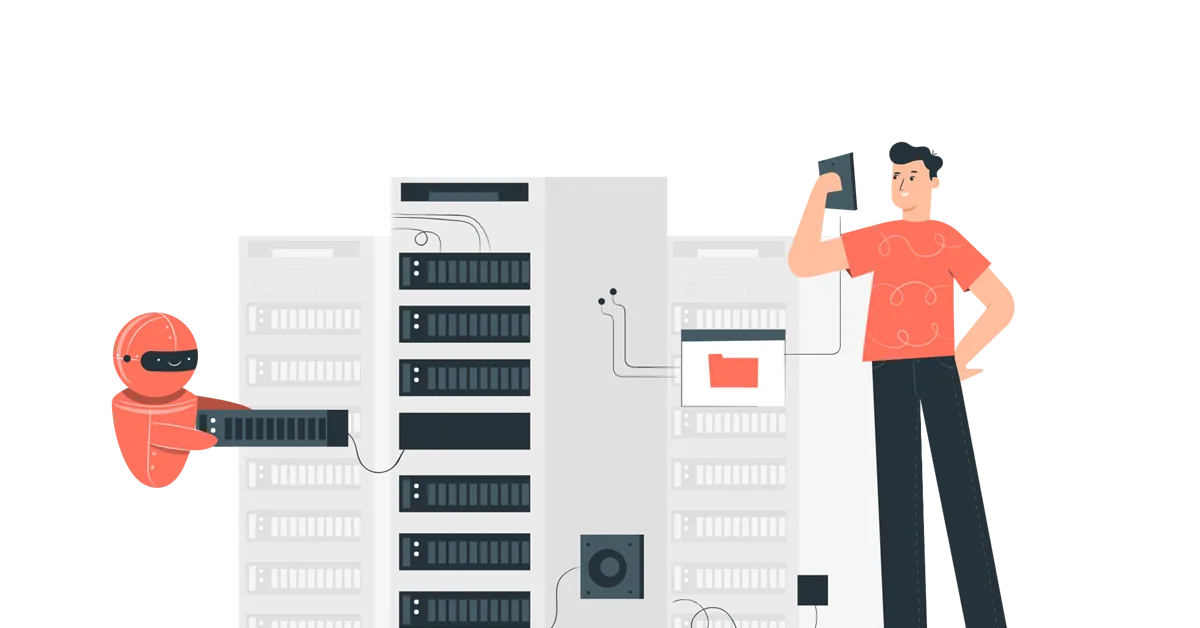
Acronis Japan is moving beyond backup and cyber protection with Acronis Cyber Frame, a hyperconverged infrastructure platform for service providers.
At a May 20 strategy briefing, the company described the product as an IaaS base that combines backup, restore, disaster recovery, automated operations and cybersecurity.
The launch targets a clear market opening.
Japan's hosting and managed-service providers are reassessing VMware-based private cloud plans after Broadcom's acquisition.
Acronis says many partners need an alternative that lets them host customer workloads locally without building every infrastructure layer themselves or sending mid-market customers straight to hyperscale public clouds.
Partner Economics
Cyber Frame has two models.
Cyber Frame Cloud is hosted by Acronis across more than 50 data centers worldwide, including two in Japan.
Cyber Frame Local lets hosting companies and service providers control service design, pricing and integration with their own offerings.
That structure is meant to protect partner economics.
Service providers can use Cyber Frame as the IaaS foundation, then add applications, support, security services and local compliance features.
The pitch is strongest where customers want data sovereignty, predictable operations and a private-cloud path that still leaves room for local managed-service revenue.
Security Becomes Part Of The Stack
Acronis tied the infrastructure launch to a broader security roadmap.
The company said Acronis Cyber Protect Cloud already follows the NIST Cybersecurity Framework through a single management console.
It also plans to support Japan's planned supply-chain security assessment system, known as SCS, and said it wants to work with more than 500 partners to lift the domestic security baseline.
The roadmap includes endpoint security posture management, AI-assisted incident triage, threat hunting through managed security providers, expanded MDR, dark-web identity checks, email-security MDR and identity threat detection and response using correlated logs from SaaS, firewalls, VPNs and other systems.
AI Automation And Risk Control
Acronis said its products already include 25 AI scenarios, including health monitoring and faster recovery of encrypted data.
Future additions include LLM-assisted support workflows, Acronis Cyber Console in the third quarter of 2026, AI scoring for safer patching, AI Deploy Pilot, AI-assisted remote access and Acronis Cyber Intelligence for operational insight.
The company also flagged the risk side of enterprise AI.
Acronis GenAI Protection is planned to monitor generative AI use, enforce policies and block cases where confidential information is entered against policy.
The key test is whether partners treat Cyber Frame as a credible cloud infrastructure platform, rather than only an extension of backup and security tools.
Summary version for Medium
Acronis Targets Japan Post-VMware Cloud Gap With Partner-Led HCI Push
Why Acronis Targets Japan Post-VMware matter now for cloud infrastructure teams
Quick Summary: Acronis Japan introduced Acronis Cyber Frame, an HCI-based IaaS platform aimed at service providers and hosting partners. The move is positioned around demand for VMware alternatives, data sovereignty, local hosting options and stronger managed security services.
The Infrastructure Signal
Acronis Japan is moving beyond backup and cyber protection with Acronis Cyber Frame, a hyperconverged infrastructure platform for service providers. At a May 20 strategy briefing, the company described the product as an IaaS base that combines backup, restore, disaster recovery, automated operations and cybersecurity.
Partner Economics
Cyber Frame has two models.
- Point 1: The central topic is Acronis, with the announcement framed around concrete operating detail.
- Point 2: Cyber Frame Cloud is hosted by Acronis across more than 50 data centers worldwide, including two in Japan.
The important shift is not the AI label, but the operating boundary it creates for teams.
Security Becomes Part Of The Stack
Acronis tied the infrastructure launch to a broader security roadmap. The company said Acronis Cyber Protect Cloud already follows the NIST Cybersecurity Framework through a single management console.
Read the Full Deep Dive
Want to explore the complete technical analysis, enterprise trade-offs, and detailed metrics?
Read the full article originally published at SendTech Times