Corning’s Fiber Deals Put AI Data Centers On A Connectivity Clock
Corning’s optical-fiber deals with Amazon, Meta and Nvidia show how AI data-center growth is turning connectivity supply into a strategic capacity issue for hyperscalers.

Corning Moves From Fiber Supplier To AI Infrastructure Gatekeeper
Corning is turning a run of hyperscaler agreements into a stronger position inside AI data-center supply chains.
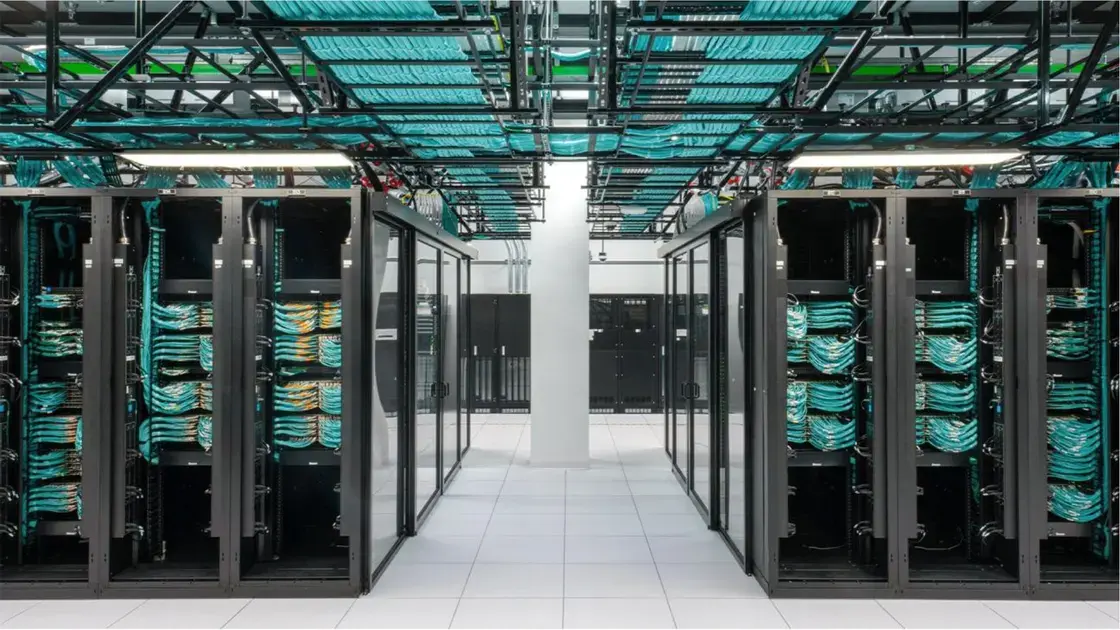
The company has disclosed major optical-fiber and connectivity work with Meta, Nvidia and Amazon, placing its cable, fiber and interconnect products closer to the capacity planning behind large AI clusters.
The newest anchor is Amazon’s multibillion-dollar agreement for optical fiber, cable and connectivity solutions tied to its expanding U.S. data-center infrastructure.
That deal is expected to support 1,000 new jobs at Corning’s North Carolina manufacturing facilities, alongside construction work to expand production capacity.
This is not only a component-supply story.
AI infrastructure spending is pushing bottlenecks beyond GPUs and servers into the physical network layer that moves data inside and between facilities.
For hyperscalers, long-term fiber access is becoming part of capacity security.
Meta And Nvidia Make The Pattern Harder To Ignore
Amazon follows two other customer announcements that give Corning a wider AI-infrastructure footprint.
Meta’s January agreement with Corning is valued at up to $6 billion and supports advanced U.S. data-center construction.
Under that arrangement, Corning is providing fiber, cable and connectivity products and is adding North Carolina manufacturing capacity, including at its Hickory optical cable facility.
Nvidia has also announced a long-term partnership with Corning focused on U.S.-based manufacturing of optical connectivity solutions for AI infrastructure.
Corning said these agreements point to long-term sustainable growth and increased capacity.
The company has also upgraded its Springboard plan; the target attached to that plan is a $30 billion annualized sales run rate, with end of 2028 set as the timing marker.
Optical Links Become A Strategic Constraint
The technical issue is latency, density and power efficiency.
Corning highlighted co-packaged optics and near-packaged optics as opportunity areas, saying co-packaged optics can support higher speeds, greater density and lower latency while improving system power efficiency.
The company said it is working with partners including Nvidia on components for co-packaged optics technology.
Dell’Oro Group’s Jimmy Yu framed Amazon’s agreement as evidence that hyperscalers are securing optical-fiber supply for the future.
He said the agreements are not limited to the current procurement cycle but extend across multiple years, because companies such as Amazon need core technologies that allow them to continue building AI data centers.
The Watchpoint Is Manufacturing Follow-Through
The next test is whether the announced agreements translate into visible manufacturing expansion and enough supply for AI clusters that are growing in size and complexity.
Corning says fiber demand is not slowing down anytime soon and that additional agreements are in its pipeline.
For data-center operators, the practical signal is clear: AI capacity planning now reaches deeper into fiber, integrated optics and automation.
The public record still lacks every deployment schedule or facility-level delivery target, so the near-term watchpoint is the pace of North Carolina capacity expansion and whether additional hyperscaler agreements move from pipeline language into named contracts.
Summary version for Medium
Corning’s Fiber Deals Put AI Data Centers On A Connectivity Clock
Why Corning’s Fiber Deals matter now for cloud infrastructure teams
Quick Summary: Corning’s optical-fiber deals with Amazon, Meta and Nvidia show how AI data-center growth is turning connectivity supply into a strategic capacity issue for hyperscalers.
Corning Moves From Fiber Supplier To AI Infrastructure Gatekeeper
Corning is turning a run of hyperscaler agreements into a stronger position inside AI data-center supply chains. The company has disclosed major optical-fiber and connectivity work with Meta, Nvidia and Amazon, placing its cable, fiber and interconnect products closer to the capacity planning behind large AI clusters.
Meta And Nvidia Make The Pattern Harder To Ignore
Amazon follows two other customer announcements that give Corning a wider AI-infrastructure footprint.
- Point 1: The central topic is optical fiber, with the announcement framed around concrete operating detail.
- Point 2: Meta’s January agreement with Corning is valued at up to $6 billion and supports advanced U.S.
AI deployments now depend on where models, data, approvals and operating teams meet.
Optical Links Become A Strategic Constraint
The technical issue is latency, density and power efficiency. Corning highlighted co-packaged optics and near-packaged optics as opportunity areas, saying co-packaged optics can support higher speeds, greater density and lower latency while improving system power efficiency.
Read the Full Deep Dive
Want to explore the complete technical analysis, enterprise trade-offs, and detailed metrics?
Read the full article originally published at SendTech Times