Kodesage Raises $6.6M for AI Legacy-Code Modernization in Regulated Sectors
Kodesage closed a $6.6 million seed round to expand an AI platform for modernizing on-premises legacy software. VentureFriends led the round, with Portfolion participating, as the company targets regulated sectors that keep critical workloads inside controlled environments. The practical question is whether Kodesage can turn code discovery, documentation and conversion automation into named customer deployments across the U.S. and Europe.
Seed Funding for Legacy-Code Modernization
Kodesage has raised $6.6 million in seed funding to expand an artificial intelligence platform built for enterprises that still run mission-critical software on older on-premises systems.
VentureFriends led the round, with Portfolion also participating.
The company said the money will support go-to-market plans in the U.S. and Europe while expanding its engineering and product teams.
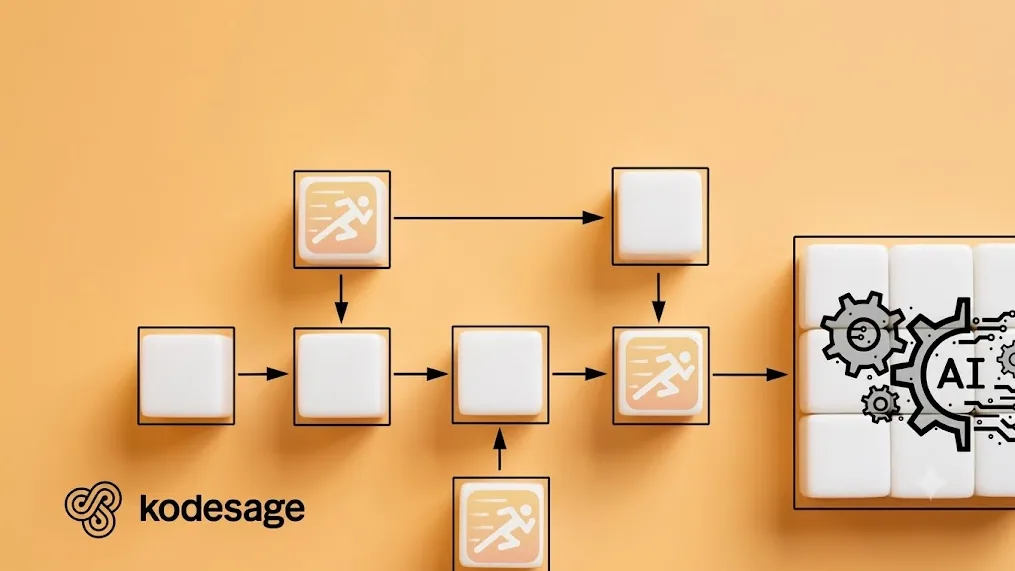
The startup's platform is designed to extract information from complex legacy codebases, maintain documentation and support migration work through context-aware code conversion and automated test development.
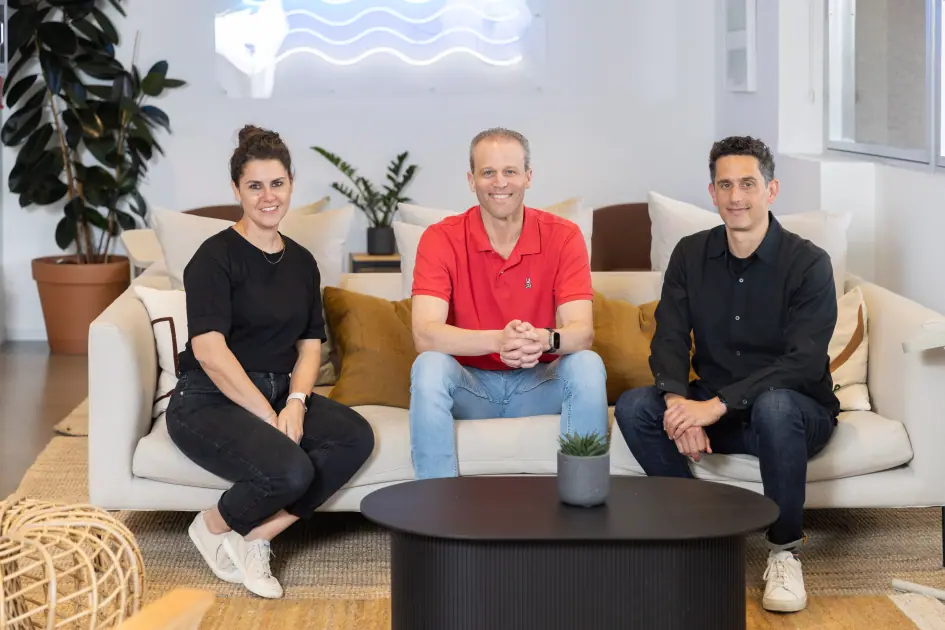
Gergely Dombi, Kodesage's co-founder and Chief Executive, said he built the company with Miklos Szurdi and Gyorgy Szilagyi.
The founders had earlier run a software consulting business of more than 300 people that focused on legacy modernization.
Regulated Workloads Shape the Product Angle
Kodesage is aiming at highly regulated industries including financial services, insurance, healthcare, transportation and energy, where older on-premises applications can remain central to daily operations.
The company's pitch is not only that AI can help translate or rebuild code, but that the work can happen inside the customer's own environment.
The platform can operate on-premises, in virtual private clouds or in fully air-gapped clouds.
That design matters for companies that cannot expose business logic stored in databases to public cloud services for regulatory reasons.
It also gives Kodesage a cost-control argument because the company says customers can avoid modernization costs tied directly to token consumption.
Dombi framed the problem as an operational pressure point for support teams as experienced maintainers retire.
"Software modernization is rarely clean-cut," he said, adding that legacy and new systems can coexist for years while institutional knowledge thins out.
Customer Proof Is the Next Test
Kodesage says its tools can help modernize systems written in PL/SQL, COBOL, PowerBuilder and RPG code, with rebuilt applications moving into more modern programming languages.
Dombi described a longer-term product direction in which enterprise software would help teams learn from systems, propose fixes, test changes and validate outcomes while engineers guide the work.
The funding round does not prove that regulated enterprises will hand over core modernization work to AI systems.
It does show investors backing a more controlled version of enterprise AI adoption, where the value sits in reducing support bottlenecks without moving sensitive software assets into public cloud environments.
VentureFriends Founding Partner Apostolos Apostolakis said many enterprises are struggling to maintain and upgrade on-premises legacy systems.
He said Kodesage is beginning with Oracle applications and can help companies understand and modernize complex undocumented codebases.
The practical question is whether the startup can convert seed-stage funding and regulated-industry positioning into named customer deployments, repeatable modernization projects and clearer proof of cost control as it expands across the U.S. and Europe.
Summary version for Medium
Kodesage Raises $6.6M for AI Legacy-Code Modernization in Regulated Sectors
What the announcement means beyond the headline
Quick Summary: Kodesage closed a $6.6 million seed round to expand an AI platform for modernizing on-premises legacy software. VentureFriends led the round, with Portfolion participating, as the company targets regulated sectors that keep critical workloads inside controlled environments.
Seed Funding for Legacy-Code Modernization
Kodesage has raised $6.6 million in seed funding to expand an artificial intelligence platform built for enterprises that still run mission-critical software on older on-premises systems. VentureFriends led the round, with Portfolion also participating.
Regulated Workloads Shape the Product Angle
Kodesage is aiming at highly regulated industries including financial services, insurance, healthcare, transportation and energy, where older on-premises applications can remain central to daily operations.
- Point 1: The central topic is ai, with the announcement framed around concrete operating detail.
- Point 2: The company's pitch is not only that AI can help translate or rebuild code, but that the work can happen inside the customer's own environment.
AI deployments now depend on where models, data, approvals and operating teams meet.
Customer Proof Is the Next Test
Kodesage says its tools can help modernize systems written in PL/SQL, COBOL, PowerBuilder and RPG code, with rebuilt applications moving into more modern programming languages. Dombi described a longer-term product direction in which enterprise software would help teams learn from systems, propose fixes, test changes and validate outcomes while engineers guide the work.
Read the Full Deep Dive
Want to explore the complete technical analysis, enterprise trade-offs, and detailed metrics?
Read the full article originally published at SendTech Times