Mexico Wins World Cup Opener as South Korea Begins Group A Test
Mexico opened the 2026 FIFA World Cup with a 2-0 win over South Africa, while South Korea’s match against Czechia gave Group A a second first-day test. The opening day puts the expanded 48-team, 104-match format into live competition across three host nations.
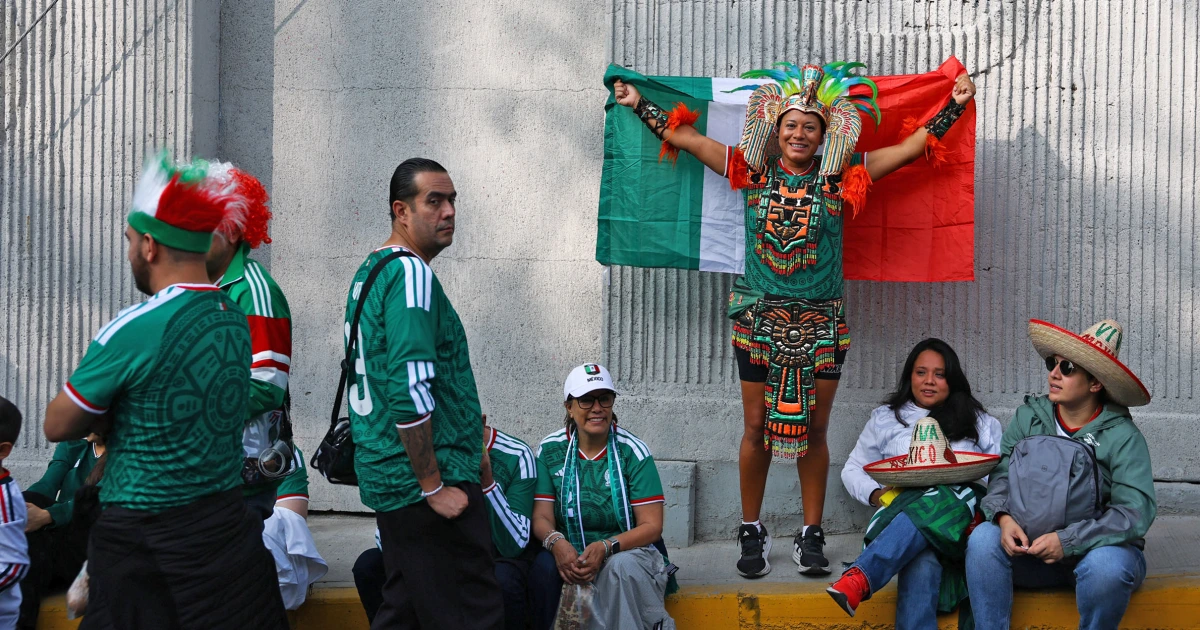
Mexico turns the first match into an immediate host win
The 2026 FIFA World Cup opened with Mexico beating South Africa 2-0, giving one of the co-hosts the first result of the expanded tournament.
Julián Quiñones scored the first goal of the event and Raúl Jiménez added the second, while the match finished with three red cards, two to South Africa and one to Mexico.
The result gives the opening day a clearer sporting line than a ceremony-only kickoff.
Mexico did not just host the first match; it converted the first fixture into three points in Group A. South Africa leave the opener with the scoreline and disciplinary record both working against them.
The tournament now moves from launch spectacle into a much larger operational calendar.
This edition features 48 teams and 104 matches in three host nations, with 32 teams advancing from the group stage to the knockout rounds.
The final is scheduled for July 19 at MetLife Stadium in New Jersey.
South Korea adds the second Group A test
After Mexico’s win, South Korea and Czechia began the day’s second Group A match.
The game was listed for 10 p.m.
ET on Telemundo and Peacock, placing South Korea immediately into the tournament’s first-day spotlight.
Early updates from the match described South Korea creating the first real chance from a corner, with Lee Jae-sung later putting a chance over the crossbar after being set up by Son Heung-min.
Those moments matter because Group A’s first day is not only about Mexico’s home win; it also begins South Korea’s test against a European opponent before the group table has time to settle.
For South Korea, starting on opening day adds visibility and pressure.
A result against Czechia would shape the early race behind Mexico and prevent the group from becoming defined solely by the host country’s first win.
The expanded format changes the opening-day meaning
A 48-team World Cup is not simply a bigger version of the previous format.
The opening day now sits inside a schedule with more teams, more group-stage paths and a wider host footprint.
That makes the early matches useful indicators of how the expanded competition will balance ceremony, travel, broadcast timing and competitive stakes.
Mexico’s 2-0 win supplies the first competitive anchor.
South Korea’s match against Czechia supplies the second one.
Together, they make Group A the first place to watch for whether the larger World Cup produces clear separation or a more crowded qualification race.
The first day still leaves the main questions open
The opener confirms that the tournament is underway and that Mexico has taken early control of its group position.
It also confirms the scale of the 2026 version: 48 teams, 104 matches, three host nations and a knockout field of 32 teams.
It does not yet answer whether the expanded World Cup will improve the quality of play or simply lengthen the calendar.
That answer will depend on how teams outside the favourites handle the group stage, whether travel and scheduling affect performance, and whether early matches like South Korea-Czechia keep the first round competitive beyond the host narrative.
Summary version for Medium
Mexico Wins World Cup Opener as South Korea Begins Group A Test
What the announcement means beyond the headline
Quick Summary: Mexico opened the 2026 FIFA World Cup with a 2-0 win over South Africa, while South Korea’s match against Czechia gave Group A a second first-day test. The opening day puts the expanded 48-team, 104-match format into live competition across three host nations.
Mexico turns the first match into an immediate host win
The 2026 FIFA World Cup opened with Mexico beating South Africa 2-0, giving one of the co-hosts the first result of the expanded tournament. Julián Quiñones scored the first goal of the event and Raúl Jiménez added the second, while the match finished with three red cards, two to South Africa and one to Mexico.
South Korea adds the second Group A test
After Mexico’s win, South Korea and Czechia began the day’s second Group A match.
- Point 1: The central topic is World Cup 2026, with the announcement framed around concrete operating detail.
- Point 2: The game was listed for 10 p.m.
The useful takeaway is the operating constraint behind the announcement, not the announcement alone.
The expanded format changes the opening-day meaning
A 48-team World Cup is not simply a bigger version of the previous format. The opening day now sits inside a schedule with more teams, more group-stage paths and a wider host footprint.
Read the Full Deep Dive
Want to explore the complete technical analysis, enterprise trade-offs, and detailed metrics?
Read the full article originally published at SendTech Times