Reid Hoffman Leaves Microsoft Board As Manus Pulls AI Drug Discovery Into Focus
Reid Hoffman is leaving Microsoft’s board after nearly a decade to focus on Manus, the AI-powered drug discovery startup he co-founded. Manus has raised over $50 million across two seed rounds, with General Catalyst among its backers and Dr. Siddhartha Mukherjee serving as CEO. The next signal is whether Manus can turn Hoffman’s founder focus into source-backed drug discovery milestones beyond early funding and AI positioning.
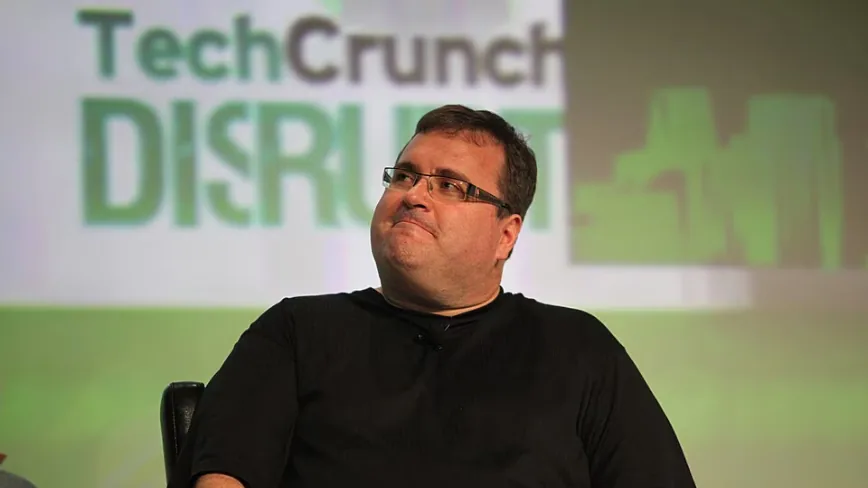
Reid Hoffman is leaving Microsoft’s board after nearly a decade as he shifts attention toward Manus, the AI-powered drug discovery startup he co-founded.
Microsoft Loses A Board Member With Direct AI Startup Exposure
Microsoft said in a Thursday regulatory filing that Hoffman is stepping down from the board.
He is shifting toward Manus, where he holds the title of co-founder and chairman rather than CEO.
The move matters for Microsoft because Hoffman’s board tenure sat alongside several AI-linked relationships around the company.
He joined the board in 2016 after Microsoft’s $26.2 billion LinkedIn acquisition.
In 2019, he was still a director when Microsoft made its initial $1 billion OpenAI investment.
Hoffman was also an early OpenAI investor and remained on its board until 2023.
He left that role citing potential conflicts of interest, and those questions later widened around Microsoft’s $650 million acqui-hire deal with Inflection AI, the startup Hoffman co-founded.
Manus Becomes The Strategic Focus
Manus is the company now taking Hoffman’s attention.
It has secured more than $50 million in two seed financings, and General Catalyst is among the named backers.
Dr. Siddhartha Mukherjee, described as a physician, biologist and Pulitzer Prize-winning author of “The Emperor of All Maladies,” is CEO.
Hoffman said on a recent episode of his “Possible” podcast that Manus is making enough progress to pull him back into a more active founder role.
“I need to get back to founder mode,” Hoffman told Microsoft CEO Satya Nadella during the conversation.
AI Drug Discovery Gets A Governance Signal
Hoffman said Manus is working on what he calls “Move 37” AI, a term borrowed from AlphaGo’s famous move against Lee Sedol and applied here to chemistry and the search for novel compounds to combat cancer.
The broader signal is not only about one board resignation.
It shows how AI drug discovery is becoming a more active focus for investors and company builders who also have ties to major platform companies.
ByteDance’s Anew Labs recently presented its first AI-designed therapy, while Google DeepMind’s Isomorphic Labs has AI-designed drug candidates entering clinical trials.
The next signal is whether Manus can turn its funding and founder attention into drug discovery milestones that are specific enough for partners, regulators or clinical development.
Summary version for Medium
Reid Hoffman Leaves Microsoft Board As Manus Pulls AI Drug Discovery Into Focus
What the announcement means beyond the headline
Quick Summary: Reid Hoffman is leaving Microsoft’s board after nearly a decade to focus on Manus, the AI-powered drug discovery startup he co-founded. Manus has raised over $50 million across two seed rounds, with General Catalyst among its backers and Dr.
Microsoft Loses A Board Member With Direct AI Startup Exposure
Microsoft said in a Thursday regulatory filing that Hoffman is stepping down from the board. He is shifting toward Manus, where he holds the title of co-founder and chairman rather than CEO.
Manus Becomes The Strategic Focus
Manus is the company now taking Hoffman’s attention.
- Point 1: The central topic is drug discovery, with the announcement framed around concrete operating detail.
- Point 2: It has secured more than $50 million in two seed financings, and General Catalyst is among the named backers.
AI deployments now depend on where models, data, approvals and operating teams meet.
AI Drug Discovery Gets A Governance Signal
Hoffman said Manus is working on what he calls “Move 37” AI, a term borrowed from AlphaGo’s famous move against Lee Sedol and applied here to chemistry and the search for novel compounds to combat cancer. The broader signal is not only about one board resignation.
Read the Full Deep Dive
Want to explore the complete technical analysis, enterprise trade-offs, and detailed metrics?
Read the full article originally published at SendTech Times