Saidou's AIVA Tests Whether AI Can Lead Vehicle Design
Saidou Technology unveiled AIVA on June 9, 2026, presenting an AI-defined vehicle brand that starts product planning with AI models before hardware architecture.
AIVA Starts With AI Before The Chassis
Saidou Technology unveiled AIVA on June 9, 2026 as an AI-defined vehicle brand built around a different product sequence: AI first, vehicle hardware second.
The company describes the approach as a development model in which AI studies travel scenarios and data before the chassis is drawn, rather than adding software features after a conventional car design is largely fixed.
That makes AIVA less a normal concept-car announcement and more a test of whether automotive planning can be reorganized around model-led scenario analysis.
The launch event reinforced that positioning by using both human presenters and an AI intelligent entity, but the stronger proof point will be whether the approach produces vehicles with measurable user or manufacturing advantages.
Product Planning Becomes The Core Claim
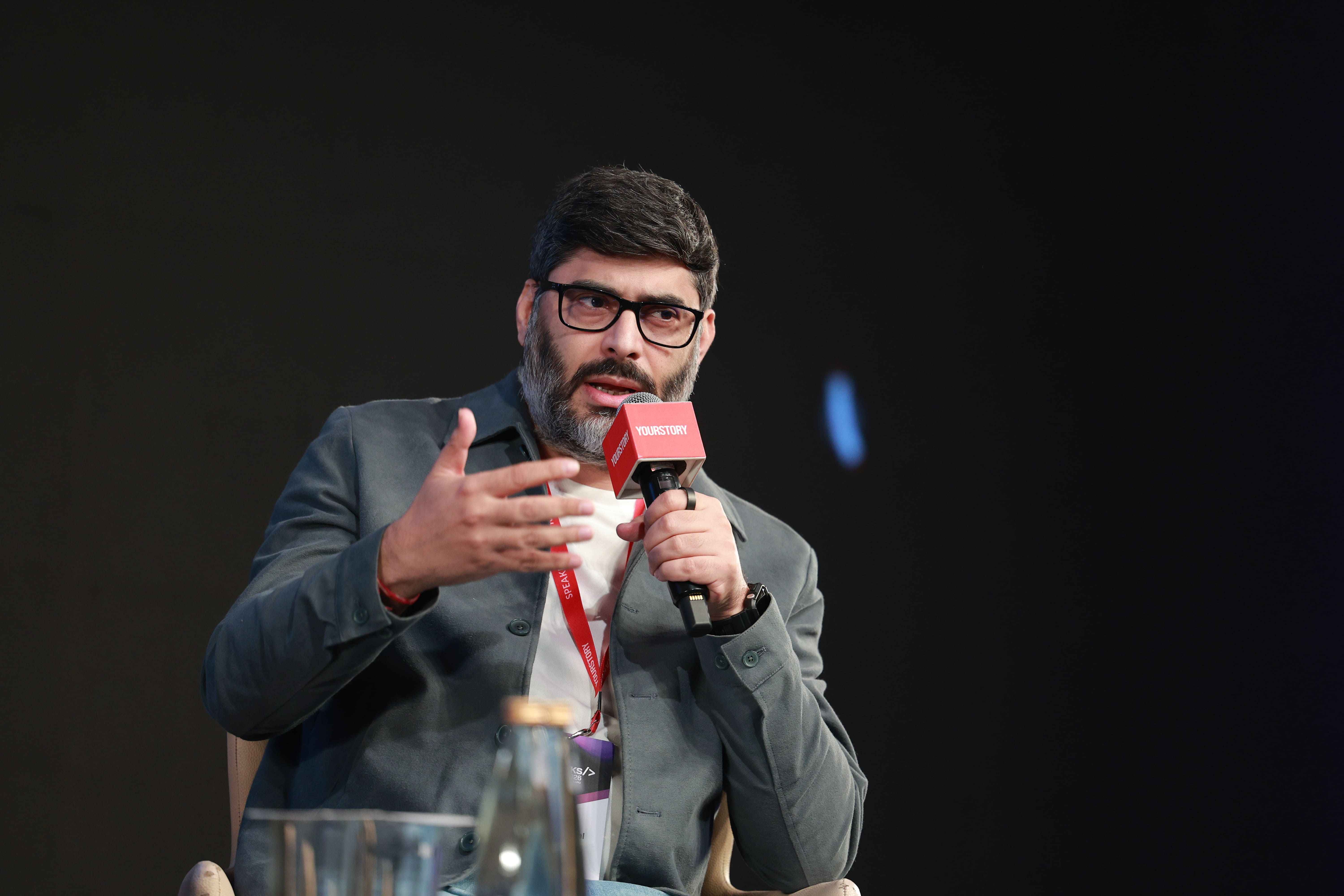
AIVA's stated philosophy is “AI defines the car: first AI, then the vehicle.” Li Bo, AIVA's President and Product Manager, framed the shift as moving from product managers searching for direction to AI mining possible scenarios ahead of human refinement.
The commercial claim is still early.
The available evidence shows a brand launch, a concept vehicle and a description of how product teams may select commercially viable directions from AI-generated scenarios.
It does not yet show customer demand, delivery timing, pricing, manufacturing partners or road-test results.
Origin Concept Shows The Interface Ambition
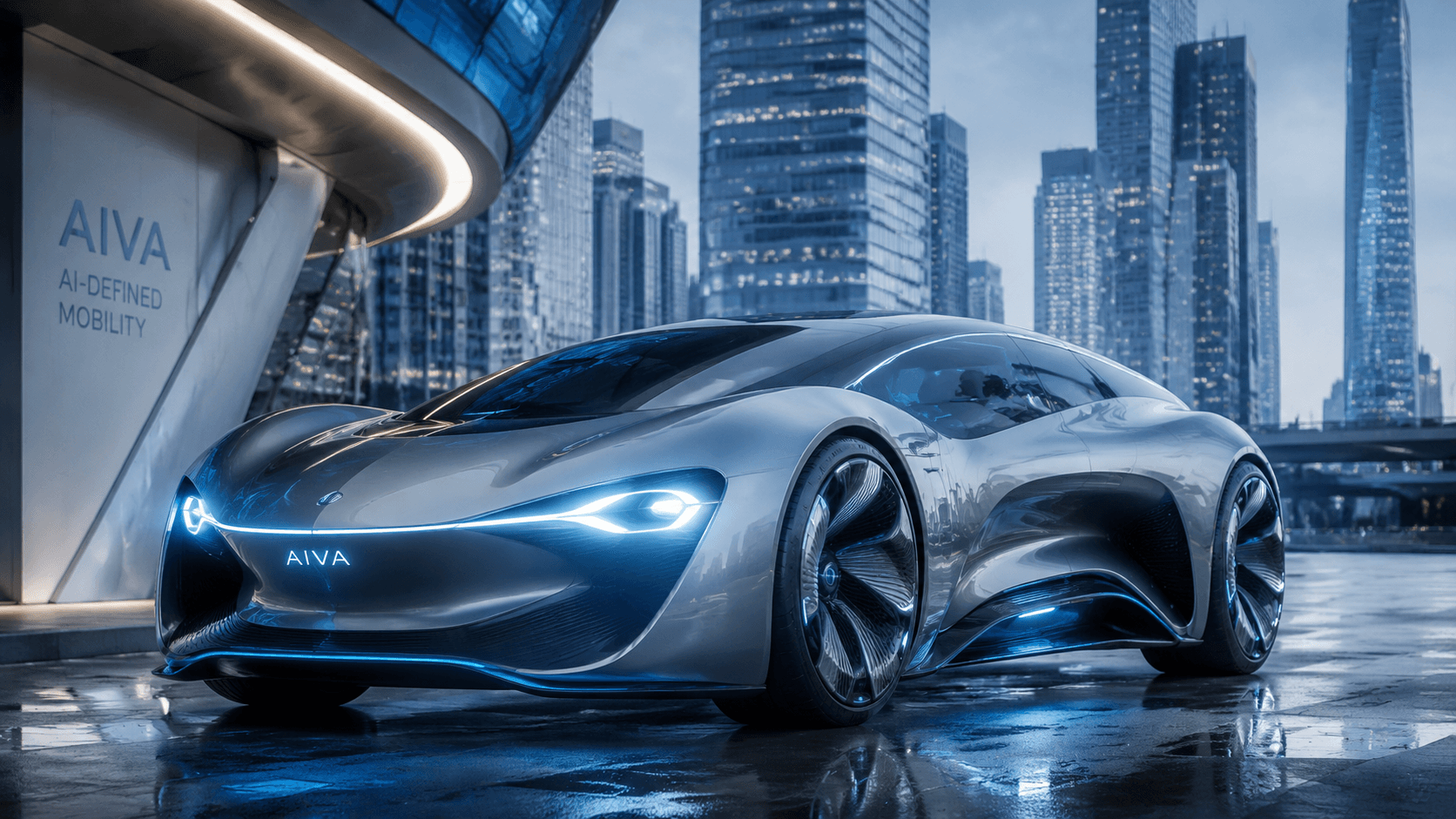
The first concept vehicle is the AIVA Origin Concept.
It uses biomimetic design ideas, G4 continuous curvature surfaces and interactive headlights called “Luminous Eyes,” which are designed to track and greet users as they approach.
Inside the vehicle, AIVA is working with Volcanic Engine, ByteDance's cloud platform.
The described AI system supports always-on, wake-free voice interaction and is meant to understand when to engage and when to stay silent.
One example in the source has the system respond to a hospital trip with low battery by finding a parking lot with charging stations near the hospital, suggesting passenger drop-off first, then parking and charging autonomously.
What Needs Proof Next
The most important unresolved issue is whether AIVA's AI-led development method can move from concept narrative into a deployable car.
The source supports a brand launch, named executives, a concept design and a cloud-platform collaboration.
It does not support claims about production scale, autonomy certification, battery specifications, delivery dates or safety validation.
That limitation matters because the story sits between automotive AI and product strategy.
If Saidou can show working prototypes, user testing or production partnerships, AIVA becomes a stronger signal about AI in vehicle design.
Without that evidence, it remains an ambitious concept for turning the car into an embodied AI interface.